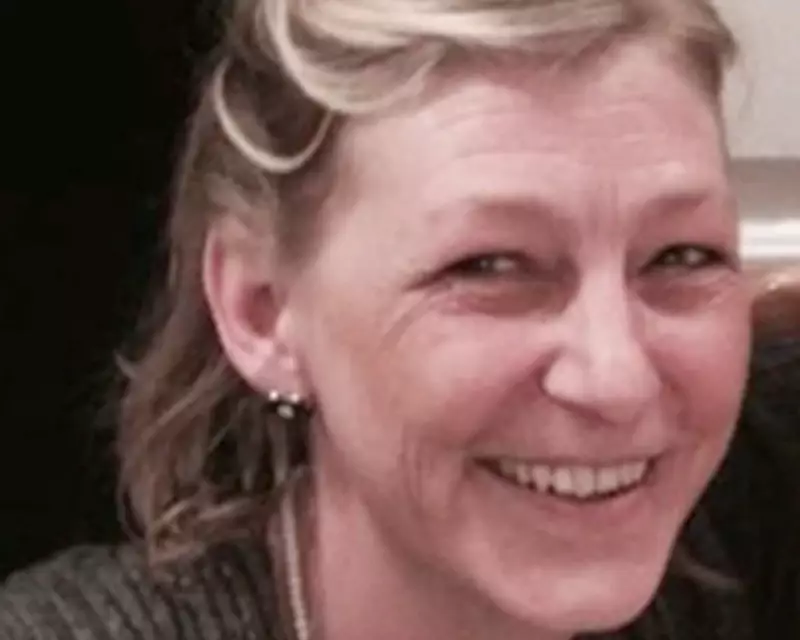
A landmark public inquiry has concluded that Russian President Vladimir Putin is 'morally responsible' for the death of British woman Dawn Sturgess, who was killed by a military-grade nerve agent smuggled into the UK by Russian intelligence operatives.
The Salisbury Attack and a Reckless Discard
The inquiry, chaired by Lord Hughes of Ombersley, found 'overwhelming' evidence that the poisoning of former Russian spy Sergei Skripal and his daughter Yulia in Salisbury in March 2018 was a Russian state attack. The chair stated the assassination attempt, which the Skripals survived, must have been authorised by President Putin.
Lord Hughes detailed how two GRU agents, using the aliases Alexander Petrov and Ruslan Boshirov, applied the novichok nerve agent to the handle of Mr Skripal's front door on 4 March 2018. He concluded they brought the novichok to the UK in a fake Nina Ricci perfume bottle, which was later discarded in Salisbury.

'Deploying a highly toxic nerve agent in a busy city was an astonishingly reckless act,' Lord Hughes said. 'The risk that others beyond the intended target might be killed or injured was entirely foreseeable.'
A Tragic Find in Amesbury
That discarded bottle was found months later by Charlie Rowley in Amesbury, Wiltshire. On 30 June 2018, he gave it to his partner, 44-year-old Dawn Sturgess, who sprayed the substance onto her skin, believing it to be perfume. She died days later from novichok poisoning.
The inquiry chair established a 'clear causative link' between the actions of the Russian operatives and Ms Sturgess's death. 'I conclude that all those involved in the assassination attempt... were morally responsible for Dawn Sturgess's death,' he stated.
Inquiry Findings and Domestic Response
The £8.3 million inquiry, which held public hearings in Salisbury and London in late 2024, also examined the UK's response. While noting some failings in the management of Sergei Skripal as an exchanged prisoner, Lord Hughes said the assessment that he was not at high risk could not be judged unreasonable.
He was satisfied Ms Sturgess received appropriate medical care, noting her condition was 'unsurvivable' from a very early stage due to catastrophic brain injury. However, he criticised Wiltshire Police for initially wrongly characterising her as a drugs user and said training for emergency services on nerve agent symptoms should have been more widely circulated after the Salisbury attack.
Ultimately, the report paints a stark picture of a 'public demonstration of Russian state power' that had devastating, fatal consequences for an entirely innocent British citizen.