A damning public inquiry has concluded that Russian President Vladimir Putin personally authorised the 2018 Salisbury Novichok poisonings, describing the attack as an "astonishingly reckless" public demonstration of Russian power.
The Attack and Its Devastating Consequences
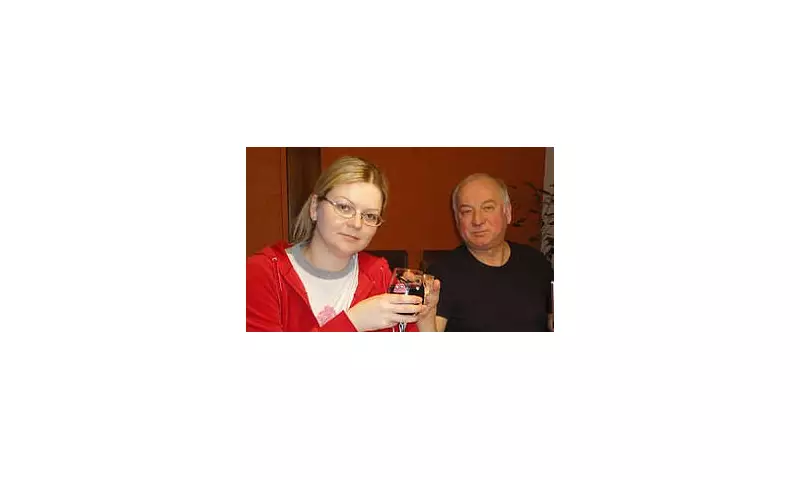
The inquiry, chaired by Lord Hughes of Ombersley, heard that two GRU agents, Alexander Petrov and Ruslan Boshirov, were sent to the Wiltshire city in March 2018. Their mission was to smear the military-grade nerve agent Novichok on the door handle of former Russian spy Sergei Skripal's home. Mr Skripal and his daughter Yulia were later found critically ill on a city centre park bench after touching the poison.
The reckless operation had fatal consequences for an innocent member of the public. Months later, in nearby Amesbury, local man Charlie Rowley found a discarded perfume bottle, which had been used to smuggle the nerve agent into the UK. He gave it to his partner, Dawn Sturgess, who sprayed the substance on her skin and tragically died in hospital on 8 July 2018.

A Message from the Highest Level
Lord Hughes stated unequivocally that the assassination attempt on Sergei Skripal "must have been authorised at the highest level, by President Putin". He dismissed the idea that the attackers acted independently, noting their brazen approach and immediate flight from the country.
The report found the attack was not merely an act of revenge against the former double agent, who had been pardoned and sent to the UK in a 2010 spy swap. Instead, it was a calculated statement to both international and domestic audiences that Russia would act decisively in its own interests, regardless of the collateral risk. Lord Hughes stated the operatives' actions showed "considerable recklessness indeed brazenness".
Security Assessments and Missed Opportunities
The 174-page report, which cost £8.3 million, also examined the security surrounding Mr Skripal. It found that while there was "some risk of harm" from Russia, the assessment that a lethal attack was not likely was "reasonable" at the time. Mr Skripal himself had declined offers of enhanced security, including CCTV and a completely new identity, as he wished to live a normal life.
However, the inquiry hinted at potential failings, noting a lack of regular written risk assessments. Lord Hughes concluded that only extreme measures—complete hiding with a new identity—could have definitively prevented the attack, but such steps were not deemed necessary given the perceived threat level in 2018.
The inquiry placed moral responsibility for Dawn Sturgess's death squarely on Petrov, Boshirov, their GRU superiors, and those who authorised the mission, up to and including President Putin. International arrest warrants have been issued for the suspects, but they are unlikely to face trial in the UK as Russia's constitution forbids the extradition of its citizens. The Kremlin has consistently denied any involvement in the Salisbury poisonings.