
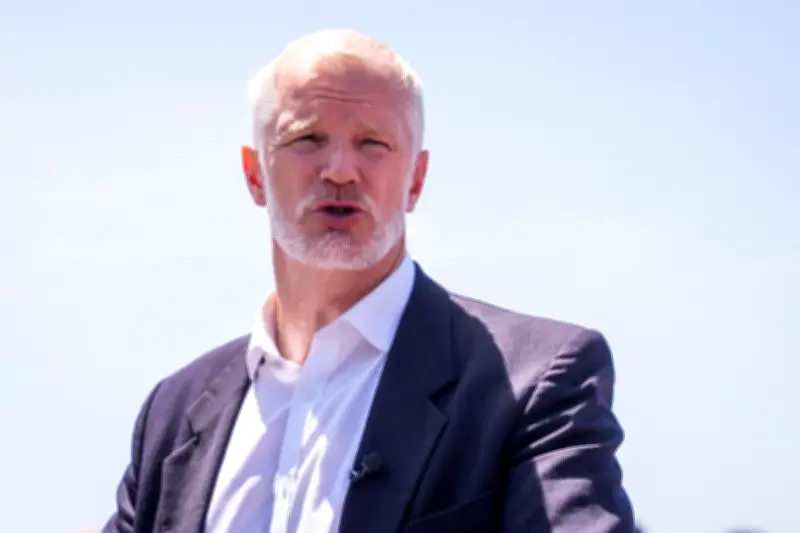
Sir Keir Starmer needs to take “bold and courageous” decisions to properly fund the UK’s defence, former armed forces minister Al Carns said. The Prime Minister’s fragile authority suffered a further blow with the resignation of defence secretary John Healey and Mr Carns over the long-delayed defence investment plan (Dip).
Mr Carns said the plan did not have enough money behind it and was not “transformational” in the way it responds to the challenges of modern warfare as shown by the Ukraine conflict, where drones have become a key factor on the battlefield. The highly-decorated Royal Marines officer who traded his military career for Westminster insisted Sir Keir should stay in place to “steady the ship” but did not rule out a future leadership bid.
The timing of the resignations of Mr Healey and Mr Carns, along with two ministerial aides, comes at a moment of peril for Sir Keir whose premiership has looked precarious since May’s election results across England, Wales and Scotland. Andy Burnham hopes to return to Westminster in next week’s Makerfield by-election and has made no secret of his leadership ambitions, while former health secretary Wes Streeting will also run in any contest.
Mr Carns, viewed as a potential contender, said: “I haven’t even received my P45 from the last job yet and we’ll see what happens in the future.” In his resignation letter on Thursday, Mr Healey said the Prime Minister had been “unable, and the Treasury has been unwilling” to provide adequate funding for the Dip.
Military chiefs have called for around £28 billion over four years, while a figure of around £18 billion had been sought by officials in Whitehall. But the Dip promised just £13.5 billion, of which only £10 billion was extra cash, with defence sources claiming the other £3.5 billion was “Treasury trickery”, likely from expected efficiency savings or cuts.
Mr Carns, who was sidelined from the Dip process, said there were problems with both the level of funding and the type of equipment being bought for the military. He told GB News that the lessons of the war in Ukraine were not being learned. “I want to see a higher percentage for uncrewed systems, AI, data – data is the new gunpowder – and we’ve got to move that forward if we are going to win the next war,” he said.
On funding, he said “the Government needs to move on that” but the defence investment plan was not “transformative enough”. “I understand why No 10 would have pushed back a little bit but I also recognise that No 10 needs to ease and put more money into defence,” he said. “But we have got to buy the right kit, not the wrong kit or legacy systems that will not serve our soldiers, sailors and airmen and women well in the next conflict.”
He told the BBC’s Today: “It is down to the Prime Minister to make his decisions where he wants to prioritise his spending. What I would say is there are two things: we need to have a really honest conversation with the population about the threats that we face, and then we need really bold and courageous decisions to put the funding in the right place.”
He suggested that welfare reform could be used to free up cash, saying he believed the system should offer “hands up, not hand out” while ensuring support for those who need it. “We need to help the people who need the most help within the nation, but also get the balance right across defence. That’s a difficult circle to square, as we’re finding.”
Defence Secretary Dan Jarvis, who went to No 10 for talks with the Prime Minister on Friday morning, now has the challenge of salvaging a Dip which was savaged by his predecessor. Former Parachute Regiment officer Mr Jarvis said it was a “privilege to serve” as he arrived in Downing Street.
The Dip was originally meant to be published in autumn 2025 but the Whitehall battle over funding which ultimately forced Mr Healey out has pushed it back, with a new deadline of July’s summit of Nato leaders. While the Government has committed to spending 3.5% of GDP on defence by 2035, Mr Healey said the plan he was presented with on Monday moved too slowly, with defence spending rising to just 2.68% in 2030 after hitting 2.6% next year. Sources said the deal offered by the Treasury did not put a date on increasing spending to 3%, and had tried to force the MoD to plan to only reach that figure in 2034/35.




