Pearl Harbour's Final Survivors: An Era Ends as Last Witnesses Pass
Pearl Harbour's last survivors: An era ends

A profound shift is occurring in the remembrance of one of the 20th century's defining moments. For the first time in recent memory, no survivors of the 1941 Japanese attack on Pearl Harbour will be present at the annual ceremony in Hawaii, marking the end of an era for firsthand testimony.

The Fading of Living Memory

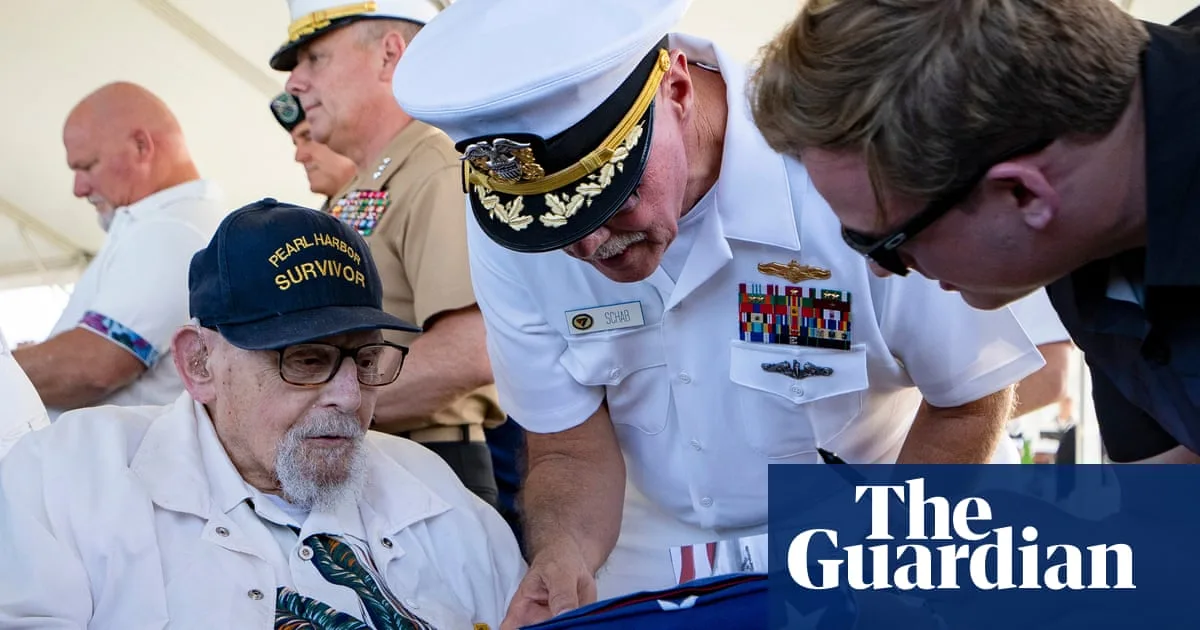
The solemn waterfront ceremony, held each 7th December at the military base, has long centred on the veterans who lived through the assault. This year, however, the last 12 known survivors, all aged over 100, are unable to make the pilgrimage. Among them is 105-year-old Ira "Ike" Schab, whose daughter, Kimberlee Heinrichs, expressed profound sorrow at his absence. "The idea of not having a survivor there for the first time... it hurt my heart in a way I can't describe," she said.

This development underscores a stark demographic reality. From an estimated 87,000 service personnel stationed on Oahu that day, attendance has dwindled from 2,000 at the 50th anniversary in 1991 to just two last year. The attack, which killed more than 2,300 troops and propelled the United States into the Second World War, is now passing from living memory into history.

Preserving Voices for Posterity

Recognising this inevitable transition, historians and institutions have been racing to document survivors' accounts. Retired National Park Service Pearl Harbour historian Daniel Martinez drew a parallel with the loss of Civil War veterans in the early 20th century. He spearheaded efforts to record oral histories, conducting marathon interview sessions. Today, the Park Service holds nearly 800 video interviews, which are shown in the Pearl Harbour museum.

Similarly, the Library of Congress's Veterans History Project houses collections from 535 Pearl Harbour survivors, featuring letters, diaries, photographs, and interviews. Over 80% of these materials are accessible online. Many recordings were made not by professionals but by relatives, Eagle Scouts, and amateur historians determined to capture these vital personal stories.

The Legacy Carried Forward

As the last witnesses pass, their descendants are taking up the mantle. Organisations like the Sons and Daughters of Pearl Harbour Survivors give school presentations and march in parades to share their families' stories. Deidre Kelley, the group's president, affirms their commitment: "When they're all gone, we're still going to be here. And it's our intent to keep the memory alive as long as we're alive."

The lessons drawn from that fateful day remain multifaceted. For survivor Harry Chandler, who died in 2024, the key message was vigilance: "Be prepared. We should have known that was going to happen. The intelligence has to be better." Others, like the USS Arizona's last survivor Lou Conter, who died in 2023, emphasised honouring the fallen. The annual ceremony itself, with its moment of silence at 7:55 a.m. and the poignant "missing man" jet formation, ensures the sacrifice is never forgotten, even as the last direct links to December 1941 fade away.




