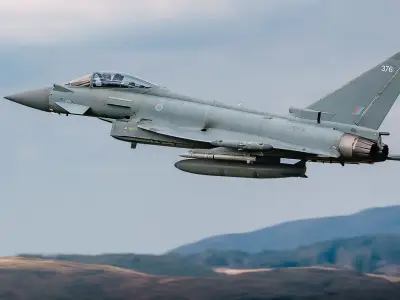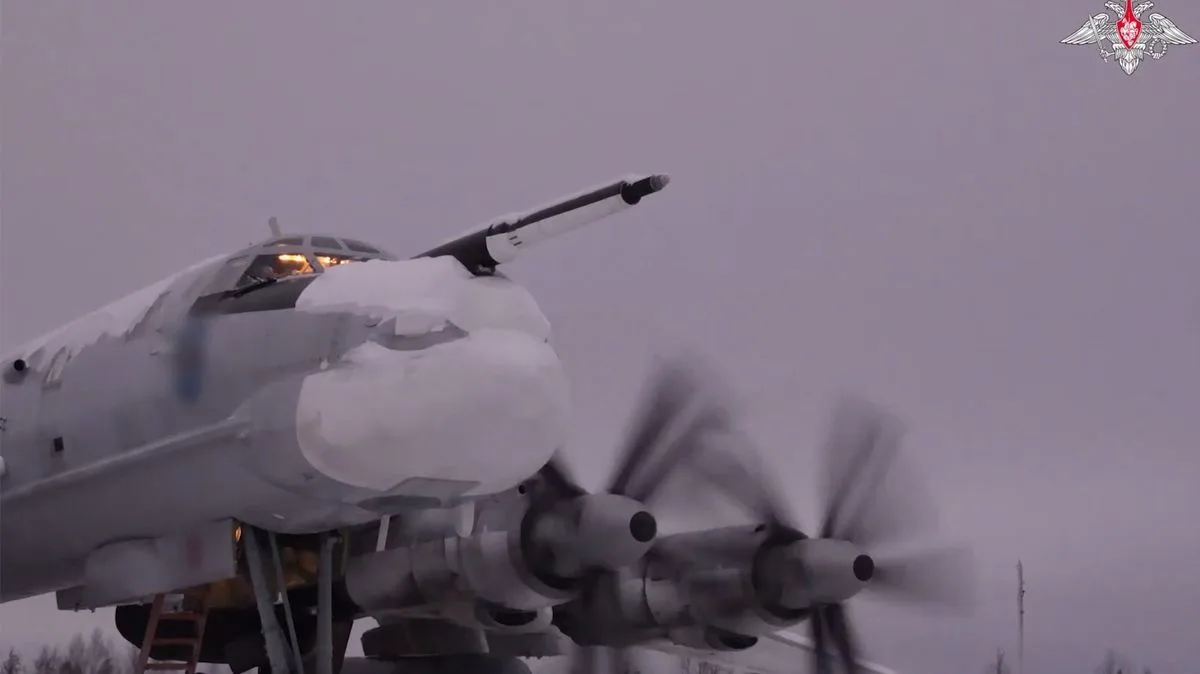
NATO warplanes were scrambled on Christmas Day after Russian strategic bombers were detected flying near UK airspace. The Russian Tu-95 'Bear' bombers were intercepted over the Barents Sea and Norwegian Sea, prompting a rapid response from allied air forces.
The incident occurred as Russian President Vladimir Putin authorised the flight of long-range bombers in what Moscow described as a routine patrol. However, the timing and proximity to UK territory raised concerns among NATO allies, who maintain a heightened state of readiness in the region.
NATO confirmed that its quick reaction alert aircraft were deployed to monitor the Russian bombers, ensuring they did not enter allied airspace. The alliance stated that such interceptions are standard procedure to safeguard the integrity of NATO territory.
The Russian Defence Ministry released images of the bombers in flight, asserting that the mission was conducted in strict accordance with international law. No further details were provided on the specific route or duration of the patrol.
This incident underscores ongoing tensions between Russia and NATO, with frequent intercepts of Russian aircraft near European borders. The alliance continues to bolster its air policing capabilities in response to increased Russian military activity.