
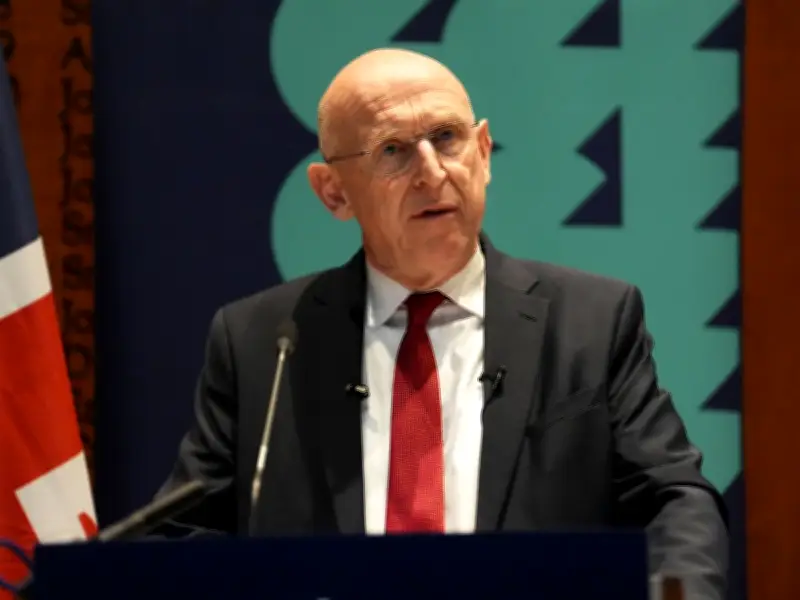
John Healey has resigned as defence secretary, delivering a shocking blow that underscores the sluggish pace of boosting British defence. His decision stems from months of listening to defence chiefs about the UK's needs to counter threats. They emphasize that Britain must invest in improving its own defence capabilities, not just in waging wars abroad.
Healey's Concerns Over Defence Spending
The US has pivoted away from NATO, becoming an unreliable ally. According to Healey, British defence requires resources that have fallen short. The UK currently spends £70 billion annually on defence, but needs an increase of at least £36 billion. His resignation reflects deep unhappiness likely shared by military chiefs.
The military is reportedly set to receive an additional £13 billion in the Defence Investment Plan, at the lower end of the £18 billion top end under discussion. When a serious figure like Healey resigns, it suggests the amount is insufficient. There is a stark difference between the "wars of choice" fought in recent decades and defending against an attack on the UK.
Military Readiness and Modern Threats
Sending 10,000 troops to Afghanistan and Iraq was complex, but war has changed dramatically, as seen in Ukraine. The UK now has little over 70,000 army soldiers and a few thousand Royal Marines capable of close combat, with perhaps only 40,000 fit to fight. In contrast, Ukraine's army has become Europe's premier fighting force in just four years, with unmatched expertise in drone warfare.
The UK relies on Type 45 destroyers with Sea Viper missiles to defend against incoming weapons, but they may need to be deployed further from home. Type 23 frigates have surface-to-air missiles similar to those used by the army, but interception of ballistic guided missiles remains unlikely.
Healey's Dedication and Impact
Healey worked tirelessly with passion to keep the UK safe with limited resources. He interviewed with the author, flew to Cyprus, and remained calm during an attack warning at RAF Akrotiri. He spent long days speaking with soldiers, pilots, and ground crew, absorbing knowledge about the Armed Forces' experiences and needs. His commitment was unwavering, and his resignation sends shockwaves through the UK military.




