Iranian Drone Strike Targets US Operations Center in Kuwait Civilian Port
Six American soldiers were killed in an Iranian drone strike on Sunday, targeting a tactical operations center situated within a civilian port in Kuwait. This incident has sparked significant questions regarding the safety protocols and defensive measures employed by the US military in the region.
Location and Details of the Attack
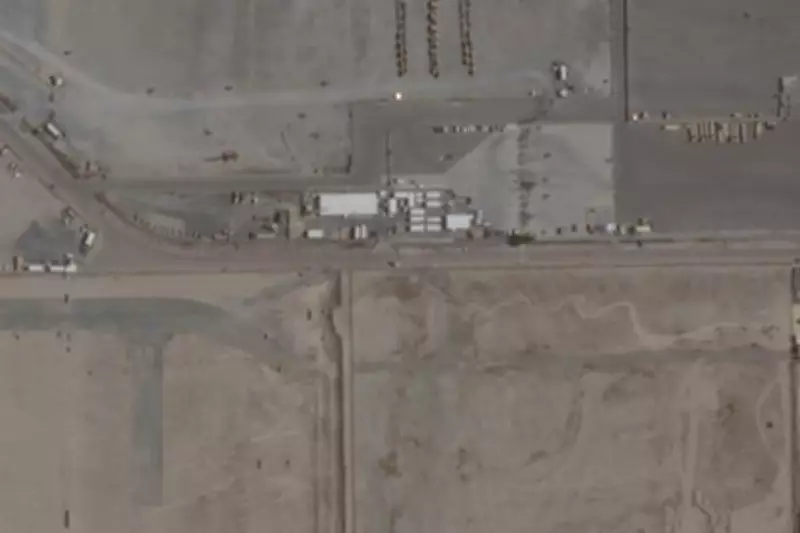
According to satellite imagery reviewed by The Associated Press and confirmed by a US official speaking anonymously, the attack occurred at Port Shuaiba, a bustling seaport and industrial area located just south of Kuwait City. The operations center was housed in a shipping container-style building, described by the husband of one of the slain soldiers as lacking any defenses. This facility was positioned over ten miles away from the main US Army base, Camp Arifjan, and was surrounded by oil storage tanks, refineries, and a power plant, placing it in the heart of civilian infrastructure.
Defense Secretary Pete Hegseth stated that the soldiers were killed when a projectile bypassed air defenses, with the Pentagon later confirming it was a drone strike. Satellite images from Monday showed the main building destroyed, with black smoke emanating from the site, highlighting the severity of the assault.

Safety Concerns and Military Response
The attack raises critical concerns about the precautions taken by the US military, especially as it, alongside Israel, had launched an offensive against Iran, prompting retaliatory strikes across the region, including in Kuwait. President Donald Trump and top defense leaders have warned that further American casualties are likely.
In response to emerging reports, chief Pentagon spokesman Sean Parnell asserted on social media that the facility was "fortified with 6-foot walls" and emphasized the extensive air defense umbrella over the Middle East. However, his office did not address inquiries about the effectiveness of such walls against drone attacks or the specific air defenses near the port command center.
Captain Tim Hawkins, a spokesman for US Central Command, declined to comment, citing an ongoing investigation into the incident.
Personal Impact and Dispersal Strategy
The human toll of the strike was underscored by Joey Amor, husband of Sergeant First Class Nicole Amor, one of the soldiers killed. He revealed that his wife had been relocated off-base to the shipping container building just a week prior, as part of a dispersal strategy intended to reduce risk by operating in smaller, separated groups. This move was driven by fears that the main base might be targeted, yet it ultimately placed the soldiers in a vulnerable position within the civilian port.
This development, initially reported by CNN and CBS News, underscores the complexities and dangers faced by US forces in volatile regions, as they balance operational needs with personnel safety amidst escalating conflicts.