IDF Unveils Elaborate Sabbath Deception That Preceded Khamenei Assassination
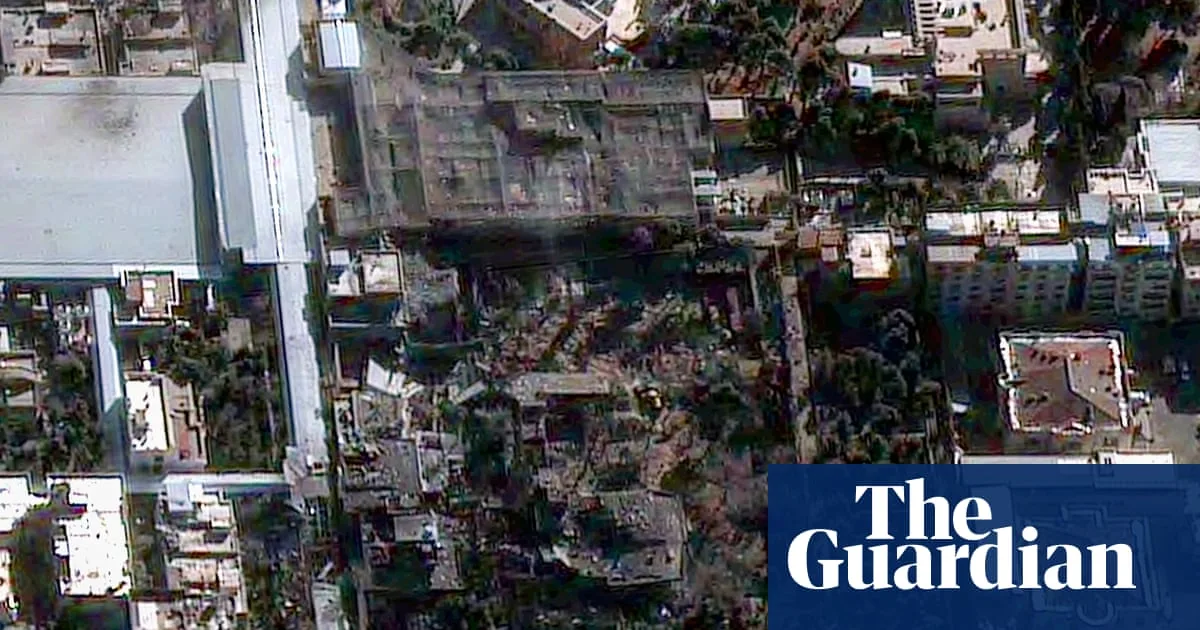
The Israeli Defense Forces has revealed how a meticulously planned psychological operation involving a fake Jewish Sabbath dinner created a false sense of security in Tehran during the hours leading up to the assassination of Iranian Supreme Leader Ali Khamenei. This joint US-Israeli operation, years in development, culminated in Saturday's successful strike that eliminated the Iranian despot and several high-ranking officials.
The Sabbath Trap and Psychological Warfare
As the eleventh hour approached for the meticulously planned operation, IDF commanders grew concerned that increased activity around Israel's central military complex in Tel Aviv might alert Iranian intelligence to imminent action. To counter this, they executed an elaborate deception plan on the Friday before the attack.
The military deliberately created the impression that Israel's defense establishment was shutting down for the weekend, releasing photographs and information suggesting that IDF personnel and top leadership were returning home for traditional Sabbath dinners. High-ranking generals made certain they were observed leaving headquarters to join their families, only to discreetly return later, often in disguise, to continue planning the operation.
"We conducted a psychological operation to ensure Iran's leadership were completely blindsided," explained an IDF spokesperson. "The Sabbath deception was crucial to achieving total surprise."
Blue Sparrow Missile Technology
The operation employed Israel's little-known Blue Sparrow ballistic missile system, a weapon originally developed in 2013 to test air defense systems but subsequently adapted for offensive operations. These missiles, weighing approximately 1.9 tonnes with a range of 1,240 miles, possess unique capabilities that made them ideal for this mission.
Blue Sparrow missiles arc into space before crashing down on their targets, making them exceptionally difficult to intercept due to their high speeds and atmospheric re-entry characteristics. After launch from Israeli F-15 fighter jets, booster rockets propel the missile into space, where the re-entry vehicle separates and locks onto its target before descending through the atmosphere at tremendous velocity.
On Saturday morning at 9:40 AM Iran time, Israeli jets launched at least thirty Blue Sparrow missiles toward Khamenei's compound in Tehran, having taken off two hours earlier to reach their firing positions.
Comprehensive Intelligence Gathering
The operation was supported by years of sophisticated intelligence work, including the hacking of Tehran's extensive traffic camera network, which Iranian authorities routinely use for surveillance of regime opponents and the general population. Israeli intelligence gained access to nearly all of Tehran's cameras, transmitting images back to Tel Aviv and southern Israel.
This surveillance allowed Mossad to develop intimate knowledge of security personnel movements, including where bodyguards parked their personal vehicles when arriving at the Supreme Leader's compound on Pasteur Street. One particular camera angle proved especially valuable for tracking these patterns.
"We knew Tehran like we know Jerusalem," an Israeli intelligence official told the Financial Times. "And when you know a place as well as you know the street you grew up on, you notice a single thing that's out of place."
The CIA contributed a human intelligence source who provided vital information, while Israeli AI tools and algorithms processed enormous volumes of data about Iranian leadership movements, ultimately tracing Khamenei to the meeting where he was targeted.
Simultaneous Communications Disruption
As missiles were launched, the IDF simultaneously disrupted approximately a dozen mobile phone towers near Pasteur Street, making phones appear busy when called and preventing Khamenei's security detail from receiving potential warnings. This communications blackout occurred while senior Iranian national security officials were gathered in another section of the building.
Casualties and Regional Fallout
The strike eliminated not only Supreme Leader Ali Khamenei but also several high-value targets including Rear Admiral Ali Shamkhani, IRGC commander Major General Mohammad Pakpour, Khamenei's daughter, grandchild, daughter-in-law, son-in-law, his wife Mansoureh Khojasteh Bagherzadeh, and former Iranian President Mahmoud Ahmadinejad.
In the aftermath, IDF spokesman Brigadier General Effie Defrin stated that the military campaign had "shaken" Iran's clerical leadership and that operations would continue to "deepen the damage" until existential threats were removed. Israel has simultaneously conducted strikes against Hezbollah targets in Lebanon, hitting over 320 terror targets according to military reports, with approximately 80 struck in the 24 hours preceding Thursday's briefing.
"Hezbollah is an arm of Iran," Defrin emphasized, while noting that coordination between the two "is not that tight." The regional conflict has expanded since Monday when Hezbollah attacked Israel in retaliation for Khamenei's assassination, drawing Lebanon into the broader Middle Eastern confrontation.




