HMS Dragon's Delayed Deployment Highlights UK Military Readiness Concerns
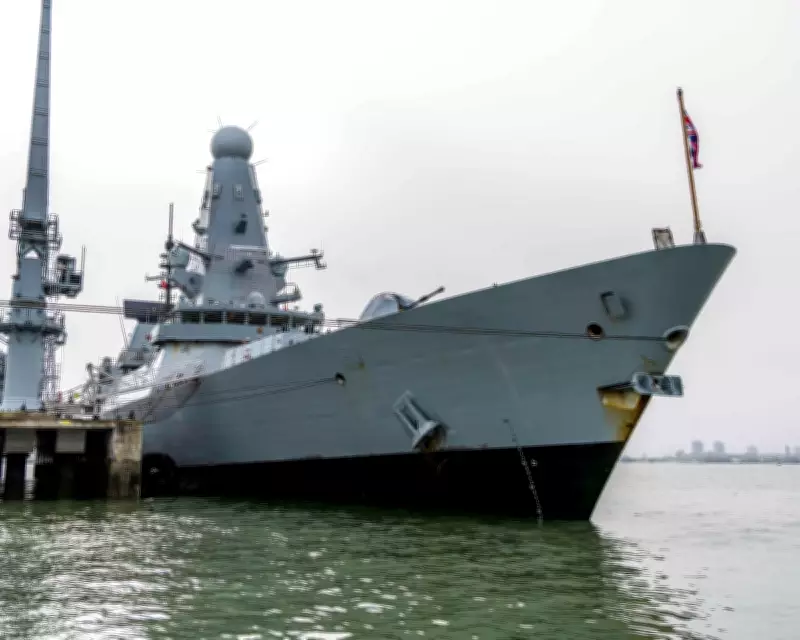
The arrival of HMS Dragon in the eastern Mediterranean, occurring three weeks after an Iranian drone attack on RAF Akrotiri, has underscored significant issues within the UK's military capabilities. The destroyer has now docked following problems with its onboard water systems, raising questions about operational readiness and contingency planning.
Geopolitical Lessons from the Iran Conflict
As the US and Iran agreed to a temporary ceasefire after diplomatic intervention, the conflict has revealed critical insights into the UK's geopolitical standing and military preparedness. Despite the relief of a two-week pause, the situation has exposed vulnerabilities that could impact future engagements.
The State of the Special Relationship
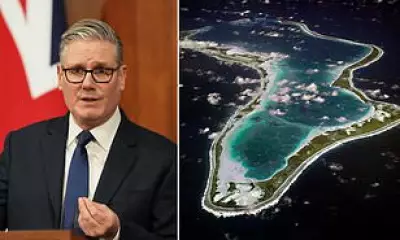
Prime Minister Keir Starmer's efforts to cultivate a positive relationship with US President Donald Trump have deteriorated amid the conflict. Trump has publicly criticized Starmer for not supporting initial strikes, mocking UK military capability and accusing him of lacking leadership. Starmer has distanced himself, emphasizing intelligence sharing as the core of the special relationship rather than political alignment.

Military Readiness Under Scrutiny
Experts argue that the war in Iran has highlighted the UK's lack of military capacity. The delayed arrival of HMS Dragon is cited as an example of inadequate contingency options. Admiral Lord West of Spithead has warned that the navy is in its most parlous state in 60 years, with a shrinking fleet and underfunding issues.
- The UK's destroyer and frigate fleet has declined from 51 at the end of the Cold War to just 13 today.
- Defence spending currently stands at 2.4% of GDP, with Labour pledging to increase it to 2.5% by 2027 and 3.5% by 2035.
- A delayed 10-year defence investment plan has yet to be published, adding to uncertainty.
Energy Vulnerability and Economic Impact
The conflict has also exposed the UK's susceptibility to oil shocks. Even with the Strait of Hormuz reopening, energy analysts predict higher fuel prices and potential increases in energy bills. The UK's dependency on fossil fuel imports, at 43.8% in 2024, leaves it vulnerable to global supply disruptions.
Political Repercussions and Public Opinion
Starmer's decision not to rush into war has bolstered his position, with polls showing 60% of Britons oppose military action. This stance has contrasted with opposition leaders like Kemi Badenoch and Nigel Farage, who initially supported closer US ties but later softened their positions, leading to perceptions of confusion.
Overall, the Iran conflict has served as a stark reminder of the challenges facing the UK's defence strategy and geopolitical influence, prompting calls for increased investment and clearer policy direction.