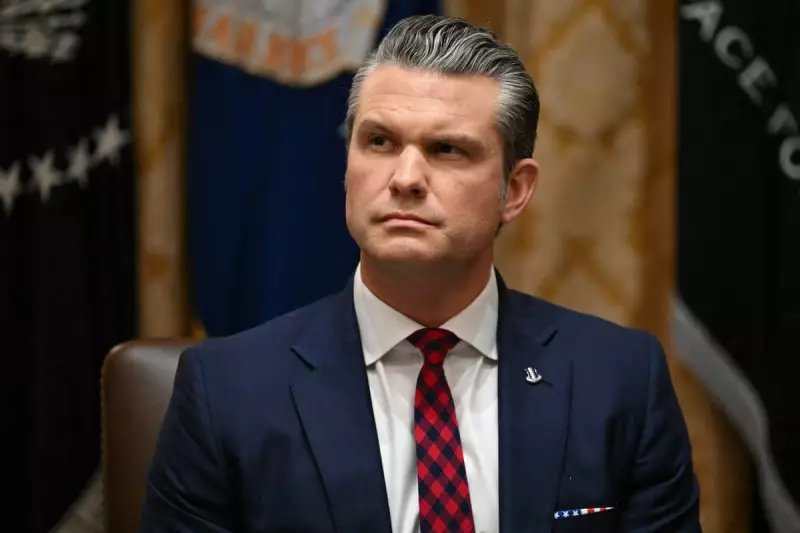
A damning investigation by the Pentagon's inspector general has concluded that US Defence Secretary Pete Hegseth broke departmental rules and potentially endangered American forces by disclosing sensitive operational details about military airstrikes in Yemen via a private Signal group chat.
Report Details a Serious Security Breach
The unclassified report, released on Thursday, centres on events in March of this year. It found that Hegseth used his personal mobile phone to send information to a chat group named 'Houthi PC Small Group' late on the 15th of March. This message contained operational specifics that matched details from a classified 'Secret' email sent to him and other senior leaders by US Central Command just hours before the strikes commenced.
"Using a personal cell phone to conduct official business and send nonpublic DoD information through Signal risks potential compromise of sensitive DoD information, which could cause harm to DoD personnel and mission objectives," the inspector general's report stated bluntly. It emphasised that if intercepted by a hostile foreign power, the leaked information could have put US troops in direct danger.

Political Fallout and Hegseth's Defence
The findings have triggered immediate political repercussions. Prominent Democratic Senator Mark Warner, who serves as vice-chair of the Senate intelligence committee, issued a forceful demand for Hegseth's resignation on Wednesday. "Our service members... expect and deserve leaders who honour the sacrifices they make every day to protect our nation and never put them at unnecessary risk," Warner declared. "I've said it before and I'll say it again: Pete Hegseth should resign, or the president must remove him at once."
Hegseth, however, has vehemently pushed back against the criticism. Taking to Twitter/X, he claimed total vindication, writing: "No classified information. Total exoneration. Case closed. Houthis bombed into submission. Thank you for your attention to this IG report." In his official statement to investigators, Hegseth asserted his authority as defence secretary to decide on classification matters, suggesting he had deemed the shared details either unclassified or safe to declassify for an 'unclassified summary'.
Key Findings from the Investigation
The report outlines a precise timeline of the security lapse. On the 14th of March, just before 9pm, US Central Command sent a secure email to Hegseth and the acting chairman of the joint chiefs of staff. This email provided comprehensive operational details, including the means and timing of the planned strikes against Houthi targets in Yemen, scheduled for the following day.
Approximately 17 hours later, at 11.44pm on the 15th of March, Hegseth transmitted information from that briefing to the Signal chat. The investigation notes this was done from his residence at Fort McNair in Washington, with his junior military assistant and personal communicator present. A complicating factor was the use of auto-deleting messages on Signal, which meant the inspector general had to rely partly on a transcript published by The Atlantic to piece together a full record of the exchange.
This incident raises significant questions about the use of encrypted private messaging apps for official government communications and the protocols surrounding the handling of sensitive military information at the highest levels of the US defence establishment.