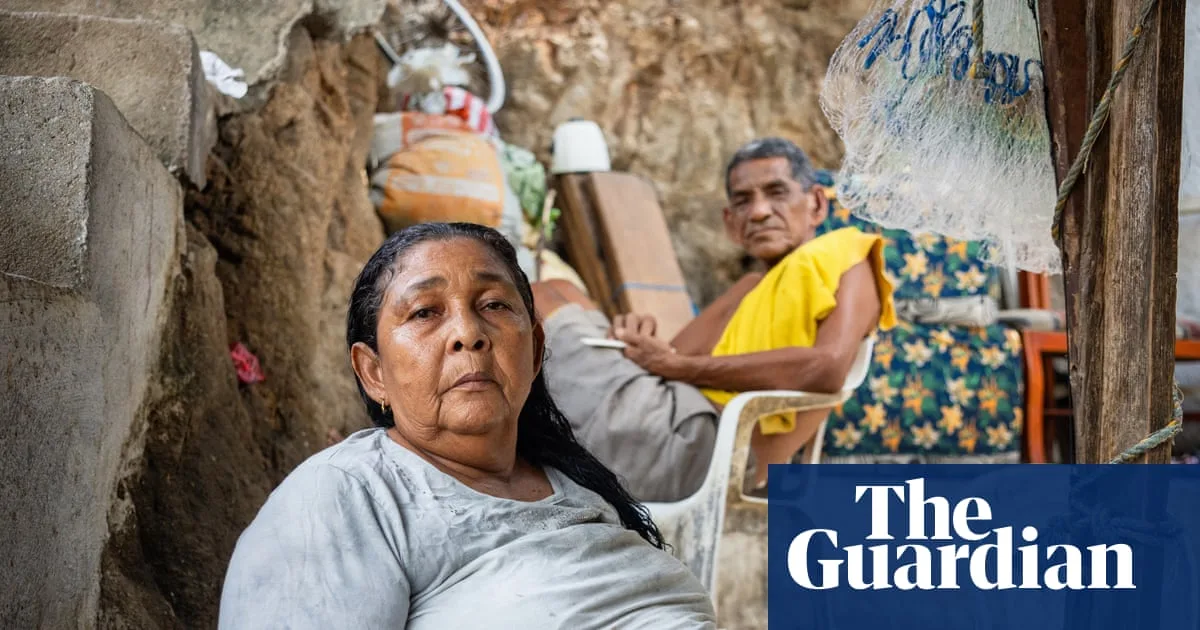
The family of a Colombian fisherman has launched an unprecedented legal challenge against the United States, filing a formal petition with the Americas' premier human rights body. They argue that the death of Alejandro Carranza in a U.S. military strike was an extrajudicial killing.
Details of the Petition and the Deadly Strike
The petition, filed with the Inter-American Commission on Human Rights (IACHR), states that on 15 September, the U.S. military bombed Carranza's fishing boat as he sailed off Colombia's Caribbean coast. The action, the family contends, violated international human rights conventions. The IACHR received the complaint on Tuesday, 2 December 2025.
While the Trump administration has expressed support for the commission's work, the U.S. does not recognise the jurisdiction of the associated international court. Consequently, any recommendations stemming from the petition would not be legally binding on the United States.
The family's attorney, Daniel Kovalik, explained that Carranza's spouse and four children are seeking compensation, as he was the primary breadwinner. "The U.S. does not subject itself to accountability, so we're using the avenues we have before us," Kovalik stated. He added that a favourable decision, combined with public pressure, could secure compensation and help end the killings.
Escalating US Military Action and Scrutiny
This complaint arises from a significant escalation of U.S. military action in the region. Since early September, the U.S. has conducted strikes on vessels allegedly carrying drugs, resulting in more than 80 fatalities. The operations began off Venezuela's coast and later expanded to the eastern Pacific.
The Trump administration has not detailed the identities of those killed but insists its intelligence confirmed that members of foreign terrorist organisations were operating the targeted boats. Regarding the 15 September strike that killed three people, including Carranza, President Donald Trump claimed to reporters that "big bags of cocaine and fentanyl were spattered all over the ocean." No such images have been released by the military or the White House.
Kovalik firmly denied Carranza's boat was carrying drugs. The attorney, who also represents Colombian President Gustavo Petro in the U.S., met the family at their home in northern Colombia. Petro has condemned the boat attacks as "murders," criticising the disproportionate use of force.
Threats to the Family and Future US Policy
The legal petition cites media reports and statements by U.S. Secretary of Defense Pete Hegseth as evidence. It also reveals that the family has received threats from right-wing paramilitaries since speaking out about Carranza's death, making it unsafe for them to seek justice within Colombia.
The strikes have faced growing scrutiny following reports that Hegseth issued a verbal order to "kill everybody" on the first targeted boat, and that an admiral approved a follow-up strike on survivors. Hegseth defended the admiral's decision.
In a significant development, President Trump indicated on Tuesday that the U.S. would soon begin conducting strikes on land, suggesting Colombia as a potential location. "We know where they live. We know where the bad ones live," Trump said, referring to those manufacturing and selling drugs like fentanyl and cocaine. "Anybody that's doing that and selling it into our country is subject to attack," he added, noting it was "not just Venezuela."
The Pentagon did not immediately respond to a request for comment regarding the family's human rights challenge.




