
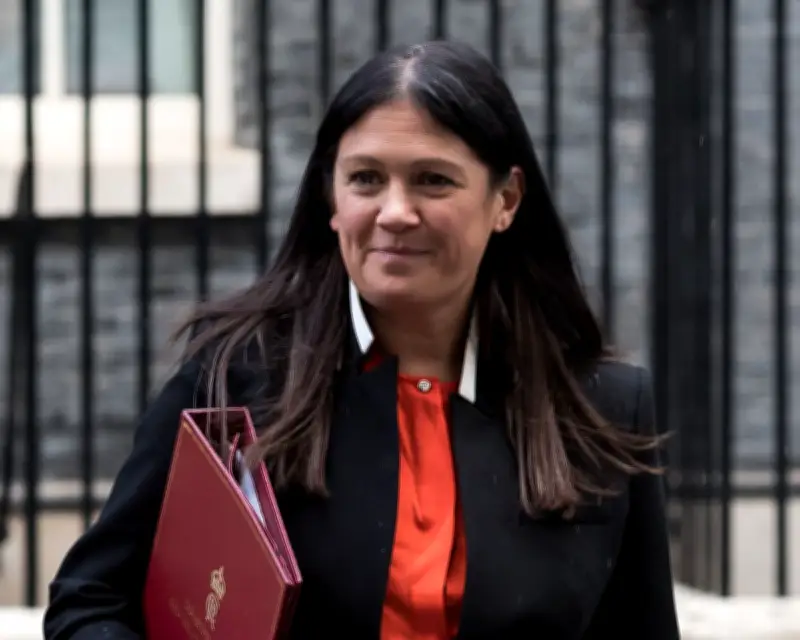
The culture secretary, Lisa Nandy, has confirmed that Cabinet ministers are being asked to identify additional funds within their departments to support an increase in defence spending, following the resignation of former defence secretary John Healey.
Ongoing Discussions with Treasury
Speaking to the BBC, Nandy stated that her department is among those still in talks with the Treasury regarding further contributions to defence. Healey resigned last week over a significantly smaller-than-expected settlement for the defence investment plan (Dip).
In his resignation letter, Healey said he could not accept a Dip settlement that fails to provide the necessary resources for the armed forces. Although Prime Minister Keir Starmer declared in February that Britain needs to accelerate defence spending, his offer to Healey was an additional £2 billion, or 0.08% of GDP, by 2030. Starmer reportedly refused to set a target date for reaching 3% of GDP, which is expected after the next election.
Nandy's Stance on National Resilience
Nandy emphasized that it is the duty of all government members to ensure national security. She noted that she spoke with the prime minister on Friday and the chancellor this week, and is consulting with her officials about available funding. A new defence secretary, Dan Jarvis, has been given until the NATO summit in Ankara in two weeks to propose an alternative plan with increased investment.
Nandy indicated that some areas in her department would be protected from cuts due to national resilience needs. She specifically ruled out cuts to the BBC, citing the importance of combating misinformation that harms national resilience.
Reactions to Healey's Resignation
When asked why Healey resigned if discussions were still ongoing, Nandy explained that from her perspective, conversations are happening in real time. She expressed confidence in Jarvis, who served on the frontline and as security minister, stating he would not have accepted the role unless he believed they could meet the moment.
Nandy rejected claims that difficult decisions are not being made to fund higher defence spending, noting that the Ministry of Defence has received significant increases in previous budgets. She acknowledged private reservations among ministers about cutting international aid but accepted that Starmer was firm on that decision.
Additional Resignation
Al Carns also resigned as armed forces minister after Healey's departure. Carns, who has expressed interest in running for Labour leadership, told the Telegraph that the funding was inadequate and that Whitehall cannot adapt quickly enough to evolving threats. He criticized the 2.68% GDP target by 2030 as insufficient given the fundamentally changed nature of warfare, arguing that the figure was set by the Treasury rather than by actual threats.




