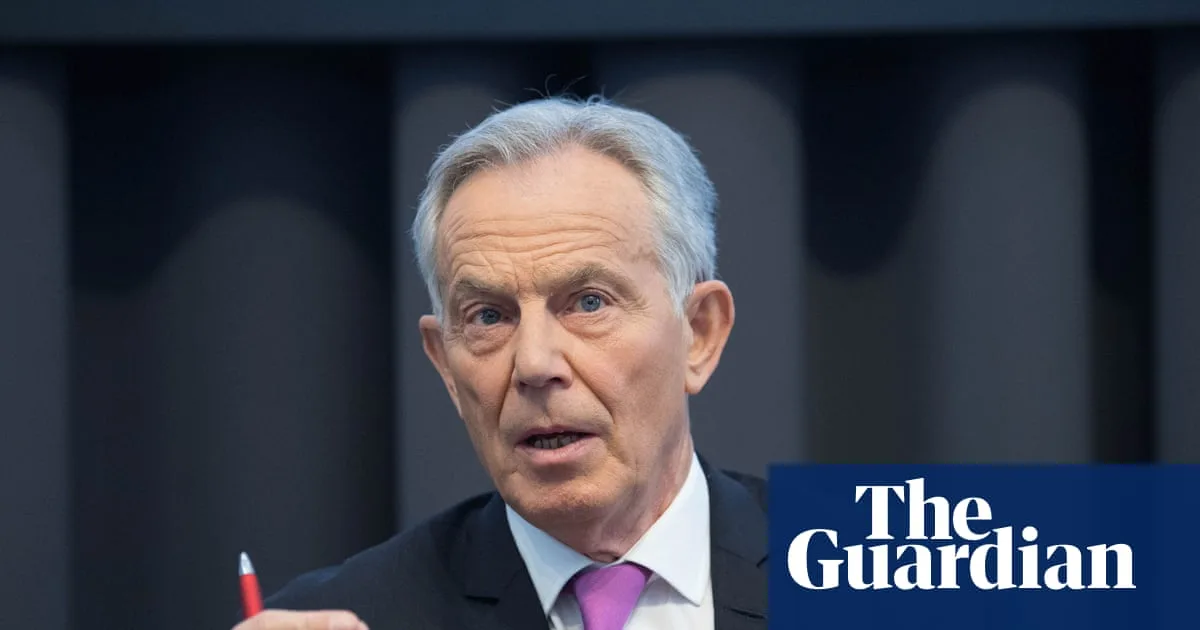
Freshly disclosed government documents have revealed that former Prime Minister Tony Blair personally intervened to pressure officials over the handling of sensitive files related to British soldiers in Iraq. The revelations, stemming from a Freedom of Information request, shed new light on the extent of political involvement in the aftermath of the conflict.
Pressure Applied Over Legal and Historical Records
The core of the issue centres on records concerning the conduct and legal exposure of UK troops. According to the documents, Tony Blair's office expressed significant concern about how these files were being managed by civil servants. The former Prime Minister is reported to have sought assurances and pushed for a specific approach that would shape the official narrative and potentially limit liability.
This pressure was applied in the context of the government's preparation for the landmark Chilcot Inquiry into the Iraq War. The inquiry, which published its damning report in 2016, spent years scrutinising the UK's role in the 2003 invasion and its aftermath. The newly released papers suggest a concerted effort from the highest level of government to influence the process of record-keeping and disclosure related to military actions.
Whitehall's Response and the "Maxwellisation" Process
Internal correspondence shows that officials within Whitehall were grappling with the dual pressures of historical accountability and legal protection for service personnel. A key point of contention was the "Maxwellisation" process, a procedure where individuals criticised in an official report are given the chance to respond before publication. Blair's team reportedly pressed for this process to be applied in a way that favoured certain narratives regarding soldiers' actions.
The documents indicate that civil servants felt the weight of this political pressure, with some expressing concerns about maintaining procedural integrity and impartiality. The timeline of these events stretches across several years, highlighting the prolonged and sensitive nature of dealing with the Iraq War's legacy within government departments.
Implications for Accountability and Historical Record
These revelations have sparked immediate criticism from political opponents and campaigners. They argue that the interference represents a serious attempt to distort the historical record and shield the government of the day from full accountability for decisions made during the Iraq conflict. The families of soldiers who lost their lives, as well as groups representing veterans, have long sought transparency.
The fallout raises profound questions about the relationship between political leaders and the civil service, especially concerning matters of such grave national importance. It also casts a new shadow over the final years of Blair's premiership, which was dominated by the ongoing consequences of the Iraq War. The documents add a concrete layer of evidence to long-held suspicions about political management of the war's aftermath.
While the full legal implications remain to be seen, the disclosure is certain to reignite debate about the UK's involvement in Iraq and the mechanisms for holding power to account. It underscores the challenges of ensuring an unbiased historical account when those involved are still active in seeking to control their legacy.




