Australia Commits $53bn Defence Boost Amid US Pressure
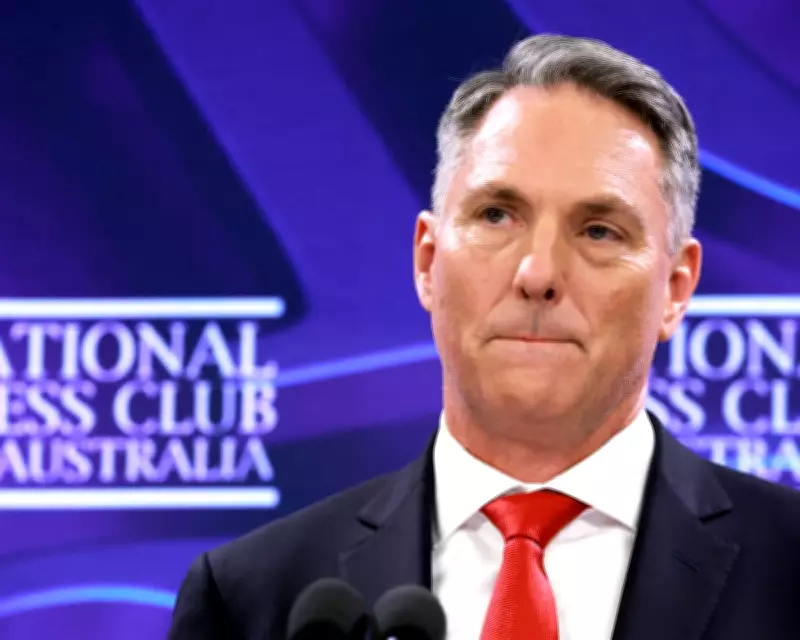
In a significant address to the National Press Club, Defence Minister Richard Marles has unveiled a substantial increase in Australia's defence expenditure, committing an additional $14 billion over the four-year forward estimates period and a further $53 billion over the next decade. This announcement comes amidst ongoing pressure from the United States, particularly under the influence of former President Donald Trump, who has consistently urged allies to ramp up their military spending.
Trump's Influence and Nato Comparisons
Marles, who met with US counterpart Pete Hegseth in Singapore nearly a year ago, has been acutely aware of Trump's demands for allies to lift defence spending to 3.5% of GDP. Initially, Marles and Prime Minister Anthony Albanese downplayed these demands, emphasising that spending decisions would be based on strategic need rather than arbitrary targets. However, in a surprising shift, Marles used the release of Australia's latest national defence strategy to frame total defence spending in Nato terms, revealing that by 2033, Australia will exceed the 3% of GDP threshold. Previously, he had projected spending to reach about 2.4% of GDP over the next decade.
By Marles's calculations, this represents a $117 billion increase over ten years compared to the former Coalition government's plans. To fund this, about $5 billion in "reprioritisations" will free up cash, including the scrapping of 10 Spartan C-27J small transport planes. Marles defended these figures as a way to compare "apples with apples," but the transparency of these numbers has been questioned.

Complexities in Defence Accounting
The defence portfolio's figures are often described as "clear as mud" due to differing accounting methods. Nato rules report spending when major assets, like warships, are built and paid for, whereas Australia spreads costs over the asset's lifetime. Additionally, Australia's 3% total includes budget items outside the defence portfolio, such as international intelligence activities and superannuation entitlements for service members, further complicating direct comparisons.
Aukus Submarine Deal and Cost Escalations
On the controversial Aukus nuclear submarines agreement, Marles maintains that the 2023 cost estimate of $368 billion remains current, arguing the best way to understand the total price tag is to consider it at about 0.15% of GDP over the project's life. He insists there hasn't been a significant increase in the cost of nuclear subs. However, spending over the next decade on Aukus has risen from the $53 billion to $63 billion range provided two years ago to between $71 billion and $96 billion today. The government attributes this increase to progress on related infrastructure, including the Osborne shipyard in South Australia and the Henderson base in Western Australia.
Under the Aukus deal, the first Virginia Class submarine from the United States is scheduled to arrive in Australia in 2032, with another following every four years, before Australian-built models begin production in 2042.
Marles's Defiant Stance
Perhaps frustrated by criticism from the opposition, press gallery, and defence commentators, Marles was pointed in his speech, insisting that increases in spending did not happen because of thinktanks, retired generals, or washed-up bureaucrats. He emphasised that decisions were driven by national security needs. However, on his own test of comparing "apples with apples," Thursday's explanation has been criticised for lacking the transparency that Australian taxpayers expect and deserve, leaving many questions unanswered about the true scale and impact of these defence investments.