
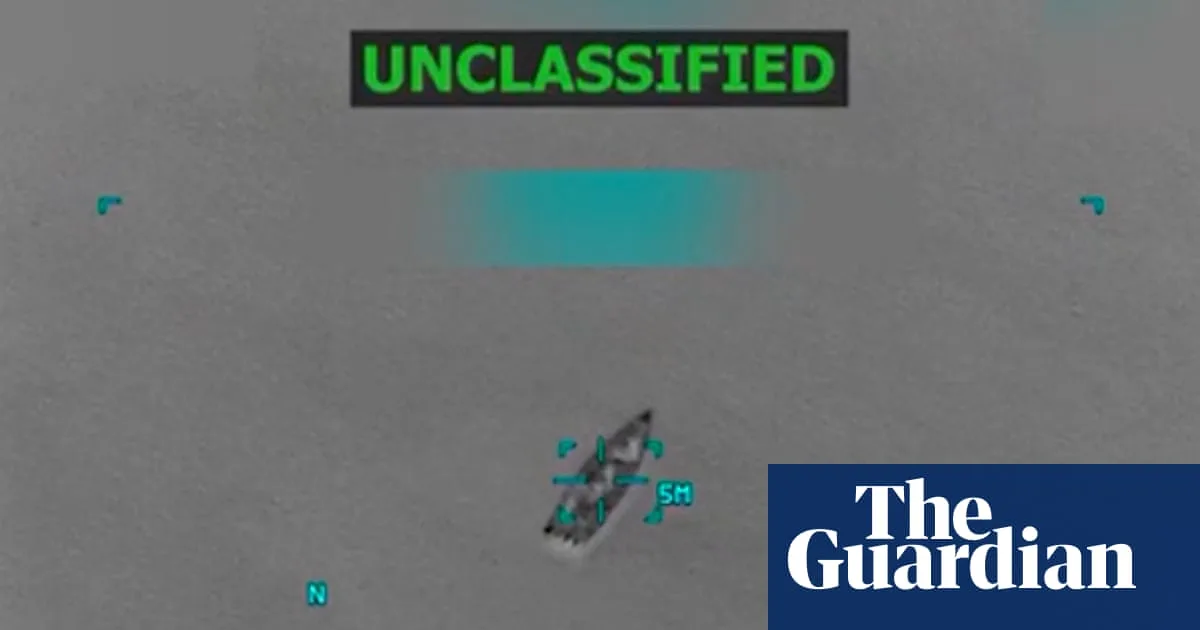
A second US military strike that killed two survivors of an earlier attack on a suspected Venezuelan drug boat has provoked outrage and prompted a Congressional investigation into the legality of the entire campaign. The incident, reported by the Washington Post, involved a so-called 'second tap' that allegedly followed an order from Defence Secretary Pete Hegseth to 'kill everybody' on board.
Since September, the Trump administration has targeted vessels in the Caribbean and Pacific suspected of drug trafficking, killing at least 81 people in more than 20 strikes. The administration insists the strikes are legal under the rules of war, claiming the US is engaged in an armed conflict with traffickers linked to Venezuela's president. Legal experts have widely rejected this rationale, noting the US is not under attack from an armed group.
The first strike on 2 September left two survivors clinging to the vessel's side. A second strike then killed them, reportedly to comply with Secretary Hegseth's order. The Republican-led armed service committees in both houses of Congress have vowed to investigate the incident, amid speculation that a war crime may have been committed.
Even if the administration's contentious war framework is accepted, legal analysts say the second strike violates longstanding laws of warfare. The Pentagon's own Law of War manual explicitly prohibits attacking those who are shipwrecked or hors de combat, stating 'making them the object of attack is strictly prohibited'. The manual also addresses illegal orders, citing as an example an order to 'fire upon the shipwrecked'.
The requirement to refuse clearly illegal orders is reinforced by the 1950 Nuremberg principles and US law, which reject the defence of superior orders. This was established in the prosecution of Lieutenant William Calley for the My Lai massacre. The Uniform Code of Military Justice similarly enshrines these rules.




