

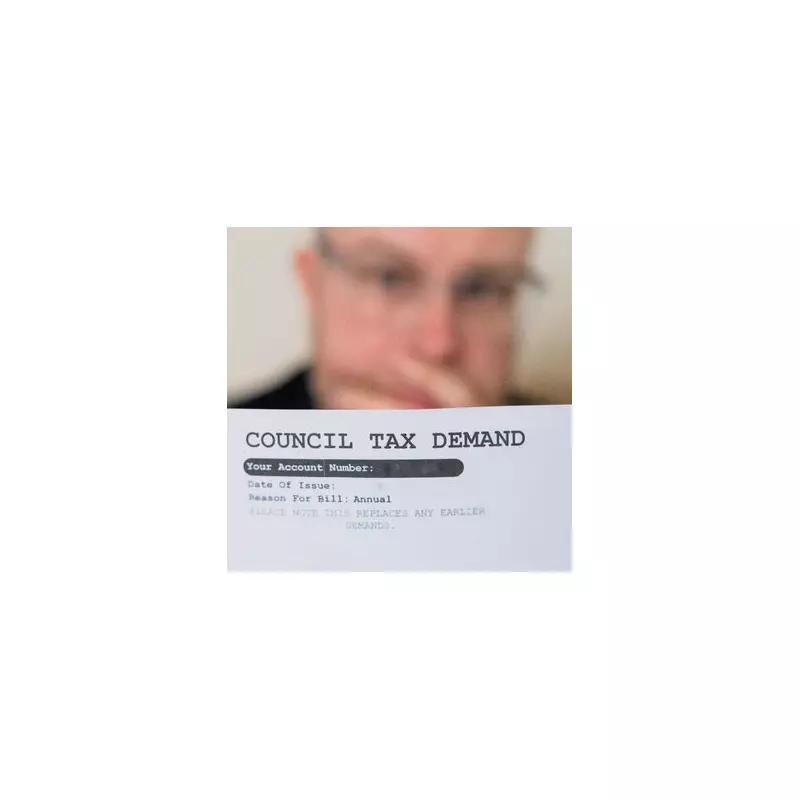
Council Tax represents a mandatory local charge for most households across the United Kingdom, funding essential services provided by local authorities. These services include refuse collection, library maintenance, policing, fire services, and road repairs. The amount each household pays is determined by a banding system, ranging from A to H in England and Scotland, and A to I in Wales. Typically, properties occupied by two or more qualifying adults do not receive any automatic reduction on their bill.
Understanding Council Tax Discount Eligibility
Many residents may be eligible for significant discounts on their council tax, with reductions ranging from 25% to a complete 100% waiver, depending on specific circumstances. Eligibility hinges on various factors including household composition, income levels, and individual statuses. The team at Martin Lewis' MoneySavingExpert.com has categorised these potential savings into three primary groups, helping families potentially save hundreds or even thousands of pounds annually by understanding their entitlements.
Discounts Based on Household Composition
In standard situations, a household with two or more qualifying adults aged 18 or over will not qualify for any council tax reduction. However, if only one adult resides at a property and meets all other qualifying criteria, they can apply to their local authority for a 25% sole occupancy discount. This requires providing proof of living alone.

Greater discounts become available when the majority of residents in a property are considered "unqualified" for council tax purposes. Key categories include:
- Children – Individuals under 18 years old are not counted when determining council tax liability.
- Full-time students – Those enrolled on courses lasting at least one year with a minimum of 21 study hours weekly qualify, including full-time student nurses.
- Severely mentally impaired adults – Individuals with medically certified conditions such as Alzheimer's, Parkinson's, profound learning difficulties, multiple sclerosis, or severe stroke effects, who also receive qualifying benefits.
- Live-in carers – Carers providing at least 35 hours weekly care to a disabled person who isn't their partner, spouse, or child under 18, where the cared-for person receives specific benefits.
- Care leavers – Young adults who grew up in care and are transitioning to independent living may qualify for discounts ranging from 25% to 100%, depending on household composition.
Income-Based Council Tax Reductions
Households with low incomes or those claiming benefits like Universal Credit may qualify for Council Tax reductions of up to 100%. Eligibility doesn't depend on home ownership or employment status, but rather on several factors:
- Your geographical location and local authority policies
- Personal circumstances including income, number of children, benefits received, and residency status
- Total household income from all sources including savings, pensions, and partner's earnings
- The presence of children or other adults in the household
Notably, households where someone receives the guaranteed element of Pension Credit may be eligible for a full 100% reduction on their council tax bill.
Property-Based Discounts and Exemptions
Properties adapted for disabled residents may qualify for a council tax band reduction. If adaptations include installing additional bathrooms or kitchens for disabled use, or creating rooms predominantly used by disabled individuals (such as accessible ground-floor bedrooms in two-storey houses), households can apply for this discount. Properties already in the lowest band A receive a 17% reduction instead of moving bands.
Several circumstances allow properties to be exempt from council tax entirely:

- Unoccupied properties undergoing structural repairs or alterations – exempt for up to 12 months
- Long-term residents of care homes or hospitals
- Individuals in prison (except for non-payment of council tax)
- Properties awaiting new occupants after a resident's death, during probate
Important reminder: Discounts are rarely applied automatically. In virtually all cases, property owners or tenants must proactively apply to their local authority for any reduction. Never assume eligibility has been granted without formal application and approval.





