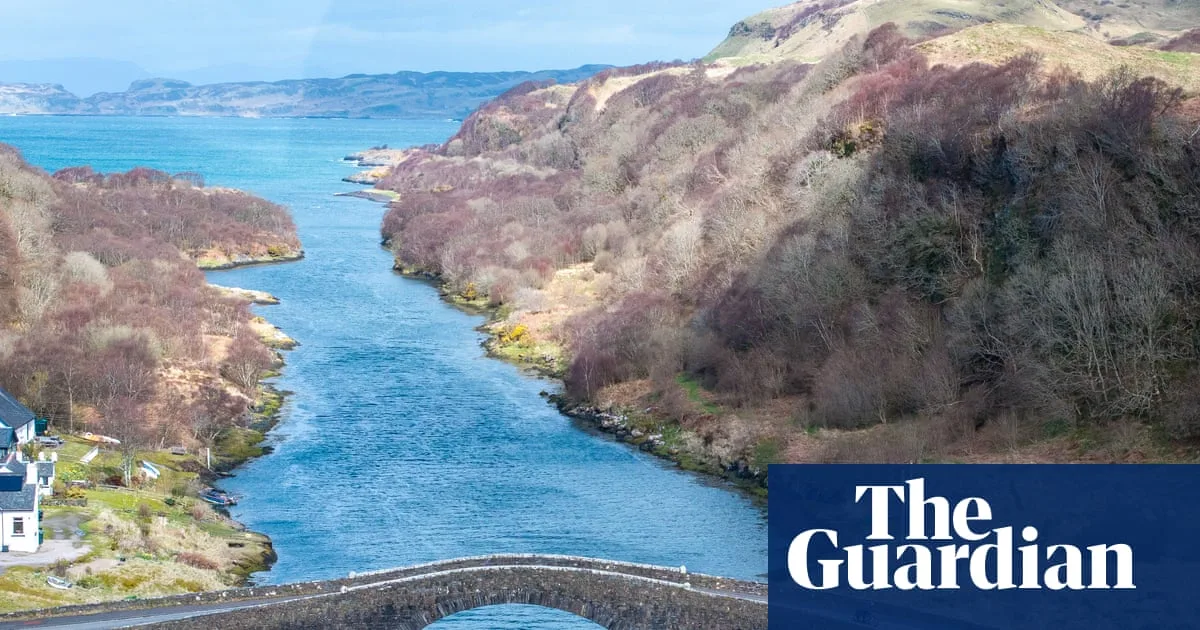
For over two centuries, the iconic Clachan Bridge has served as a crucial connection between the Isle of Seil in the Inner Hebrides and mainland Scotland. Spanning less than one hundred feet across a narrow Atlantic Ocean inlet, this stone arch structure—affectionately dubbed the 'Bridge over the Atlantic'—has been a lifeline for residents and a magnet for tourists since its completion in the late 1790s.
Council Proposes Safety Measures
Argyll and Bute Council has unveiled controversial plans to install traffic lights at the historic humpback bridge, citing significant safety risks. Officials argue that poor visibility and the potential for vehicles to meet oncoming traffic, which can create a static load on the ancient structure, necessitate this intervention. The proposed work is estimated to cost approximately thirty-five thousand pounds.
Islanders Voice Fierce Opposition
Local residents have reacted with anger and dismay, branding the proposal a 'desecration of a heritage site, with no benefit whatsoever'. A petition has been launched urging councillors to halt the project, emphasizing that the A-listed bridge has been the vital link connecting the Slate Islands of Seil, Luing, and Easdale to the mainland for generations.
The petition states: 'The world-famous bridge attracts thousands of visitors to our community—supporting our local economy, promoting our islands, and our way of life. This is about respect for the place, the people who live here, those who will always call it home, and the heritage we all value.'
Tourists and Former Politician Join the Fray
Former MSP Mike MacKenzie from Oban has written an open letter to the council's chief executive, Pippa Milne, expressing concerns that the traffic lights 'are likely to be detrimental to the character and setting of Clachan Bridge'. Tourists have also rallied against the plans, with one long-time visitor of over thirty years warning: 'These lights will take away the beautiful views. It's going to start looking more like a town rather than a lovely part of history. It is no longer going to have the warm, welcome-home feel.'
Support for the Safety Initiative
Not all voices are opposed to the council's strategy. Some islanders acknowledge that increasing traffic levels, particularly during peak tourist seasons, make a controlled system both practical and necessary. One local wrote: 'While the bridge has long operated without signals, traffic lights will help reduce the risk of conflict between drivers and provide a clearer, safer crossing for all users.'
Council Defends Its Position
Argyll and Bute Council has defended the proposal as a direct response to concerns raised last year regarding 'a lack of forward visibility for vehicles approaching the bridge' and to 'reduce the likelihood of further collisions'. A council spokesman elaborated: 'Vehicle flow is low, but this is an historic bridge, built for horses and carts and not SUVs and lorries. Similar traffic management is in place at other bridges...and this does not affect the character of the bridge but does improve safety.'
The debate continues to intensify, pitting heritage preservation against modern safety requirements at one of Scotland's most cherished landmarks.