The Local Government Secretary, Steve Reed, has announced a massive reorganisation of local councils in England that will reduce the number of councils from 317 to a maximum of 173. The plan aims to simplify and strengthen local government, serving over 20 million people and supporting city growth.
Areas Affected by the Reorganisation
The government confirmed plans to streamline two-tier councils in 14 areas, including Kent and Medway, Hertfordshire, Nottinghamshire and Nottingham, and others. In total, 134 councils will be cut back into 38 unitary authorities. Decisions on West Sussex, Cambridgeshire, and Peterborough are pending further consideration.
Details of Changes in Specific Regions
In Nottingham, the city authority area will expand to include West Bridgford and Arnold, with boundary changes in Rushcliffe, Gedling, and Broxtowe. Derbyshire's 10 councils will be scrapped and replaced with two councils along a north-south divide, including Derbyshire County Council, Derby City Council, and eight districts. Devon will see its most significant political shake-up in half a century, with many councils abolished and Plymouth, Exeter, and Torbay expanded.

Why Liverpool City Region Is Not Included
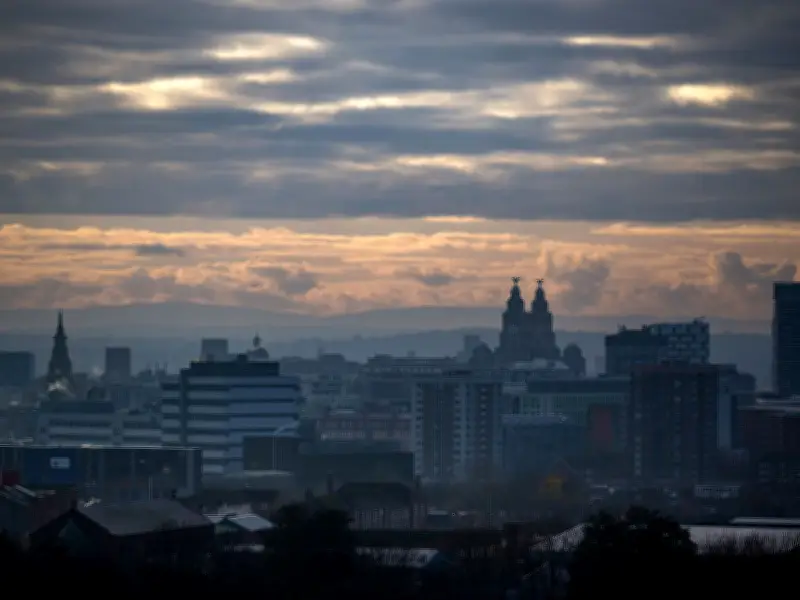
The Liverpool City Region is not affected because it does not have two-tier authorities. All local councils in the region—Liverpool, Wirral, Sefton, Knowsley, St Helens, and Halton—are unitary authorities, meaning a single tier of local government responsible for all services. These six authorities are also under the Liverpool City Region Combined Authority, led by Mayor Steve Rotheram.
Government's Justification for Reform
Steve Reed stated: “This Government is driving the most ambitious programme of local government reform in a generation, replacing the inefficient two-tier system with new unitary councils so that all parts of our country are ready for devolution.” He added that devolving power from Whitehall is needed to rebalance wealth, power, and opportunity across the country, noting that England has seven of the ten poorest regions in Northern Europe despite being the second-richest country in Europe.
The government says the reorganisation is an ongoing process to deliver simplified and more efficient local authorities, reduce wasted spending on bureaucracy, and end the situation where residents deal with fragmented services across county and district councils.