Durham's Cockerel Ban Sparks Outrage Among Allotment Holders
Outrage has erupted across a community in County Durham after cockerels were banned from local allotments following noise complaints about their loud crowing. The Reform-run Durham County Council has prohibited the birds from allotments starting next year, prompting owners to urge a reversal of the ruling amid fears it could lead to a culling of roosters.
Petition Gains Momentum
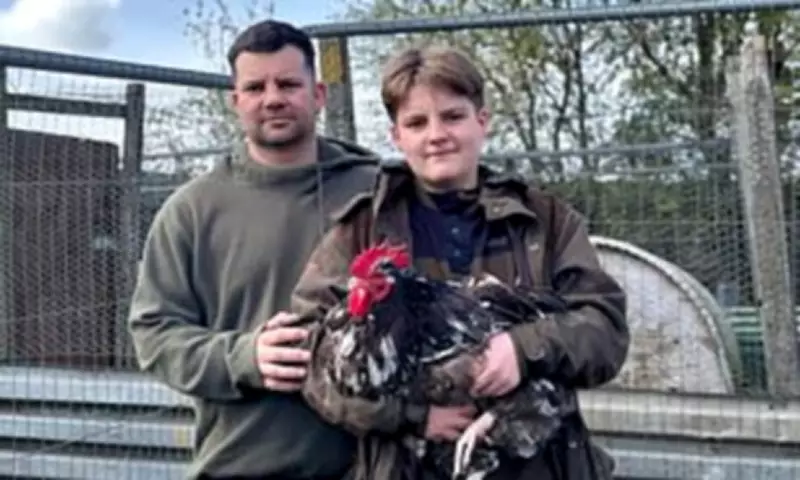
Nearly 1,000 residents have signed a petition to block the ban, compelling the council to promise it would be considering the concerns of those affected. Those who fail to comply face potential eviction by the local authority, a prospect that has galvanised opposition from families like Tom Amos, 41, and his son Tom Barker Amos, 14.
They have kept their rooster Brian on their allotment in Bishop Auckland, County Durham, for all three years of its life. The new policy would end Brian's residency, and the father and son warn that many cockerels like him could face being killed or abandoned on the streets.

Emotional and Practical Concerns
Tom senior said: These cockerels are not just animals; they are an integral part of my life. They have been there through thick and thin, providing joy and a sense of purpose. He added that the recent blanket ban by Durham County Council threatens to tear this cherished aspect of their lives apart.
It was Tom who initiated the petition, defending the rare, native chicken bloodlines they have cultivated for years. The pair keep Orpington chickens, which they describe as quite rare today, and argue that many chickens will die out in the coming years if the council enforces the ban.
Council's Response and Wider Impact
On the petition, Tom wrote: There hasn't been any concrete evidence presented to demonstrate that cockerels are causing any excessive harm or nuisance. He emphasised that instead, they bring vibrancy and a connection to nature that is invaluable, and should not face broad restrictions without proper engagement with plot holders.
He further warned that many roosters affected by the ban would have to be euthanised, as rescuers are already struggling to rehome the birds. Tom continued: The council plots were established with the objective of promoting mental well-being, and for a lot of us, cockerels are a crucial part of that equation.
Other Voices and Historical Context
David Watson, 37, also keeps cockerels in Bishop Auckland and is desperately trying to rehome his birds. Having kept roosters all his life, with nearly 80 different breeds acquired from across the continent, he lamented that all his hard work has gone down the drain due to the ban.
Darlington Bird Rescue has echoed these warnings, stating the blanket ban would increase the rate of dumpings across Durham. Historically, other councils have implemented similar bans, such as Wakefield in West Yorkshire, Rotherham in South Yorkshire, and Mansfield in Nottinghamshire, all introducing restrictions since the pandemic.
Policy Details and Future Considerations
Durham's ban was finalised in March this year and will have a one-year grace period until it comes into effect on March 18, 2027. The council has clarified that cockerels had already been generally prohibited, but the new policy ends exceptions following complaints about noise and nuisance from cockerels.
In response to the backlash, Ian Hoult, the council's neighbourhood protection manager, stated the council would be considering these concerns carefully. The Daily Mail has contacted Durham County Council for further comment, as the community awaits a potential resolution to this contentious issue.