Devon Council's Street Light Cuts Spark Safety Fears for Women and Girls
Devon Street Light Cuts Spark Women's Safety Fears

Devon Council's Street Light Cuts Ignite Safety Concerns Amid £270,000 Savings

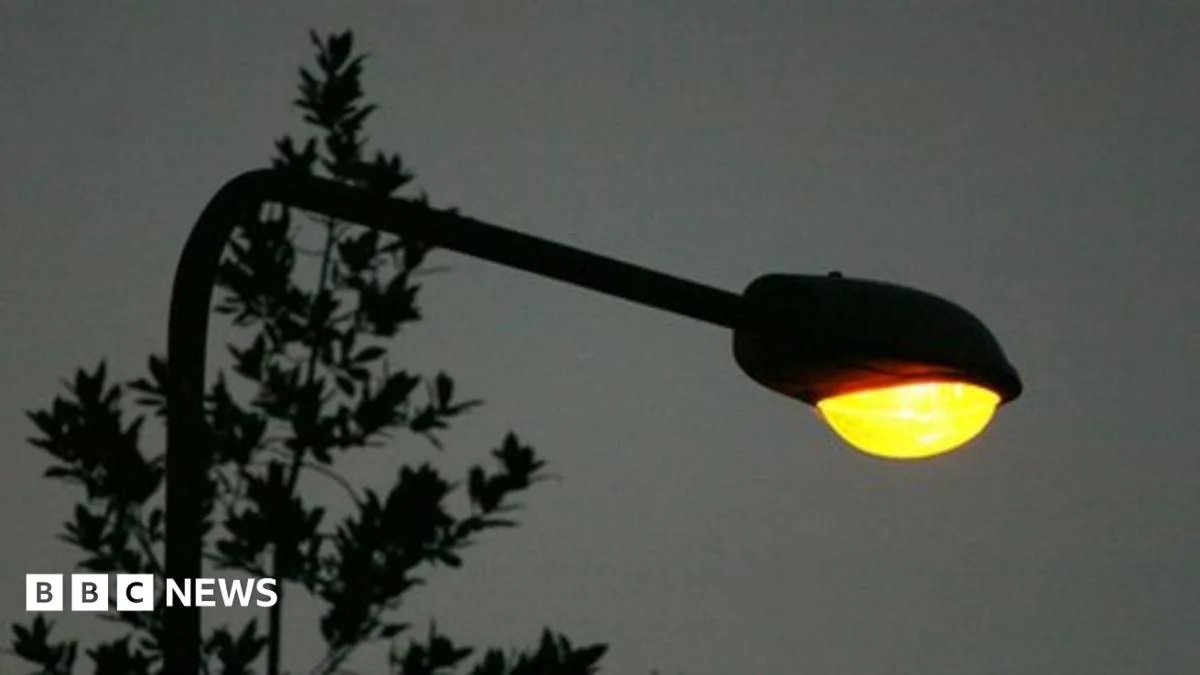
Fury has erupted across Devon as the county council implements permanent early switch-offs and dimming of street lights, a move projected to save £270,000 annually but fiercely opposed by campaigners who warn it jeopardises the safety of women and girls. Following a year-long trial, Devon County Council has approved the initiative, which also aims to slash carbon emissions by approximately 200 tonnes per year.

Widespread Opposition and Petition Surge

Councillors, MPs, and advocacy groups have united in condemnation, arguing the policy could leave vulnerable individuals at risk. This decision aligns with similar measures adopted by other UK councils, including those in Cornwall and the London boroughs of Croydon and Havering. In Devon, opposition has galvanised into a petition with over 1,600 signatures, marking it as the largest presented to the Liberal Democrat-led council in recent years.

Rose Lelliott, a Labour council candidate and Exeter resident who initiated the petition, expressed profound concern. "As a young woman, I felt really scared about it myself," she told the Daily Mail. "It feels pretty much like we're having a curfew put on us—because so many of us have experienced sexual harassment in the streets, walking home at night."

Wide Pickt banner — collaborative shopping lists app for Telegram, phone mockup with grocery list

Detailed Lighting Schedule and Financial Context

Under the new scheme, street lighting varies by area:

  • In Exeter, lights are dimmed to 40% output from 9:30 PM to 12:30 AM, then turned off completely until 5:30 AM, when they return to 40% until 6:30 AM.
  • Market towns see lights at 40% between 8:30 PM and midnight, followed by a switch-off, resuming at 40% from 5:30 AM to 6:30 AM.
  • Rural areas experience dimming to 40% between 7 PM and midnight, with lights off thereafter, and the same morning schedule.

Ms Lelliott criticised the savings as minimal relative to the council's annual budget of £839 million for 2026/27, noting the £270,000 cut represents only about 0.03% of this sum. "It basically feels like these cuts are being made at the expense of our safety," she asserted.

Historical Context and Safety Implications

The debate intensifies in the shadow of Sarah Everard's murder in March 2021, a case that highlighted street safety for women. The Angiolini Inquiry, commissioned after her death, emphasised the critical role of lighting in crime prevention, citing College of Policing data indicating a 21% reduction in all violent crime with improved illumination.

"I want there to have been improvements from Sarah's death and I want us to have learned from that," Ms Lelliott said. "This just feels like a step in completely the wrong direction." She added that women often resort to precautions like holding keys or avoiding dark paths, underscoring the emotional toll of such safety concerns.

Broader Campaigns and Expert Warnings

National campaign groups have echoed these fears, pointing to research on the disproportionate impact of darkened streets on women. A 2022 YouGov poll revealed that 66% of women feel unsafe walking at night at least sometimes, with 26% always feeling unsafe.

Tanya Braun, director of external affairs at pedestrian safety charity Living Streets, warned, "Curbing women's independence when it's dark—which can be early morning or evening in winter—could be really damaging." Isabel Ryall, head of advocacy at Our Streets Now, noted that adequate lighting aids police investigations and CCTV evidence in sexual offence cases, a concern amplified in Devon's rural landscapes where alternative light sources are scarce.

Council Defence and Trial Details

In response to criticism, Dan Thomas, Liberal Democrat cabinet member for highways, defended the scheme. He clarified that the decision followed a "carefully-conducted, year-long pilot" with monitored impact and resident feedback, involving collaboration with Devon and Cornwall Police and Exeter University Student Guild. Mr Thomas emphasised that specialist crime prevention teams focused on violence against women and girls, and no objections in principle were raised by police or the guild, with adjustments made where concerns emerged.

Pickt after-article banner — collaborative shopping lists app with family illustration

The trial, conducted from April last year to March this year, included locations such as Exeter, Abbotskerswell, and Barnstaple, with the council cabinet voting in February to make the changes permanent. Despite assurances, the move continues to spark heated debate over balancing fiscal responsibility with public safety.