

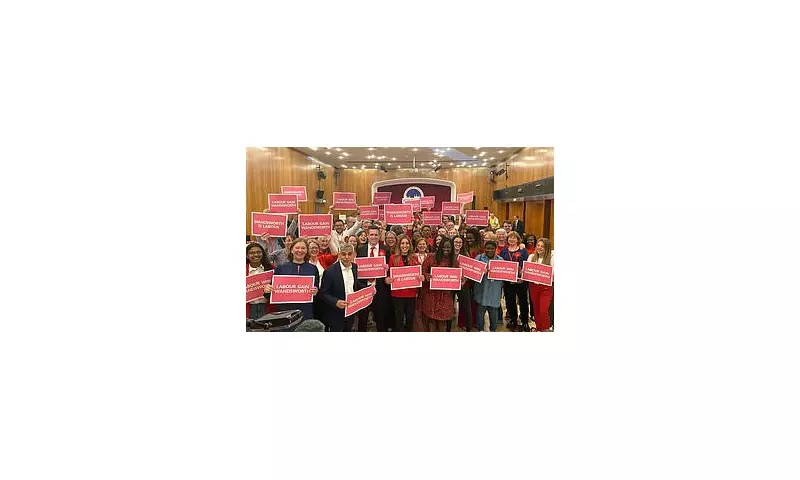
A Labour-controlled local authority has ignited a fierce debate after issuing internal guidance encouraging employees to declare their personal pronouns.
Details of the Council's Pronoun Guidance
Wandsworth Borough Council suggested that staff could state their pronouns at the beginning of meetings. The reported memo also proposed that employees might add pronouns, including gender-neutral options like ‘ze/zir/zem’, to their email signatures and social media profiles.
The council's guidance framed this as a simple step that cisgender people – those who identify with the sex they were assigned at birth – could take. The stated aim was to help make non-binary and transgender individuals feel ‘more seen and recognised’ in the workplace.

The document acknowledged that while many people are familiar with ‘he/him’ and ‘she/her’, awareness is growing of non-gendered pronouns like ‘they/them’ and the less common ‘ze/zir/zem’.
Backlash and Criticism from Campaigners
The advice has prompted a significant backlash, particularly from women's rights organisations. They argue that such policies can pressure staff who do not subscribe to certain beliefs about gender identity.
Fiona McAnena, from the campaign group Sex Matters, strongly criticised the guidance. She described the inclusion of ‘neo-pronouns’ like ‘zi/zir/zem’ as ‘ludicrous’ and so silly it felt like satire.
McAnena urged the council to follow other organisations in withdrawing similar pronoun policies. She stated they ‘discriminate against staff who don’t hold fringe gender-identity beliefs’. This criticism follows a landmark Supreme Court ruling last year which defined a woman based on biological sex.
Council's Response and the Path Forward
In response to the controversy, a spokesperson for Wandsworth Council clarified the nature of the document. They emphasised that the advice is guidance, not a formal policy, and it explicitly states that sharing pronouns is optional for staff.
The row highlights the ongoing and deeply polarised national conversation around gender identity, inclusivity, and free speech within public institutions and workplaces across the UK.






