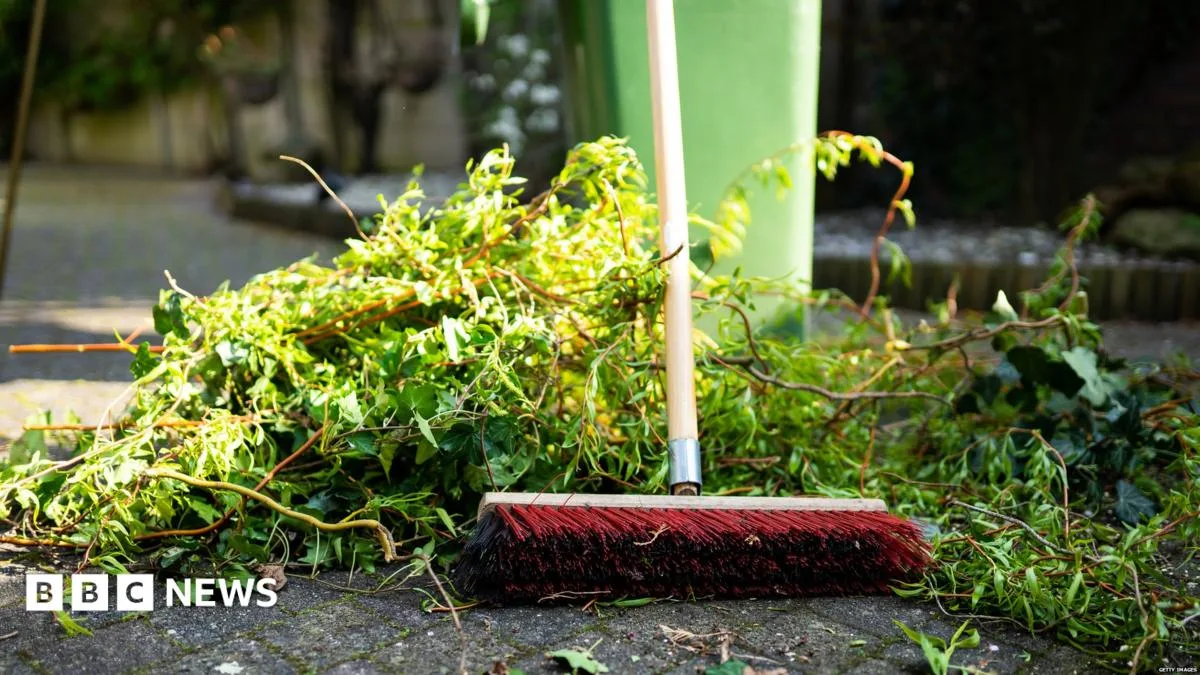
In a decisive move to conserve fuel reserves for critical operations, a regional council in New South Wales has announced the temporary suspension of one of its bin collection services. Upper Lachlan Shire Council will halt its kerbside green waste collection starting Monday, positioning itself among the first councils in the state to implement such a measure in response to ongoing supply pressures.
Council Vote and Leadership Decision
The decision was reached during Upper Lachlan Shire Council's ordinary meeting last week, where councillors were sharply divided. Four members voted in favour of the suspension, while four opposed it, leaving Mayor Mr Culhane to cast the deciding vote. This underscores the contentious nature of the move, balancing fiscal responsibility against community service expectations.
Prioritising Essential Services
Mayor Culhane emphasised that the council's primary concern is safeguarding fuel supplies to ensure uninterrupted essential services. 'This decision was not taken lightly, but it is necessary to protect fuel reserves and ensure essential services to the community continue without disruption,' he stated. He further explained, 'It's easy to be popular and just leave services as they are, but we just think we need to make some hard decisions.'
The mayor highlighted specific worries about fuel shortages impacting core functions. 'What would really concern me is if we did miss out on a fortnightly [fuel] delivery and, for instance, our red bin service around town might have to be suspended if we didn't have diesel,' he said, adding that such a scenario would pose a significant problem for residents.
Alternative Arrangements and Review Process
While the green waste collection is paused, residents in towns like Crookwell, Laggan, and Taralga will have alternative options. They can dispose of domestic green waste—including grass clippings, prunings, and leaves—free of charge at all council transfer stations. The council has committed to reviewing the decision periodically, with plans to resume kerbside collection once fuel supply challenges are alleviated.
Community Backlash and Resident Concerns
Not all community members are supportive of the suspension. Crookwell resident Anne Cummins criticised the council, noting that residents pay for the service without receiving refunds. 'We actually pay for our green waste, and there's been no getting a refund or anything,' she told the ABC. She also raised concerns about increased costs for ratepayers, questioning, 'How many people in our town are then going to use fuel to get to the tip? To me, you're just putting that cost back on the ratepayer.'
Local business owner Courtney Haywood Whipp, who runs Crookwell Nursery, expressed similar frustrations. She explained that her business relied heavily on the green bin collection and now faces logistical hurdles. 'I may need to look at taking my green waste home and potentially burning it off or creating compost there, which would mean double handling,' she said, noting it adds to daily workloads. Despite this, she remains optimistic, stating, 'Hopefully it's a short-lived problem, and we can see the light at the end of the tunnel. In the meantime, we might have to build compost bins.'
Both women also voiced sympathy for older gardening enthusiasts, pointing out that accessing the tip could be difficult for them, potentially exacerbating social isolation or physical challenges.
Broader Implications and Future Outlook
This suspension reflects broader issues in regional areas grappling with resource constraints and the need for adaptive policymaking. By prioritising fuel for essential waste collection and grading services, the council aims to prevent more severe disruptions. However, the backlash highlights the delicate balance between operational efficiency and community satisfaction, with residents feeling the direct impact of council decisions on their daily lives and finances.
As fuel supply pressures persist, other councils in New South Wales may monitor Upper Lachlan Shire's approach, considering similar measures if conditions worsen. The situation underscores the importance of transparent communication and contingency planning in local governance, especially during times of crisis.