

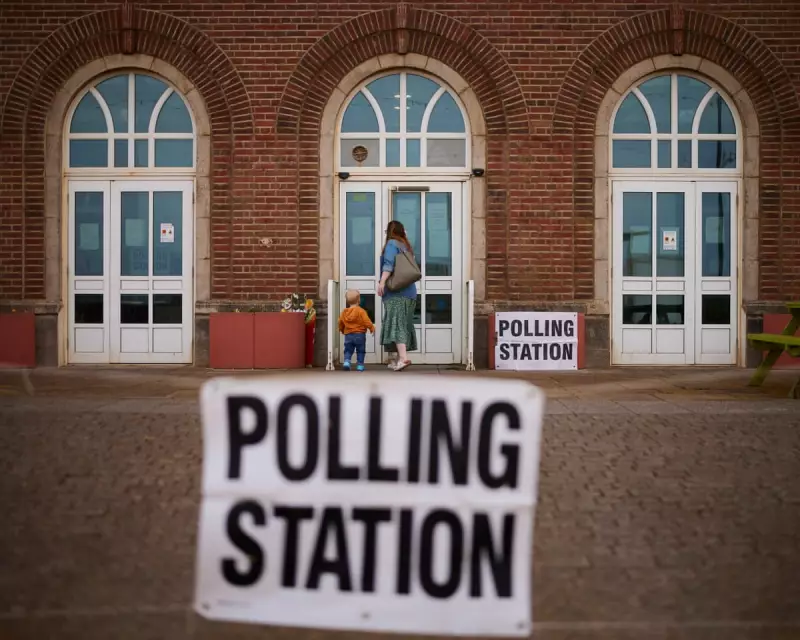
A significant number of local council elections in England are set to be postponed, with more than twenty likely to be delayed until 2027. The move has ignited a fierce debate about the health of local democracy during a major restructuring of how councils are run.
Reorganisation Sparks Widespread Postponement Requests
The delays are a direct consequence of the government's plan to replace the existing two-tier system of district and county councils with new, single-tier unitary authorities. Sixty-three council areas were eligible to request a postponement of their scheduled votes. According to BBC research, twenty-three councils have formally asked to delay their elections ahead of the deadline, while thirty-three will proceed as planned and seven remain undecided.
Ministers are expected to approve the requests imminently. Among the authorities seeking a delay are the county councils of East Sussex, West Sussex, and Suffolk, alongside city councils in Exeter, Preston, and Peterborough. Smaller councils such as Cheltenham, Hastings, Nuneaton and Bedworth, Ipswich, and Redditch have also requested postponements.

Fierce Criticism and Public Unrest
The proposed delays have not been met quietly. Critics argue forcefully that pushing back elections undermines the fundamental democratic process, leaving communities without their regular opportunity to hold local representatives to account. The tension has spilled over into public meetings, most notably in Redditch where police were called to a borough council session this week after insults were traded.
At that meeting, about fifty protesters heckled councillors with cries of "shame on you" and "this is no democracy" as members voted to approve an election postponement. A Labour councillor later apologised for calling a member of the public a Nazi after being called a "scumbag".
Government Defends "Once-in-a-Generation" Change
The government, however, defends the reorganisation as a necessary step. The Local Government Secretary, Steve Reed, has stated that the public would support cancelling what he termed "pointless" elections to "zombie" councils. Writing in the Times, Reed argued that holding elections for councils slated for abolition is a waste of scarce resources that could be better spent on frontline services like fixing potholes and social care.
The government describes the changes as a "once-in-a-generation reorganisation that will transform democratic accountability". The shift to unitary authorities is intended to create more efficient service delivery. The plan also includes introducing six new elected mayoral positions in regions including Cheshire and Warrington, Cumbria, and Norfolk and Suffolk.
The delay means an estimated 600 councillors, including around 200 from the Labour party, could remain in their roles for an extra year without facing the ballot box. Furthermore, elections for four of the new mayoral positions have already been pushed back to 2028.
Last month, the minister for local government reorganisation, Alison McGovern, told the Commons that the government would authorise delays where councils demonstrated "genuine concerns" about their capacity to manage both the reorganisation and an election. With the deadline passed, the final approvals from ministers are now awaited, cementing a prolonged period of unelected authority for many parts of England.






