A Week Without Spotify: My Journey Back to an MP3 Player
I gazed at the device on my dresser with a sense of apprehension. For seven full days, I committed to using an MP3 player for all my music and audio needs, abandoning the familiar comforts of Spotify. Having grown up with iPods in elementary school and later embraced streaming services during my tween years, I had never truly experienced life with a dedicated MP3 player. My Spotify Premium account had logged over 64,000 minutes of listening in recent years, making this switch a daunting prospect.
Since its launch in the US fifteen years ago, Spotify has revolutionised music consumption, offering a frictionless experience with its powerful algorithms. The platform commands approximately 31% of global music subscribers, effectively becoming synonymous with the streaming industry itself. Features like Smart Shuffle, AI DJ X, and mood-based Daylists provide eerily accurate song recommendations based on listening history, while playlists can be sorted by mood, micro-genre, or even beats per minute.
Embracing the Analog Trend
For many in Generation Z, analog alternatives are gaining popularity, moving from niche neo-luddite practices to mainstream trends. From the rise of analog bags to the resurgence of CDs, people are seeking ways to reduce screen time, with the average person spending around six hours daily on smartphones. Music journalist Liz Pelly, author of Mood Machine, noted that avoiding streaming might introduce more friction but could foster a deeper connection with music.

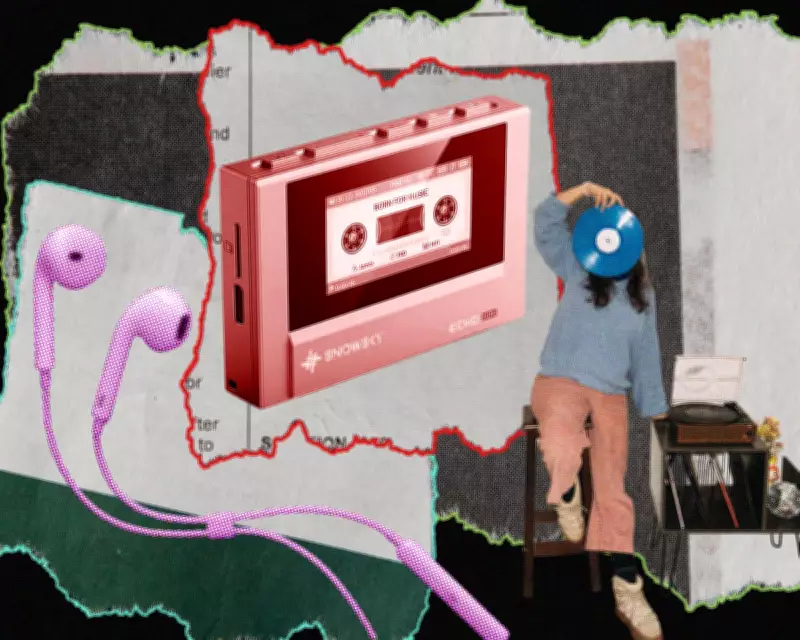
For this experiment, I equipped myself with a beginner-friendly MP3 player from Amazon, praised for its 15-hour battery life, support for multiple audio formats, and retro aesthetic. Paired with classic wired Apple earphones, which are also making a comeback, I aimed to adapt to a world without millions of songs at my fingertips.
The Daily Grind Without Algorithms
On Monday, my usual running playlist was replaced by two albums downloaded from iTunes, with a weekly budget of $50 for songs. I started with Audrey Hobert's upbeat album Who's the Clown, which provided a decent substitute during my run. The MP3 player was lightweight and offered clear sound, but navigating its volume controls proved tricky, and I finished the album before my run ended.
Working from home, I turned to my record player, spinning Bon Iver's For Emma, Forever Ago instead of a curated Spotify playlist. At a coffee shop, I queued up Vince Guaraldi's instrumental jazz album It's the Great Pumpkin, Charlie Brown, finding the process less intuitive than Spotify's interface. Despite the hassle, I appreciated listening to full albums, feeling a renewed connection to long-loved artists.
Tuesday brought challenges on my commute, as I relied on a single NPR podcast episode due to iTunes' lack of podcast purchases. At work, I replayed Guaraldi's album repeatedly, with songs blurring together over time. By Wednesday, I found myself craving my usual podcasts, resorting to watching YouTube vlogs to simulate chatty audio content. Working in silence became a new experience, punctuated by occasional plays of Guaraldi to drown out office noise.
Technical Hurdles and Silent Moments
Thursday presented a technical setback when a downloaded Guardian podcast episode proved incompatible with the MP3 player, leaving me in silence during my commute. I switched between Guaraldi and Florence + the Machine's indie rock track Music By Men at work, but tangled headphones in winter layers added frustration. Friday saw me enduring an eight-mile run with only Hobert's music, now associated with cold weather, and working without background music, which surprisingly eased focus.
Over the weekend, I ventured to Trader Joe's without the MP3 player, enjoying fewer distractions, and cleaned my apartment with Hobert's lyrics until headphone issues arose. By Sunday, I had grown accustomed to silence, listening to Fleetwood Mac's Rumours on my record player and reflecting on the week's lessons.

Reflections on Analog Life
Throughout the week, I rotated between five artists, two albums, and seven podcast episodes, missing the tailored mood-matching of Spotify but discovering a newfound appreciation for jazz. While I likely won't abandon streaming forever—its convenience and discovery features remain appealing—I'm exploring alternatives like Tidal and Radio Garden, or simply playing more full albums on my record player. This experiment revealed that older generations had a point: Spotify isn't the only way to enjoy music, and sometimes, a little silence can be golden.