

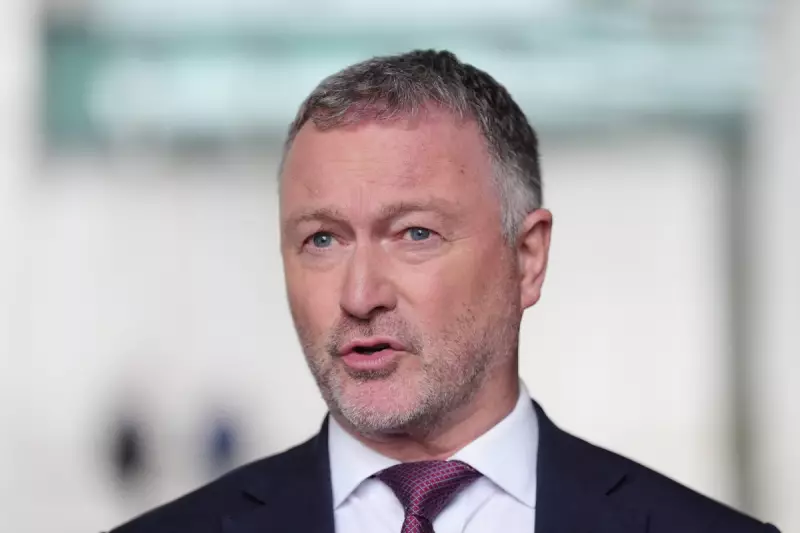
Twenty-nine council elections across England will be postponed this May as part of the Government's comprehensive plan to reorganise local authorities, Local Government Secretary Steve Reed has confirmed to the House of Commons. While the "vast majority" of scheduled polls will proceed as planned in May, these specific postponements come after extensive consultation with affected councils.
Detailed Breakdown of Postponed Elections
Mr Reed told MPs he had "carefully considered arguments made about capacity, reorganisation and democracy" following more than 350 representations from authorities with elections due in May and other interested parties. The minister confirmed his decision to bring forward legislation to postpone 29 elections, extending councillors' terms in affected areas.
Affected Authorities and Areas
Among the authorities where votes will not take place on May 7 are city councils in Lincoln, Exeter, Norwich, Peterborough and Preston. Several district councils will also see postponements, including Cannock Chase, Harlow, Welwyn Hatfield and West Lancashire. County council elections in East Sussex, West Sussex, Norfolk and Suffolk have similarly been delayed.

However, elections will proceed after a one-year delay for voters in certain regions, including those electing councillors to Essex County Council, Hampshire County Council and Isle of Wight Council. Mr Reed emphasised that "of the 136 local elections across England that were scheduled for May, the vast majority will go ahead as planned."
Transition to Unitary Authority System
The postponements form part of broader plans by the Ministry of Housing, Communities and Local Government to end England's two-tier system of local government, where district and county councils handle different responsibilities within the same geographical areas. This system will be replaced with single-tier "unitary" authorities designed to streamline governance.
"Once the new unitary councils are agreed, we will hold elections to them in 2027," Mr Reed explained to Parliament. He defended the approach as necessary to address what he described as previous Conservative inaction on "this problem" of duplication, where taxpayers in some areas fund "two sets of councillors, two sets of chief executives and two sets of financial directors."
Political Reactions and Accusations
The announcement prompted immediate political controversy, with Conservative shadow housing, communities and local government secretary James Cleverly accusing Mr Reed of attempting to score a "political gotcha." Cleverly questioned the minister's consultation process, suggesting pressure had been applied to councils to request cancellations.
"It is clear what he wants – he wants to cancel all these elections," Cleverly asserted. "Why did he write to councils asking them to ask him to cancel the elections? And why, when they didn't give him the answer that he wanted, did he write to them again asking basically the same question?"
Mr Reed firmly rejected these accusations, stating he had "imposed nothing" and had pursued a "locally-led approach." He countered: "To those who say we've cancelled all the elections, we haven't. To those who say it's all Labour councils, it isn't. I've asked, I've listened, and I've acted. No messing about, no playing politics, just getting on with the job of making local government work better for local people."
Ongoing Considerations and Future Timeline
The minister revealed he had received one further representation on the morning of his announcement and would consider it before reporting back to the House. He noted that elections would proceed as planned in areas where councils "offered no evidence that it would delay reorganisation in their areas."
This significant restructuring of English local government represents one of the most substantial changes to council organisation in recent years, with the postponed elections forming a transitional element in the move toward more streamlined unitary authorities across much of the country.






