
US forces have launched a fresh round of strikes against Iran on the orders of Donald Trump. The president had earlier threatened to carry out further attacks as he branded the Tehran regime “scum” and “dishonourable”.
Speaking at the Nato summit in Turkey, Mr Trump declared that the interim ceasefire was over, following the latest flare-up in the Middle East, which has again led to a spike in oil prices.
Renewed hostilities in the Strait of Hormuz
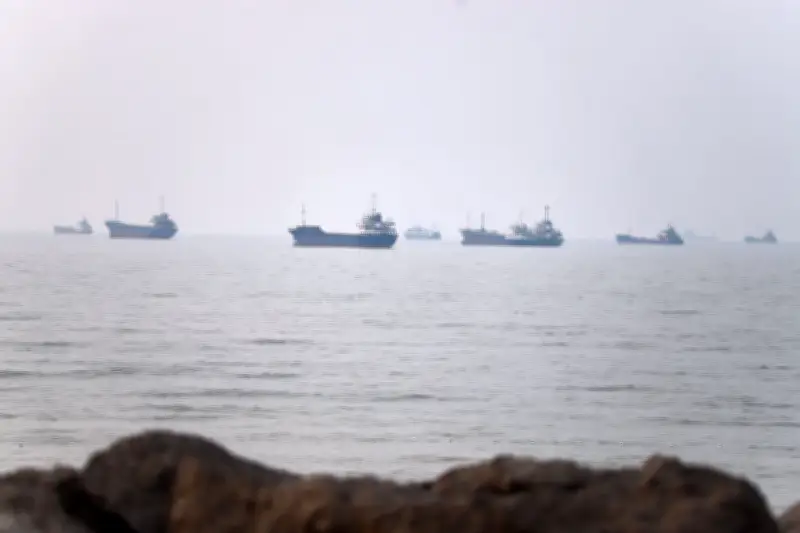
Renewed hostilities broke out on Tuesday after Iran targeted three tankers in the vital Strait of Hormuz waterway, which remains a flashpoint in the fragile truce. The US hit more than 80 targets while Iranian forces retaliated by attacking American military sites in the Gulf.
As Mr Trump started his journey home from Ankara on Wednesday, the American military said in a statement: “At the direction of the commander in chief, US Central Command forces have started conducting additional strikes against Iran to further degrade their ability to threaten freedom of navigation in the Strait of Hormuz.”
“The United States is holding Iran accountable for recent unjustified aggression against commercial shipping and civilian crews freely navigating a vital international waterway.”
Trump's threats and Iranian defiance
The latest exchange of fire threatens to again disrupt shipping transiting the Gulf channel and cause difficulties in securing a permanent end to the conflict, launched by the US and Israel on February 28. Asked earlier about the status of the interim ceasefire deal, Mr Trump said: “I think it’s over. I don’t want to deal with them any more. They’re scum.”
“They’re sick people. They’re led by sick people and they’re vicious, violent people. And if they had a nuclear weapon, they’d use it.” However, he said he would allow negotiations to continue. Mr Trump later added: “We hit them very hard last night. We’ll probably hit them hard again tonight.”
The president also repeated his threat to destroy bridges, water treatment plants and power stations. And he suggested the US could reimpose its blockade of Iranian ports, which had previously been lifted, having already pulled Tehran’s licence to sell oil.
But in a defiant post on X, Iranian parliament speaker Mohammad Bagher Qalibaf said: “The era of bullying and extortion is over. It leads nowhere. We don’t fold.”
Impact on global oil prices and UK
Meanwhile, Sir Keir Starmer has called for a return to the ceasefire and warned UK household bills would likely be hit unless the situation improved. Ending Tehran’s stranglehold on the Strait of Hormuz, which disrupted global oil and gas supplies and drove up fuel and food prices, had been a key demand in previous negotiations.
However, the initial deal reached between the US and Iran only secures safe, toll-free passage of the waterway for 60 days, pending the outcome of a final agreement on Tehran’s disputed nuclear plans. The pact also leaves it to Iran and Oman, in conjunction with other Gulf states, to “define the future administration and maritime services in the Strait of Hormuz”. In the meantime, Iran has continued to try to exert leverage over the channel, including demanding ships seek permission to transit and raising the spectre of future charges.




