

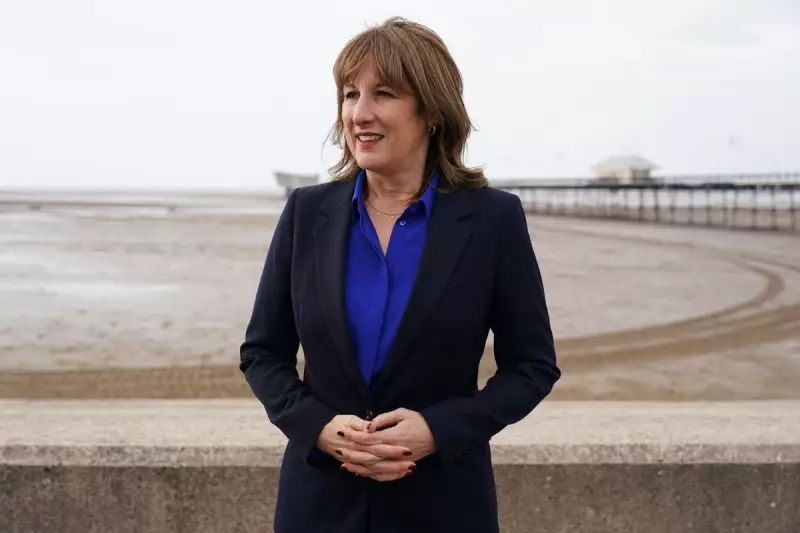
Chancellor Rachel Reeves has sparked a major political row by definitively ruling out a second Scottish independence referendum, regardless of the outcome of next year's Holyrood election.
The Labour minister stated unequivocally that there will not be another referendum on Scotland's future within the United Kingdom, even if the Scottish National Party secures a majority in the Scottish Parliament next May.
Labour's Firm Stance on Independence
Speaking on BBC Radio Scotland's Breakfast programme on Thursday 27 November 2025, Ms Reeves drew a line under the independence debate. She reminded listeners that the 2014 referendum was described by the SNP itself as a 'once-in-a-generation' event.

'I'm going to be very clear, there won't be another referendum,' the Chancellor declared. 'When there was a referendum just a few years ago it was said that this was a once-in-a-generation referendum. People gave their verdict then, we don't need another one.'
When pressed on how long a generation might be, Ms Reeves was equally direct, stating: 'Certainly not 12 years.'
SNP's Fury and Accusations of Arrogance
The Chancellor's comments triggered an immediate and angry response from the Scottish Government. Scottish Finance Secretary Shona Robison accused Ms Reeves of displaying 'an astonishing level of arrogance'.
Ms Robison insisted that Labour's position would be unsustainable if the SNP, led by First Minister John Swinney, wins a majority in the Holyrood election next year.
'I don't believe it will hold, it can't hold,' Ms Robison stated during her own BBC Radio Scotland interview. 'This is a Labour Government that is now one of the most unpopular that we have seen in history and they are telling the Scottish people that they can't decide their own future.'
She argued that this stance would further damage Labour's standing in the polls, calling it an 'astonishing display of arrogance'.
Clash Over Precedent and Priorities
The dispute centres on a fundamental disagreement about democratic mandates. The SNP maintains that its victory in the 2011 Holyrood election established a precedent, leading directly to the 2014 independence vote.
However, Chancellor Reeves shifted the focus to domestic issues, arguing that the Scottish Government should concentrate on public services rather than constitutional debates.
She urged the administration in Edinburgh to focus on 'the priorities of the Scottish people', specifically highlighting the need to reduce high NHS waiting lists, improve educational outcomes, and invest in Scottish infrastructure.
This confrontation sets the stage for a bitterly contested Holyrood election campaign, with the future of the Union once again at the heart of Scottish political debate.






