
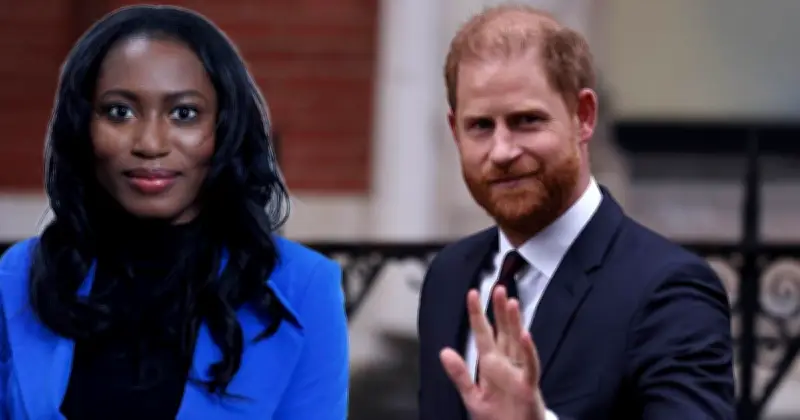
Prince Harry's multi-million pound privacy claim against Daily Mail publisher Associated Newspapers has been thrown out at the High Court. Mr Justice Nicklin dismissed all 97 claims of illegal information gathering brought by the Duke and his fellow claimants, which included Sir Elton John, Elizabeth Hurley and Baroness Doreen Lawrence. The claimants accused the paper of unlawfully gathering information through phone hacking, tapping and blagging, but the judge found they had leaned heavily on "inference" and warned that "suspicion, even where understandable, was not enough".
Judge’s Scathing Verdict
The judge's verdict was scathing, noting that feeling one's privacy must have been invaded is not the same as showing it was. The one claim with any potential technical merit, brought by Sadie Frost and Sir Simon Hughes, had run out of time to sue. Harry, who has previously cast himself as a slayer of media dragons after wringing settlements out of other newspaper groups, finally picked a paper that stood and fought—and it won.
Irony of Harry’s Complaint
Harry wrote a memoir detailing his frostbitten nether regions and his Taliban kill count, then marched into a courtroom to complain his privacy had been violated. The irony is incredible, but the bigger point is why the rest of us should care that a mouthy prince lost an expensive court case. Harry's case was an assault on the free press masquerading as a victims' crusade.
Real Goal: Leveson 2.0
The litigation was backed by the campaign group Hacked Off and part-funded by the estate of the late Max Mosley. Their barrister name-checked the Leveson Inquiry 55 times as he wrapped up his case, revealing the real prize: Leveson 2.0 and state regulation of newspapers. Had they won, every editor in Britain would have been put on notice.
Government’s Media Green Paper
Just last month, the Government published a media green paper titled "Watch This Space", proposing to force social media platforms and video-sharing sites to give greater prominence to the BBC and other public-service broadcasters, waved through as inherently "trusted" and "reliable". Local and national newspapers might be included later if judged sufficiently trustworthy. This is concerning because someone, somewhere, gets to decide what counts as trustworthy.
Future of Press Freedom
The paper was one of the last from Keir Starmer’s dying days in office and now looks set to land on Andy Burnham’s desk, with rumours swirling that he’s being lobbied to bring back Leveson. The consultation runs until the end of August, and ministers insist they'd prefer platforms to comply voluntarily. However, a state that gets to anoint which news you see first has quietly made itself editor-in-chief of the nation.
The people who wanted the Mail muzzled are the same people who want the BBC bumped to the top of your feed. They all want a media that flatters power rather than scrutinises it. A free press is an irritant, and it's meant to be—it exposed Angela Rayner's unpaid stamp duty and Nigel Farage's banking troubles. Harry's defeat is a welcome reminder that money and celebrity can't always buy silence, but the people who want a tamer, more obedient press haven't gone anywhere.




