
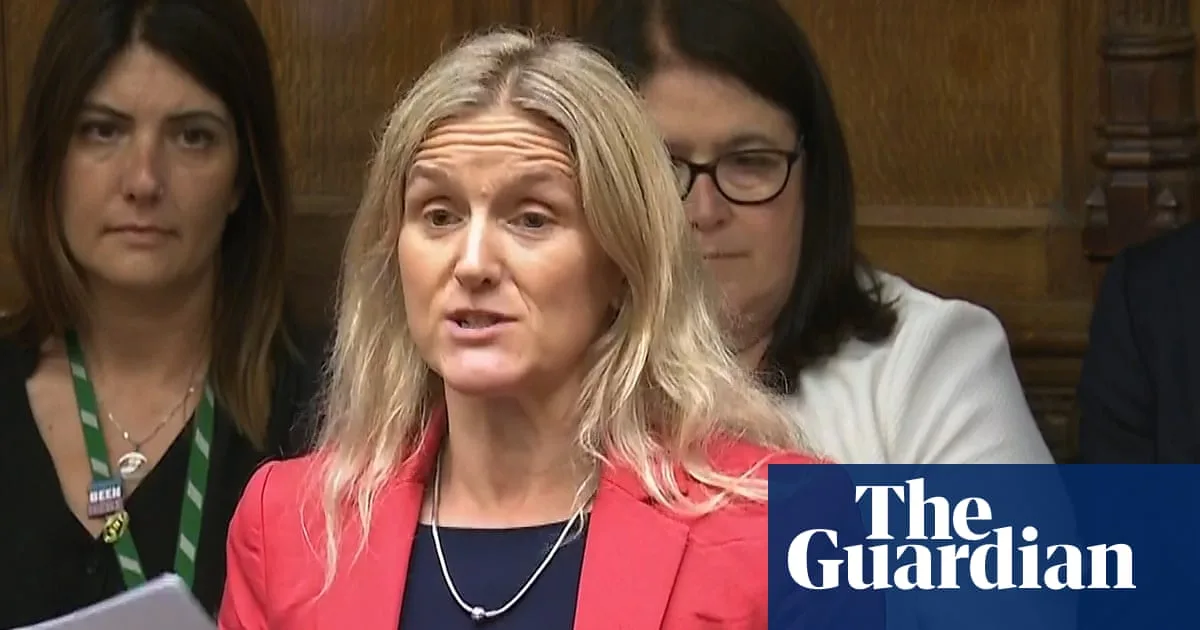
Kim Leadbeater, the MP leading the assisted dying bill through Parliament, has accused members of the House of Lords of tabling 'totally unnecessary' and 'very cruel' amendments in an attempt to thwart the legislation. Speaking on Friday, she warned that over 1,150 amendments have been proposed, many of which are designed to run down the clock and prevent the bill from passing before the end of the parliamentary session.
Leadbeater singled out three amendments as particularly harsh: one that would deny assisted dying to anyone who had travelled abroad in the previous year, another that would screen family members for financial impropriety, and a third that would require assisted deaths to be filmed. She described the recording proposal as 'incredibly intrusive and heartless'.
The bill, which passed the Commons in June, has become bogged down in the Lords. After three days of committee-stage debate, peers have only covered 80 of the more than 1,150 amendments. Supporters fear there will not be enough time to debate the remaining amendments before the session ends, putting the bill at risk of collapse.
Cross-bench peer Elizabeth Butler-Sloss, who opposes the bill, warned colleagues that there is 'the perception that we are being unreasonable'. She urged peers to ensure the bill reaches third reading, saying failure to do so could 'irreparably erode' the reputation of the upper house.
Opponents argue that lengthy scrutiny is normal for such a complex issue and that amendments are needed to address concerns about coercion. Tanni Grey-Thompson, who proposed several amendments, said they are intended to improve the bill and protect terminally ill people from being pressured into ending their lives. Meanwhile, Labour peer Charlie Falconer hinted at further concessions, including 'enhanced protections' for people with impaired mental capacity.




