
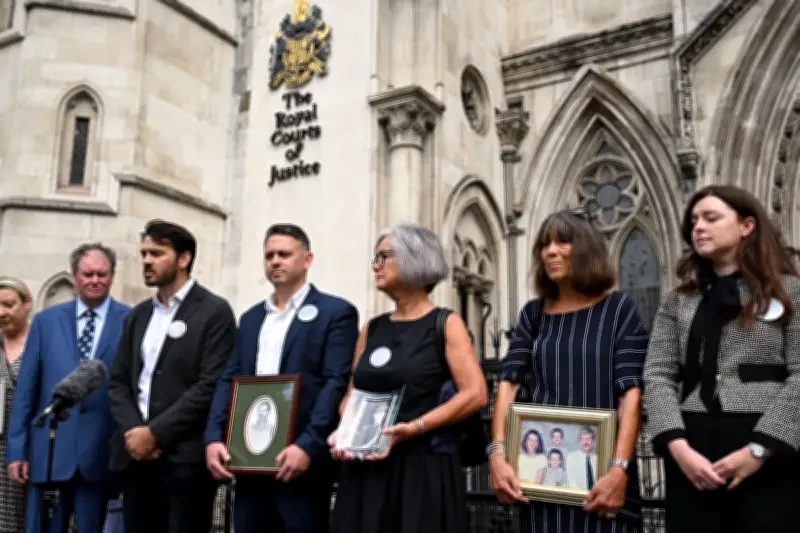
A High Court judge has ruled that the families of victims of the 1994 RAF Chinook helicopter crash cannot bring a legal claim against the Ministry of Defence (MoD). The Chinook Justice Campaign (CJC), representing over 55 family members of 25 of the 29 victims, sought to challenge the MoD over an alleged ongoing failure to conduct an independent and effective investigation into the crash.
Background of the crash
The Chinook HC-2 helicopter crashed into the Mull of Kintyre in south-west Scotland on June 2, 1994, killing all 29 military personnel on board. The aircraft was transporting 25 intelligence experts and four special forces crew from RAF Aldergrove in Northern Ireland to Fort George near Inverness when it crashed in foggy weather.
An initial inquiry blamed the pilots, but the 2011 Mull of Kintyre review overturned that decision. However, the review did not determine the cause of the crash, leaving families seeking further answers.
Legal arguments
Lawyers for the CJC argued in the High Court on Tuesday that information about the Chinook's airworthiness raised a more than arguable claim that victims were placed on an aircraft known to be unsafe. The MoD opposed the challenge, arguing it was brought too late and that a new investigation would not serve a practical purpose.
Mr Justice Butcher refused to allow the claim to proceed, finding it had been brought too late. He stated: "It is right to say at the outset that the crash of the Chinook with the loss of 29 lives was a tragedy of a dimension which it is difficult to describe. The pain of bereavement and the agony of loss of the families and friends of those who perished remains, I have no doubt, enduring and bitter. My task today, however, is to apply the recognised legal tests to the particular type of claim that the claimant seeks to make."
Judge's reasoning
The judge noted that the CJC could have known of a potential breach of the MoD's obligations from the conclusion of the 2011 review. He said "cogent grounds" would be needed to justify allowing the claim more than 14 years later, but no such grounds were shown. Relatives in court shook their heads as the ruling was delivered.




