
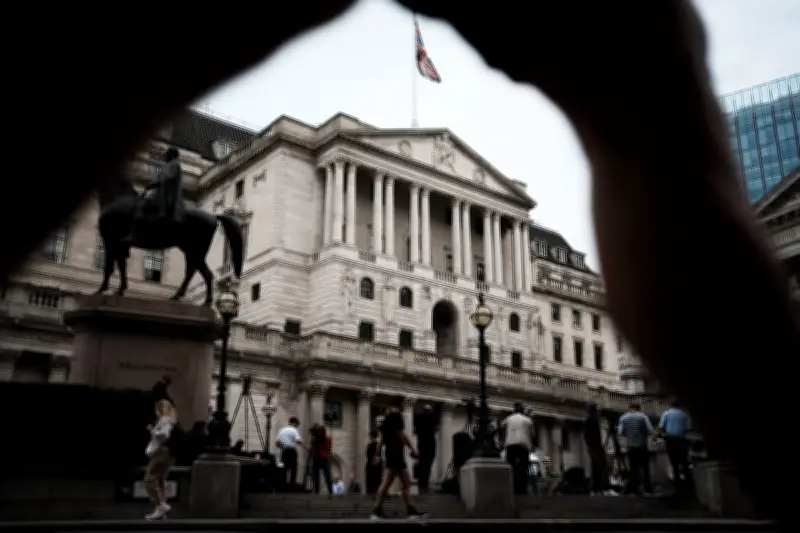
The Bank of England has instructed UK banks and private credit firms to conduct stress tests against a "severe but plausible" scenario of a deep global recession. This move follows warnings about the potential threat the private credit market poses to the broader economy.
Stress Test Details
A group of 46 firms active in private credit and private equity, including banks, pension funds, insurers, and asset managers, will participate. They must model the impacts of a hypothetical global macroeconomic shock lasting five years, characterized by disrupted supply chains, a shortage of tech hardware components, and sharply rising energy prices.
Under this scenario, the UK would experience inflation rising to 7%, interest rates hiked to 7%, and unemployment peaking at 7.5%. The technology sector would be severely impacted, with AI development hindered by higher energy costs and hardware shortages.
Timeline and Purpose
Interim findings from the first stage of testing will be shared later this year, with a final report due in 2027. The Bank emphasized that the scenario is purely hypothetical and not a forecast, but the stress test aims to identify risks in the private credit market, which has faced less regulation than traditional banking.
Total assets in private credit and equity funds have surged to $11 trillion (£8.3 trillion) over the past decade, raising concerns. Recent collapses of US firms like First Brands and Tricolor have highlighted potential vulnerabilities.
Understanding Private Credit
Private credit involves businesses borrowing from private companies instead of banks, while private equity typically involves financing in exchange for a stake in a business.




