
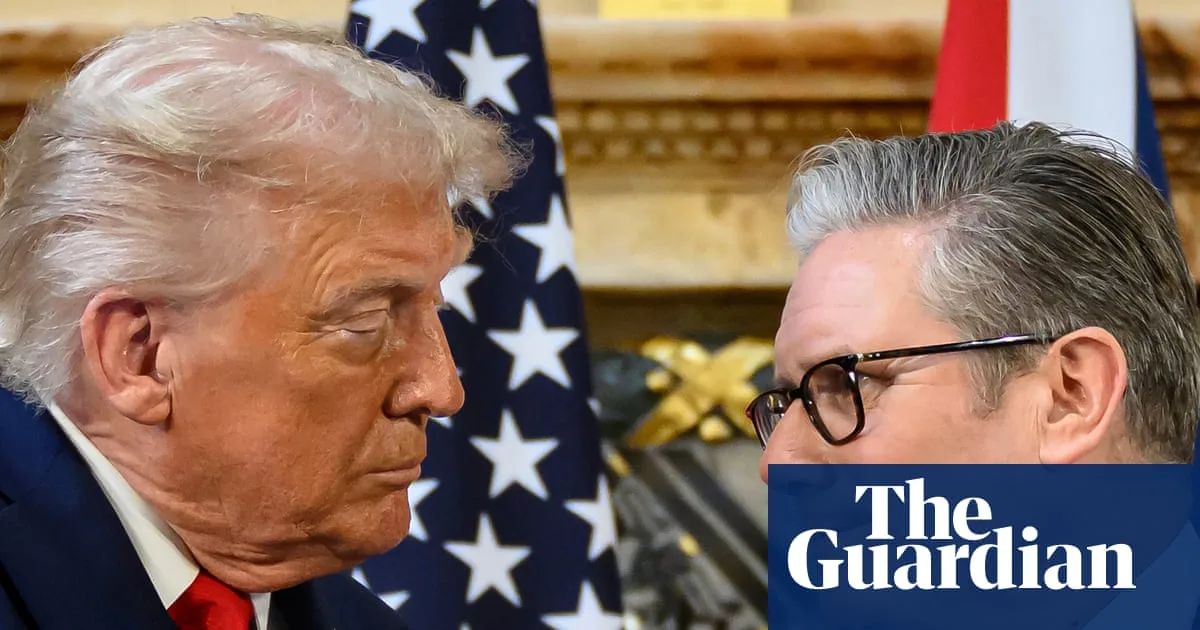
Donald Trump has warned that the US-UK trade deal signed last year could be changed, as he accused Britain of failing to support American military action in Iran. In an interview with Sky News, the US president said the special relationship was in a 'sad state' and that the agreement, which cut tariffs on cars, aluminium and steel, was 'better than I had to' give.
Trump's comments come amid growing tensions between the two allies over the US decision to go to war with Iran, which UK ministers fear could trigger a global recession. Chancellor Rachel Reeves said she was 'frustrated and angry' at the US strikes, while Prime Minister Keir Starmer said he was 'fed up' with rising energy bills caused by the conflict.
In his interview, Trump repeated criticisms of UK energy and immigration policies, calling them 'insane' and 'destroying your country'. He also suggested a permanent ceasefire with Tehran could be reached before King Charles's state visit to the US later in April, saying Iran was 'beaten up, pretty bad'.
Downing Street sought to downplay the rift, with Starmer's spokesperson insisting the special relationship was 'far bigger than any individual issue'. However, Starmer has increasingly leaned towards the EU, arguing that closer ties with the bloc are 'simply too big to ignore' given US unreliability.
Reeves, in Washington for IMF meetings, is set to meet US Treasury Secretary Scott Bessent, who said 'a small bit of economic pain' from the Iran war was justified. The IMF has cut UK growth forecasts due to the conflict, but Bank of England Governor Andrew Bailey said Britain's resilient banking system meant it was well placed to cope.




