

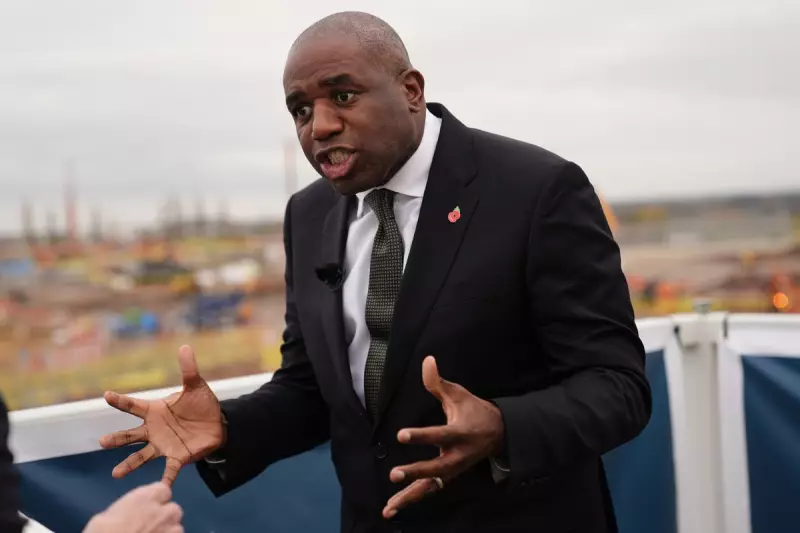
Deputy Prime Minister David Lammy has ignited a fresh debate on Britain's post-Brexit future by suggesting that rejoining the European Union's customs union could be a path to stronger economic growth. His comments come as senior Labour figures increasingly voice concerns over the financial damage caused by leaving the EU.
Ministers Break Ranks on Brexit Damage
In a revealing interview on the News Agents podcast, Mr Lammy, who also serves as Justice Secretary, pointedly refused on seven separate occasions to rule out a future reversal of Brexit. He argued that the decision to leave the European Union had severely damaged the UK's economic prospects and that his party should actively consider closer integration with Brussels.
This stance finds support in official forecasts. The Office for Budget Responsibility (OBR) has projected that leaving the EU will reduce the UK's long-run productivity by 4 per cent, a significant drag on growth and living standards.

Growing Chorus Within Labour for Closer Ties
Mr Lammy is not a lone voice. Before the recent Budget, Chancellor Rachel Reeves stated that Brexit's impact on the economy had been even more severe than critics initially predicted. She attributed part of the UK's economic challenges to "needless" costs added to businesses since the 2016 referendum.
Health Secretary Wes Streeting added to the pressure on Wednesday, declaring that Labour should work to undo "the economic damage done by Brexit". Furthermore, reports suggest that Baroness Shafik, Sir Keir Starmer's chief economics adviser, and other senior figures close to Number 10 are also advocating for stronger links with the EU.
Policy Tension and Public Rebuke
Despite this mounting internal pressure, the government's official line remains unchanged. Labour's manifesto explicitly pledged not to rejoin the EU's single market or customs union. Mr Lammy was careful to note that rejoining the customs union is "not currently our policy", but he made the economic case by pointing to countries like Turkey, which he said had seemingly benefited from such an arrangement.
He added that his remarks were made under "collective responsibility", implying he would ultimately adhere to the Prime Minister's position. This nuance did not prevent a public rebuke from Darren Jones, Sir Keir's chief secretary, who told the Commons that Labour's policy would be announced in Parliament, not "on podcasts".
The episode highlights the ongoing tension within the Labour government between its stated manifesto commitments and the growing clamour from its own ministers and advisers to address the economic fallout of Brexit more directly, especially in light of persistently poor growth forecasts.






