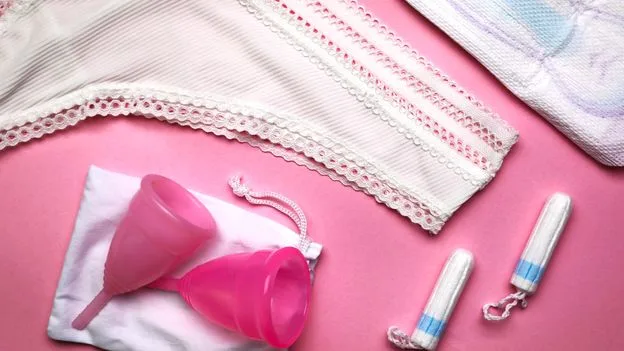
Forty-nine billion disposable period products are used every year in Europe, with 20 billion discarded annually in the US, generating 240,000 tonnes of solid waste. A new life-cycle assessment of menstrual products across four categories – disposable non-organic and organic pads and tampons, reusable pads, period underwear, and menstrual cups – reveals which option is kindest to the planet.
The study, conducted by academics in France and the US across three countries, compared eight environmental impact indicators including global warming potential, water use, and ecotoxicity. Menstrual cups emerged as the clear winner, followed by period underwear, reusable pads, and finally single-use pads and tampons. Cups, made from silicone or rubber, can last up to ten years and hold 20-30ml of menstrual blood.
One surprising finding was that organic cotton pads had the highest environmental impact in five categories, even surpassing non-organic pads. Co-author Mélanie Douziech from Mines Paris-PSL university explained that organic farming yields less cotton per hectare, requiring more land and water. For disposable products, plastic raw materials and manufacturing are the main contributors to emissions, while for reusables, washing and electricity use during the use phase matter.
Period underwear performed better than reusable pads, partly because another pair of underwear would be washed anyway. The study did not consider plastic pollution, but noted that each conventional pad adds about 2g of non-biodegradable plastic – equivalent to four plastic bags. Douziech recommends washing reusables at lower temperatures and in full loads to reduce overall impact.