For years, countless women have diligently applied a daily moisturiser without ever scrutinising the complex list of ingredients on the bottle. Others have tried to understand the labels, only to be baffled by the lengthy, scientific terminology, leaving them uncertain about what they are actually putting on their skin.
Cracking the Code on Cosmetic Labels
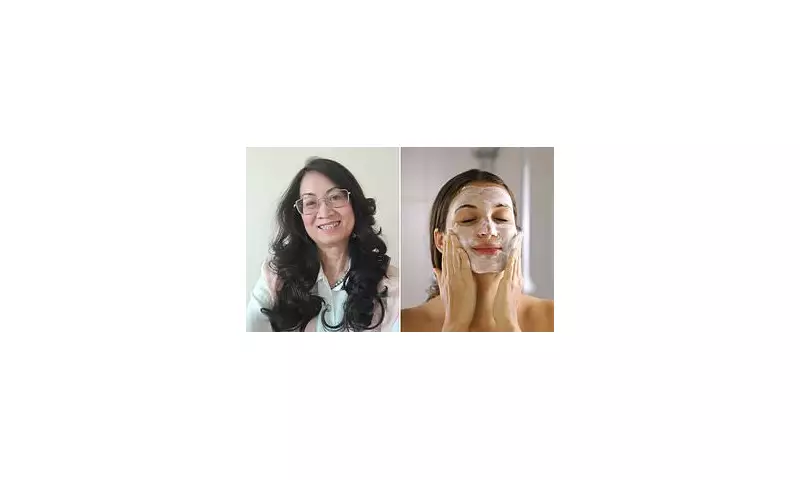
Thankfully, Georgina Tang, the founder of the beauty brand YNNY, has offered her exclusive expertise to the Daily Mail, providing clear guidance on how to decode these perplexing product labels. "I spend every day studying ingredients and I created all the unique product formulas for my company," she explained. Tang has broken down the key steps to understanding what is in your beauty products, demystifying scientific terms and highlighting which chemicals your skin will love and which ones you should avoid.
Start with the Order of Ingredients
The first and most crucial step, according to Tang, is to examine the order in which ingredients are listed. The primary ingredient will always appear first, while the last few components on the list are typically present in minuscule amounts of one percent or less. "If you see a long list of ingredients it could mean that most of them are added in such tiny amounts that they’re not very effective," she cautioned. She advises opting for products with a shorter, simpler ingredients list, as they are often more targeted and make it easier to identify what is actually working for your skin. Don't be surprised to find that water (often listed as aqua) is the main component in your moisturiser, as Tang revealed a standard cream contains between 60 and 75 percent water.

Understanding the INCI Naming System
Tang clarified that the beauty industry uses a standardised global system for naming ingredients called the International Nomenclature of Cosmetic Ingredients (INCI). This system employs scientific and botanical names, many of which are Latin. This is why a cream packed with natural oils can read like a chemistry textbook. For instance, caprylic/capric triglyceride might sound intimidating, but it is simply the scientific name for a type of coconut oil.
She also explained the essential role of emulsifiers and preservatives in quality creams. Emulsifiers are crucial molecules that allow oil and water to mix, creating a stable, rich formulation that doesn't separate. Common examples include emulsifying wax, polysorbates, and glyceryl stearate. As most face creams are water-based, preservatives like phenoxyethanol are necessary to prevent bacterial growth and extend shelf life, a feature found even in luxury lotions.
Key Ingredients to Seek and One to Avoid
Tang emphasised that a high price tag does not always guarantee superior performance. "Sometimes you're paying for the packaging, marketing or the name rather than the formulation itself," she said, noting that effective ingredients like hyaluronic acid and niacinamide are widely available at affordable prices.
She detailed the benefits of different oils: light oils (e.g., sweet almond) for easy absorption; heavy oils (e.g., avocado) for dry skin; and medium oils (e.g., rosehip) for mature skin due to their collagen-promoting properties.
Look for these beneficial ingredients:
- Herbs and floral waters like rosemary (for oily skin) or rose (for reducing redness).
- Shea butter, a highly moisturising, multi-purpose ingredient good for eczema and providing slight sun protection.
- Coenzyme Q10, a powerful antioxidant that fights free radicals and promotes collagen production.
However, Tang issued a clear warning to be wary of moisturisers containing alcohol denat. "It can be irritating and disrupt the skin barrier," she explained. This cheap solvent can strip natural oils, causing dryness, redness, and sensitivity, and should be avoided by those with sensitive or acne-prone skin.