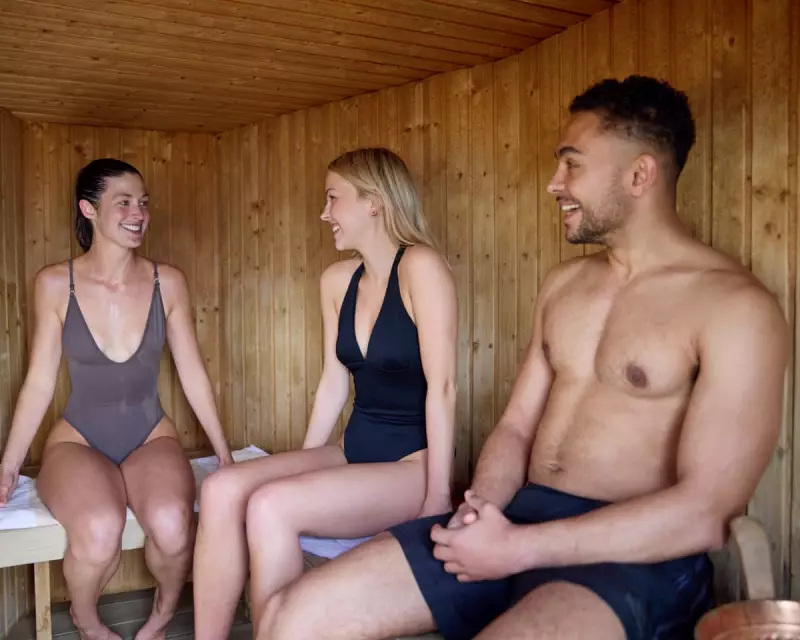
Move over, pub garden. In 2026, the hottest place to meet friends in the UK isn't the local – it's the sauna. What was once considered a niche activity for health enthusiasts or a quirky Icelandic tradition has exploded into a mainstream social phenomenon, challenging the age-old British institution of the boozy pub catch-up.
The Rise of the Sober Social Scene
Guardian columnist Zoe Williams, initially sceptical, noted the trend when multiple friends became involved with sauna clubs. Her firsthand experience revealed a cultural shift: people are now serious about wanting to connect without the influence of alcohol. This represents a logical endpoint in a slow evolution of social habits, moving from alcohol-free beers and coffee meetings to the Covid-era walking rendezvous, and now to the heat of the sauna.
The rules of engagement in this new social sphere are distinct. Despite sitting in close proximity, motionless and with no distractions, deep personal interrogation is off the table. You cannot ask strangers why they are there, how they know each other, or if they are in love. The experience forces a different kind of presence, one based on shared, quiet endurance rather than liquid courage.

Wellness Without the 'Self-Improvement' Agenda
This trend also signals a departure from the relentless pursuit of quantified self-improvement. As Williams observes, the traditional conflation of self-care with measurable goals like weight loss or altering your muscle-to-brown-fat ratio is fading. People are not primarily visiting saunas for their anti-inflammatory benefits or physical transformation. Instead, the core appeal is simpler and more profound: it just makes you feel zen. The pursuit of a calm state of mind is now a valid and sufficient reason in itself.
A New Chapter for British Socialising
The implications are significant for the UK's social fabric. The pub has long been the default venue for community and conversation, but the sauna offers a compelling, alcohol-free alternative. It provides a dedicated space where the explicit purpose is to be together without the option of drinking, lest you risk fainting from the heat.
While Zoe Williams herself isn't fully committing to this "new, wiser way of life," she concedes that those embracing it seem to be on to something meaningful. The booming popularity of saunas suggests a growing public appetite for connection that is intentional, present, and sober – a quiet revolution in how Brits choose to spend time together.