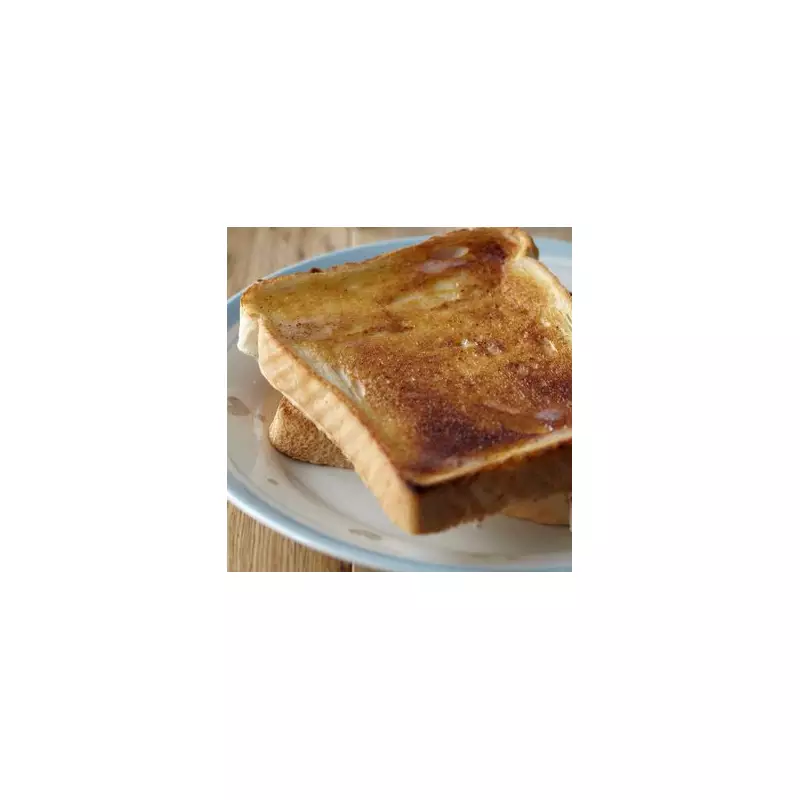
A seasoned midwife has provided a detailed explanation for one of Britain's most cherished maternity traditions - the serving of tea and toast to new mothers immediately after childbirth. Angie, who has worked as a practicing midwife for eleven years, shares regular advice for expectant mothers on social media platforms, helping them prepare for pregnancy, labour and the postnatal period.
The Enduring Tradition of Post-Birth Refreshment
In recent years, the simple act of receiving tea and toast has evolved into something many mothers eagerly anticipate, with numerous women describing it as "the best meal of their life" despite its apparent simplicity. This tradition applies to mothers who have given birth both vaginally and via caesarean section, with hospitals across the United Kingdom maintaining this comforting ritual.
Three Compelling Reasons Behind the Custom
Angie addressed potential criticisms about the meal's nutritional value by outlining three logical explanations for why tea and toast remains the preferred first meal over more nutritionally complete options containing fruits and vegetables.

"Tea and toast is like one of those British traditions that we have the moment we've had our babies," Angie explained. "And I know that there'll be lots of people who will come up and say it's not nutritionally the best meal, but let me give you three reasons why it's just fabulous."
Energy Restoration Through Carbohydrates
The first reason centres on immediate physical recovery. "So number one is your body has just birthed a baby, your uterus is basically climbed Everest going through labour and birth, or it's been through major surgery," Angie stated. "And having that tea and toast provides carbohydrates."
She elaborated that adding sugar to tea provides an energy boost crucial for new mothers who need to care for their newborn, potentially breastfeed, and begin the recovery process during those critical first postnatal hours.
Psychological Comfort and Trauma Avoidance
The second reason involves psychological considerations. "The second reason is thinking about the psychology," Angie noted. "So tea and toast are fairly plain, they're fairly plain smells in general, but they are also pretty comforting foods and drinks to have."
She explained that certain smells and tastes can become associated with traumatic experiences, potentially triggering negative memories if encountered later. "If there's been any sort of birth trauma at any stage, sometimes certain smells, certain tastes, if you were to have that again in the future, it can take you back to that moment of trauma, that birthing room, that birthing environment," Angie said.
Practical Considerations for Nausea Management
The third reason addresses the practical reality that many women experience nausea and vomiting during labour due to various factors including epidurals, pathogens, and naturally occurring oxytocin. "The amount of women who have vomited their placenta out of the years is just staggering in my experience," Angie revealed.
She compared the situation to recovering from illness, where plain foods are introduced first to test stomach tolerance. "By having something quite plain like tea and toast, for example, if it settles in your tummy, great," Angie explained. "If it comes back up and bounces and goes the way that you did not intend it to, it's not the worst tasting thing to bring back up."
Angie emphasised that more nutritious meals containing fruits, vegetables and fibre would follow during the postnatal recovery period, but that first meal served an important immediate purpose.
Cultural Significance and Personal Testimonies
"But that first tea and toast after birthing your baby and bringing them into the world is like literally the biggest British cultural tradition in having a baby here," Angie concluded, highlighting the tradition's deep cultural roots.

Social media responses to Angie's explanation revealed how profoundly this simple meal resonates with new mothers. One commenter stated the tea and toast made the pain of childbirth "worth it," while another added they had "never" enjoyed a meal so much.
"I think I had a full loaf after my birth I couldn't stop asking for more.. even had jam! I'd say that was worth the pain," shared one mother.
Another recalled: "my midwife made me about 6 slices of peanut butter on toast and nothing will ever taste so good again."
A third mother reflected: "I barely remember what I had to eat after my first baby but the tea and toast is such a vivid memory with my second and I've never enjoyed something quite as much to this day."
These testimonies underscore how this seemingly modest tradition provides not just physical nourishment but emotional comfort during one of life's most transformative experiences.