




Entertainment
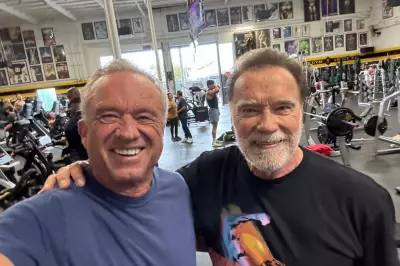
RFK Jr. and Schwarzenegger Workout Selfie Goes Viral
Robert F. Kennedy Jr. shared a gym selfie with Arnold Schwarzenegger at Gold's Gym in Venice Beach, following his earlier workout video with Kid Rock.



Politics

Tory Grandee Sir John Nott's Secret Son Revealed After His Death
Sir John Nott, Thatcher's defence secretary, fathered a secret son who came forward after his death. The family accepted the claim and made a settlement.



Sports
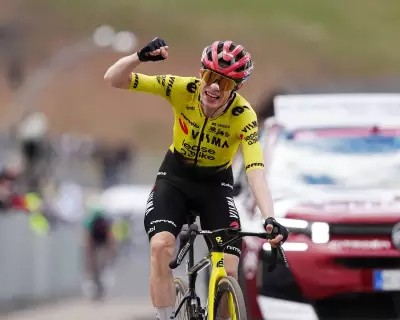
Jonas Vingegaard conquers Blockhaus summit to win Giro d'Italia stage
Jonas Vingegaard stormed to victory on the Blockhaus summit finish, taking the stage and the pink jersey in a dominant display at the Giro d'Italia.


Crime

Muntjac Deer Rescued from Escalator at Norwich M&S Store
A female muntjac deer, nicknamed 'Lucy', was rescued from an escalator at Marks & Spencer in Norwich with only a superficial cut. She is now recovering at Hillside Animal Sanctuary.

Business

Health

Weather
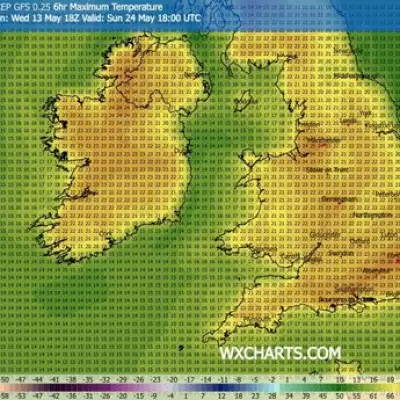
13 UK Cities to Hit 24C on Bank Holiday Weekend
Weather maps show 13 UK cities expected to reach 24C over the May bank holiday weekend, with some areas potentially hitting 25C, according to forecasters.
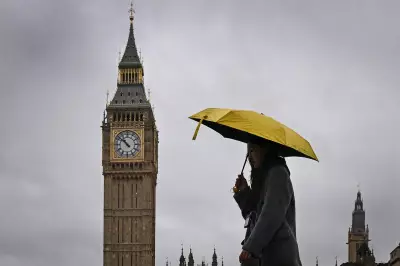
Showers Expected for London Protests and FA Cup Final
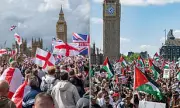
London faces showery bursts during protests and FA Cup final, while UK sees mixed weather with highs of 17C. Bank holiday may bring warmer conditions.
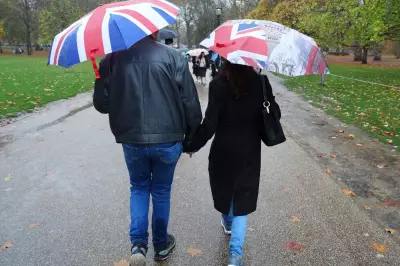
Sunshine and Showers as Thousands Head to London
UK weather forecast: sunshine and showers this weekend as thousands head to London for protests and FA Cup final. Temperatures reach mid-teens.
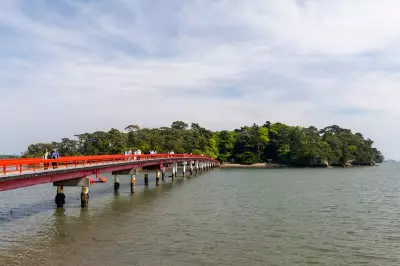
Japan Earthquake: Travel Safety Advice After 6.7 Quake
A 6.7 magnitude earthquake struck off Japan's Miyagi coast. The FCDO advises following local authorities. No tsunami warning issued.
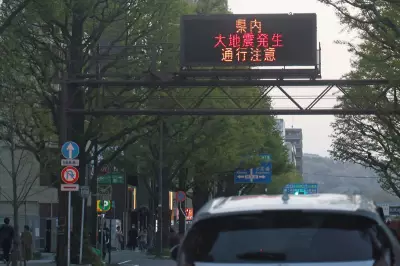
6.7-Magnitude Earthquake Hits Japan, No Tsunami Risk
A 6.7-magnitude earthquake struck off Japan's Miyagi region, prompting warnings in five prefectures. No tsunami risk was reported.
British Isles Geography: Thursday Challenge
Thursday means geography challenge time! Test your knowledge of the British Isles with questions about landscapes, cities, rivers, and famous landmarks.
