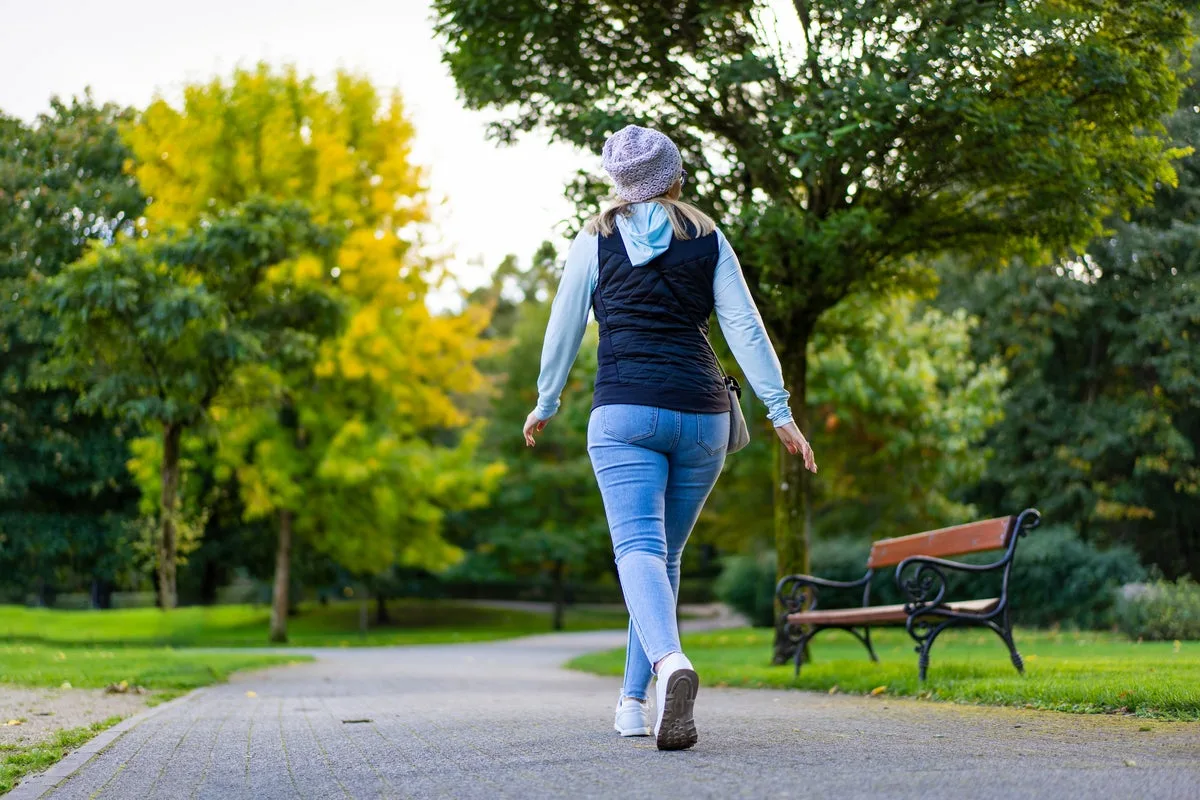
Forget the 'fart walk' — a new wellness trend is taking over: the phone sober stroll. The practice involves walking without a phone, leaving the device at home to focus on surroundings and disconnect from technology.
The trend gained traction after Women's Health reporter Serene Madani tried a week-long experiment walking outside for an hour without her phone. She reported feeling more present, productive, and less moody, and enjoying quieter mornings.
Walking has long been known to benefit mental health and overall wellness. The Mayo Clinic notes that daily walks can help prevent or manage heart disease, strengthen bones and muscles, and improve cognition, mood, and memory.
The phone sober walk is similar to the 'silent walking' trend from 2023, which encouraged walking without music or podcasts. Experts highlight the importance of leaving technology behind. Rael Cahn, a clinical associate professor at the University of Southern California, described silent walking as reminiscent of mindful walking meditation, noting it can be 'very powerful.'
Studies show that phone use before sleep and after waking can contribute to anxiety and depression. Leaving phones at home allows people to decompress and focus on their surroundings. While ditching technology may be uncomfortable at first, the benefits are worth it. 'The richness of experience and the aliveness of the senses is not boring at all when you can really be present,' Cahn said.