Tuchel Reveals Kane's Coffee Obsession
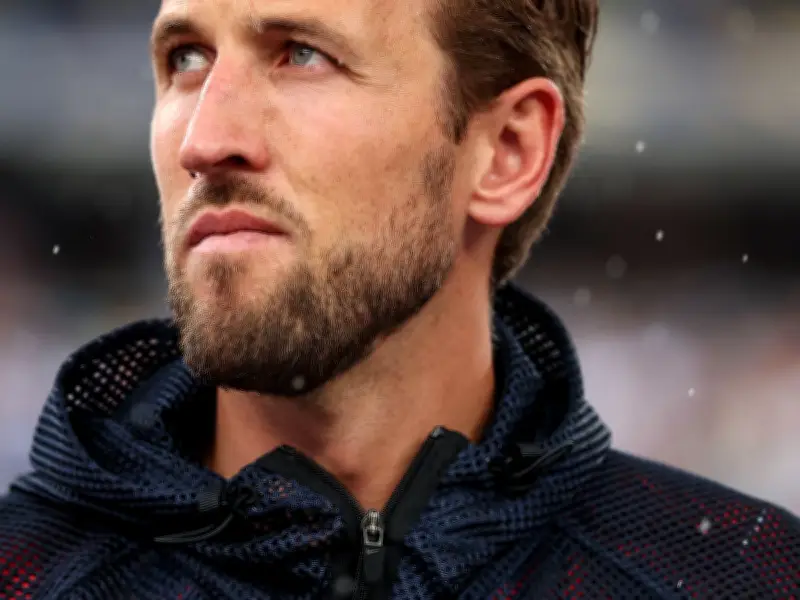
England captain Harry Kane is known for his prolific goal-scoring, but a less-expected habit has come to light: his consumption of cappuccinos. Former Bayern Munich manager and now England boss Thomas Tuchel revealed his surprise at the striker's coffee intake after Kane joined the German club.
When asked what surprised him about Kane, Tuchel said: 'How many cappuccinos he drinks a day! It’s ridiculous. Every time I go into the kitchen, he is there on the coffee machine. It must be so good. I have started doing it. He looks healthy and in good shape.'
Science Behind Caffeine as an Ergogenic Aid
Caffeine, the active compound in coffee, is classified as an ergogenic aid. According to Eisa Edelstein at TransparentLabs, 'Coffee is one of the most widely studied performance compounds across sports nutrition, and for most athletes, caffeine works.' About three-quarters of elite athletes use it intentionally before competition, making it a rare substance with consistent evidence for its effects.
Edelstein explained that caffeine 'removes the signal in the body that tells you that your energy is running low' by blocking adenosine. 'The pituitary gland senses the spike in neural activity and signals the adrenal glands to release adrenaline (epinephrine), resulting in a rise in heart rate and a shift into a higher-output state.' For athletes, this translates into better recruitment of fast-twitch muscle fibers and measurably higher power output.
Benefits for Endurance and Power Sports
Dr Neil Clarke, Principal Lecturer at Coventry University's School of Life Sciences, noted: 'There’s a wide variety of research to say that caffeine can improve endurance exercise such as running, cycling and rowing, as well as resistance exercise in the gym, and intermittent sports such as football and rugby.'
Speaking to Coffee and Health, Dr Clarke added: 'There is a lot of research to say that a moderate dose of caffeine, equivalent to around 3mg/kg body weight can improve a variety of sports such as endurance activities and high intensity sports. There is also evidence to show that caffeine can reduce muscle pain during exercise and reduce perceived exertion during exercise.'
Impact on Performance and Fat Metabolism
Caffeine also encourages the body to burn fat rather than deplete glycogen, which fuels muscles. This 'means you can sustain harder efforts for longer before performance drops off,' according to Edelstein. The International Society of Sports Nutrition confirms 'small to moderate benefits of caffeine use include, but are not limited to: muscular endurance, movement velocity and muscular strength, sprinting, jumping, and throwing performance, as well as a wide range of aerobic and anaerobic sport-specific actions.'
As Kane prepares for the World Cup final against Argentina, his cappuccino habit may provide a legal performance edge. The moderate dose of around 3mg/kg body weight—equivalent to about 240mg for an 80kg athlete—could enhance his output on the pitch.