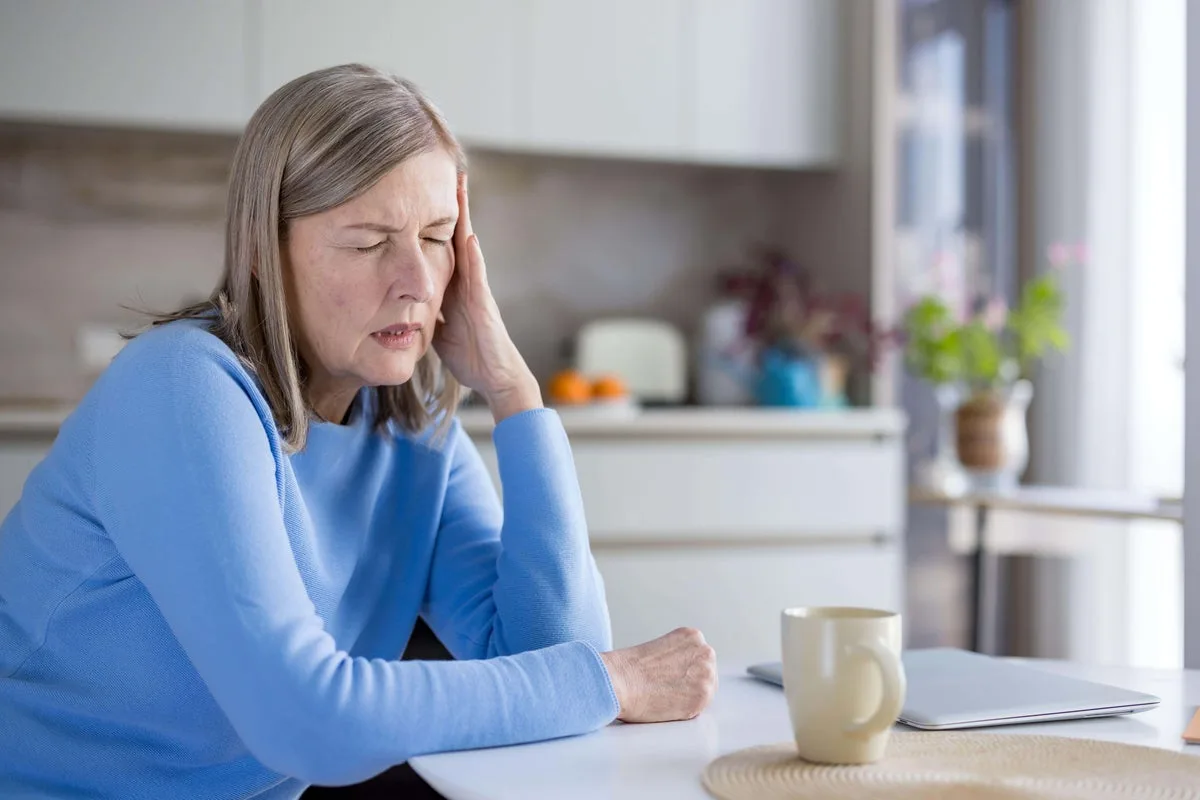
How Tiredness Manifests on Your Skin and Strategies to Counteract It
The reasons why fatigue becomes visible on your face might be unexpected, but the effects are unmistakable. We often discuss tiredness as a mere sensation, yet it equally presents itself as a visual concern, particularly impacting our skin's appearance.
Long before exhaustion is detectable in medical tests or affects work performance, it announces its presence on the face. Common signs include dark circles under the eyes, a lacklustre complexion, and a newfound heaviness around the mouth area.
The Science Behind Tired Skin
According to regenerative aesthetics specialist Dr Hansel Misquitta, fatigue does not create new skin issues; instead, it accelerates the pre-existing conditions your face is prone to display. The eyes are particularly revealing, with dark circles, puffiness, fine lines, and a slightly hollowed look emerging early due to the thin skin, fewer sebaceous glands, and dense vascular network in that region.
Dr Misquitta explains that any alterations in fluid balance or circulation become quickly apparent. The mouth corners and nasolabial folds often follow suit, with gravity, repetitive movements, and weaker structural support contributing to the overall tired appearance.
Biological Processes Underneath the Surface
Despite the dramatic look of tired skin, the underlying biology is relatively straightforward. When sleep is disrupted or stress persists, the body enters a state of diminished repair. Cortisol levels rise, disrupting epidermal barrier recovery and increasing low-grade inflammation.
Growth hormone secretion decreases, slowing collagen repair, while reduced cutaneous blood flow means less oxygen and nutrients reach the skin. Additionally, lymphatic clearance becomes less efficient, allowing fluid and metabolic by-products to linger longer.
London-based dermatologist Dr Munir Somji, founder of DrMediSpa, notes that sleep disruption directly interferes with the skin's circadian rhythm. Skin function shifts from daytime protection to night-time repair, and when sleep is reduced, cell renewal is impaired. Circulation and lymphatic drainage slow, hindering the efficient delivery of oxygen and nutrients.
The result is not sudden ageing but rather a pause in maintenance, with the skin functioning suboptimally.
Why Tired Skin Appears Dull Despite Skincare Routines
One of the most frustrating aspects of fatigue-related skin changes is their persistence even with consistent skincare. Dr Misquitta emphasises that skincare cannot override basic physiology. Reduced microcirculation affects how light reflects off the skin, and slower cell turnover leads to an accumulation of dead keratinocytes on the surface.
Barrier disruption increases water loss, flattening texture and tone. Dr Somji adds that dehydration and inflammation can exaggerate uneven skin tone, meaning products are working under changed conditions rather than failing.
Targeted Treatments for Maximum Impact
Not all facial areas respond equally to fatigue. Both experts agree that the under-eyes, mid-face, and jawline show the most visible improvement with proper treatment. The under-eyes respond well to small enhancements in tissue quality or fluid balance, while the jawline and lower face often hold tension and lymphatic congestion, exaggerating heaviness.
Dr Misquitta compares the face to architecture, noting that even a robust structure will not look good if the surface is deteriorating.
Quick Fixes for a Less Tired Appearance
When time is limited, such as before an event or after poor sleep, simple steps are more effective than intensive treatments. Using cool water instead of hot can revive the skin by reducing swelling through blood vessel constriction. Even basic chilled tools, like spoons from the fridge, can help.
Barrier support is crucial, with humectants followed by an occlusive layer improving surface optics better than piling on active ingredients. Gentle exfoliation, if tolerated, can enhance light reflection by removing built-up surface cells. Dr Misquitta prefers mild at-home peels over scrubs, which can cause micro-tears.
She cautions against relying on single sheet masks, describing them as cosmetic camouflage rather than genuine repair.
Long-Term Habits for Sustained Improvement
While topical products and treatments offer support, both doctors stress that tired skin is fundamentally a lifestyle issue. Consistency in sleep timing is more important than chasing perfect hours, and adequate protein intake supports tissue repair. Addressing common deficiencies like iron, B12, or vitamin D can make a measurable difference.
Dr Somji warns that excessive alcohol and high caffeine intake worsen dehydration and vascular instability, amplifying fatigue appearance. Hydration is best achieved through water-rich foods rather than forcing excessive water intake. Daily SPF application is non-negotiable to protect against environmental damage, as UV exposure intensifies fatigue-related changes.
Dr Misquitta concludes that skincare supports the system but does not replace it, dismissing any claims to the contrary as misleading shortcuts.