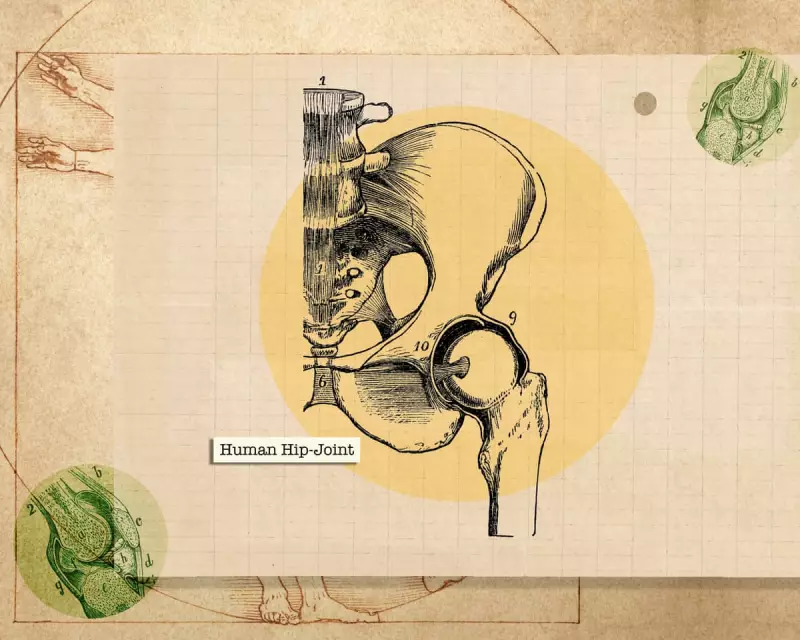
When Elvis Presley famously gyrated his hips on stage, he wasn't just creating a cultural moment; he was showcasing an impressive range of motion that physiotherapists would applaud. This pivotal joint, however, often goes neglected until pain or restriction strikes, highlighting the critical need for proactive care throughout life.
Building a Strong Foundation: Targeted Exercises
According to Dr Michael O'Brien, a physiotherapist from La Trobe University in Melbourne, the hip's ball-and-socket design grants it great mobility. Keeping the surrounding muscles strong is vital for support and can reduce the risk of pain and osteoarthritis. This doesn't necessarily mean intense gym sessions; reformer Pilates, simple home exercises, or weight-bearing movements can all be effective.
Dr Jillian Eyles, a physiotherapist from the University of Sydney, emphasises the importance of working the often-overlooked gluteal and core stabilising muscles. "The tiny, boring glute exercises actually really hurt and they're really boring … [but] they're the ones that are really helpful," she notes. Recommended moves include:

- Squats and lunges to build overall strength.
- The "gluteal bridge" – lying on your back with feet planted and lifting the pelvis.
- Exercises that move the joint in multiple planes, not just forwards and backwards, such as rotating the pelvis while standing on one foot.
For core work, Eyles also suggests reformer Pilates or yoga to enhance stability around the joint.
Rethinking Activity: Steps, Pain, and Movement
The often-cited goal of 10,000 daily steps can be daunting and is not evidence-based, says Professor Rana Hinman, a research physiotherapist at the University of Melbourne. "For someone with joint pain, or someone who's older, that's just an unachievable goal," she explains. The good news is that significant health benefits are seen at far lower levels.
Research indicates that aiming for around 7,000 steps a day can yield major benefits, including reduced mortality and cardiovascular risk. Hinman adds that every extra 1,000 steps contributes positively, helping to prevent functional decline linked to conditions like osteoarthritis.
Critically, she stresses that having hip pain or osteoarthritis should not be a barrier to activity. "Generally there's no evidence that physical activity is going to make your X-rays worse … or push you to needing joint replacement surgery quicker," Hinman states. The focus should be on enjoyable, comfortable movement that the joint allows.
The Critical Role of Falls Prevention
Maintaining hip health is not just about exercise; preventing falls is a crucial component, especially for older adults. The statistics are stark: more than 16,000 Australians over 45 fracture a hip each year, with 90% requiring surgery. Alarmingly, about a quarter of those who suffer a first hip fracture die within twelve months.
Dr O'Brien points out that as balance and vision change with age, simple daily tasks can become hazardous. "A lot of people when they're putting their underwear on or shoes or socks, will try and stand on one leg … Often that's something that we stop doing as we get older, and we sit down because it's a little bit safer," he says.
Specialist falls prevention clinics, available in many hospitals, offer education, physiotherapy, and tailored exercise programs designed to significantly lower the risk of falls and subsequent injury.
Ultimately, hip health is foundational to overall wellbeing and independence in later life. By incorporating targeted strengthening, consistent, manageable movement, and proactive falls prevention, we can all work towards supporting these vital joints for the long term.