The Cortisol Cocktail: A Closer Look at the Viral Wellness Trend
Have you encountered the term "cortisol cocktail" circulating on social media platforms? Rather than an alcoholic beverage, this refers to one of the latest wellness trends gaining traction online. Proponents suggest that this simple drink, typically composed of orange juice, coconut water, and salt, can effectively lower elevated cortisol levels and address so-called "adrenal fatigue." The promised benefits range from diminished stress to enhanced energy levels. But what does the scientific evidence actually reveal about these claims?
Understanding Cortisol: The Misunderstood Hormone
Cortisol is frequently depicted negatively as "the stress hormone," yet it is absolutely vital for human survival. Produced by the adrenal glands, cortisol is regulated by the brain in response to various stressors, both physical and psychological. It plays crucial roles in increasing blood glucose for energy, regulating metabolism, and reducing inflammation. Our bodies maintain a natural cortisol rhythm, with levels peaking in the morning to aid waking and energy release, and dipping to their lowest overnight to facilitate sleep.
A common misconception surrounds high versus low cortisol. Symptoms often attributed to high cortisol, such as weight gain and fatigue, are frequently associated with low cortisol levels. Conditions like chronic fatigue syndrome typically involve reduced cortisol. Furthermore, while chronic stress can initially elevate cortisol, prolonged stress may eventually lead to lower production. The concept of "adrenal fatigue," often cited by cocktail advocates, is not a medically recognised diagnosis but generally implies reduced cortisol output. This creates a logical inconsistency in claiming a single drink could address both high cortisol and the low cortisol associated with adrenal issues.

Deconstructing the Cortisol Cocktail Recipe
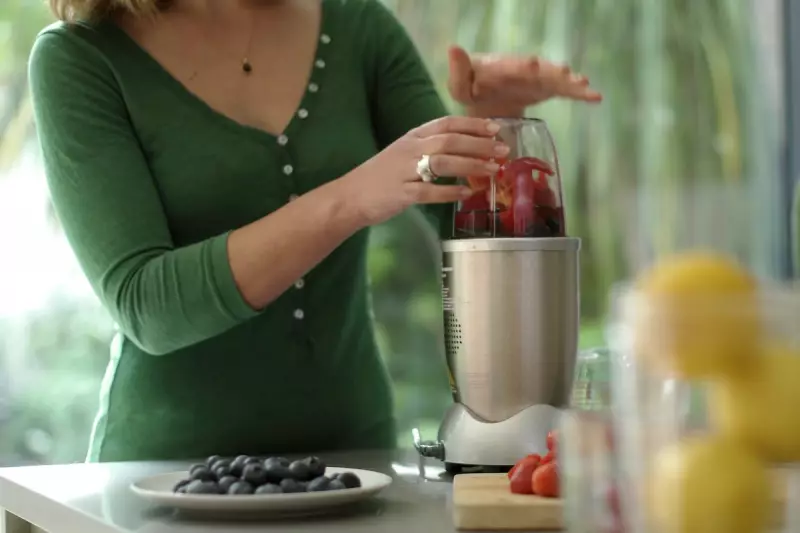
Recipes vary slightly, but a standard cortisol cocktail includes approximately half a cup each of orange juice and coconut water, around a quarter teaspoon of salt, and sometimes additional potassium or magnesium powders. The purported health benefits are linked to specific nutrients: vitamin C from the orange juice (linked to adrenal function), potassium from the coconut water (essential for cell function), and added magnesium (vital for energy production, often depleted during chronic stress).
However, the inclusion of sodium via salt is particularly problematic. Contrary to some claims, high salt intake is actually associated with increased cortisol levels in both animal and human studies and is linked to numerous chronic health conditions. While potassium may help mitigate some effects of chronic stress like high blood pressure, it does not directly influence cortisol production.
Potential Risks and Nutritional Concerns
Beyond its questionable efficacy, the cortisol cocktail presents several health risks due to its composition. A single serving contains roughly 16 grams of sugar (approximately one-third of the recommended daily limit), making it unsuitable for individuals with diabetes. The quarter-teaspoon of salt constitutes a quarter of the daily sodium limit, which is concerning given excessive salt intake is already widespread. The high potassium content also poses risks for people with heart disease, diabetes, or kidney disease.
While the drink provides some essential vitamins and minerals, it is unlikely to meaningfully alter cortisol levels. The significant sugar and salt content arguably outweighs any potential minor nutritional benefits.
Evidence-Based Strategies for Healthy Cortisol Levels
So, if the cocktail isn't the answer, what truly helps maintain healthy cortisol? The most effective approach is stress reduction. A large meta-analysis identified mindfulness, meditation, and relaxation techniques as the most successful methods for lowering elevated cortisol. Incorporating daily activities from these five categories can be beneficial:

- Exercise: Physical activity to relieve tension.
- Cognitive and Creative Activities: Puzzles, reading, or arts.
- Socialising: Positive interactions with friends or family.
- Self-Soothing Practices: Breathing exercises and meditation.
- Short Resets: Taking brief moments to stretch, breathe slowly, or have a quick chat.
Instead of consuming the high-sugar, high-salt cortisol cocktail, a far healthier alternative is to eat a whole orange alongside a handful of nuts or seeds. This provides the nutritional benefits of vitamin C and magnesium without the detrimental excess sugar and sodium. Ultimately, managing stress through proven lifestyle interventions remains the most reliable path to balanced cortisol and overall wellbeing.