Breaking the Doomscrolling Cycle: A 50-Day Experiment That Reset One Woman's Brain
In an era where social media consumption has become almost reflexive, one woman's decision to step away from her phone for nearly two months has yielded profound neurological and psychological insights. Iona Burciaga, a content creator from the United States, embarked on a self-imposed social media detox that extended to 50 days, during which she abstained from the endless scrolling that once dominated up to eight hours of her daily life.
The Phenomenon of Doomscrolling and Its Mental Toll
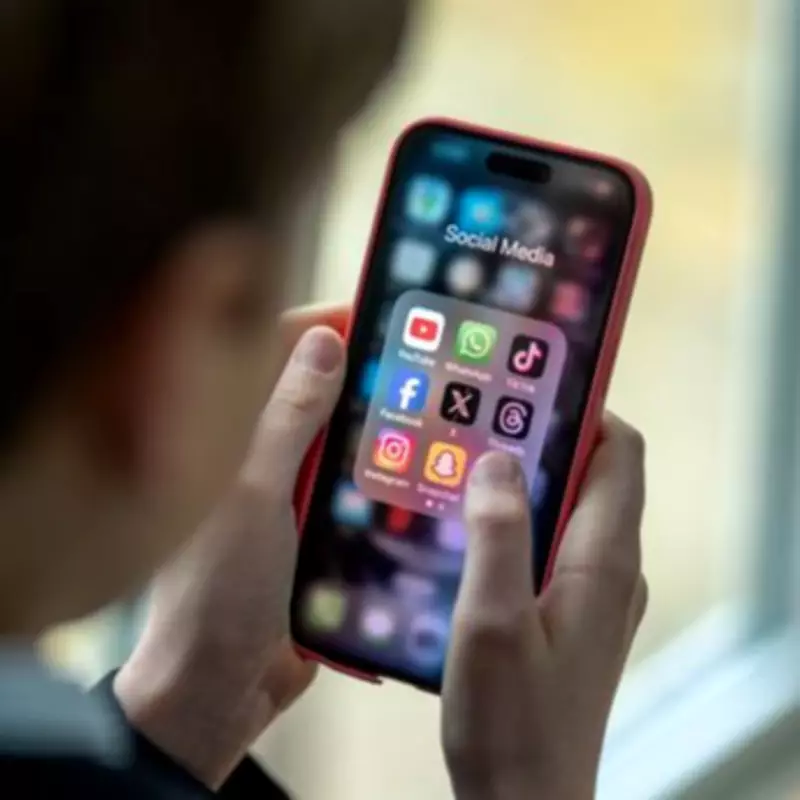
Doomscrolling, the compulsive consumption of negative news and distressing content through social media feeds, has emerged as a significant modern mental health concern. These platforms, while capable of fostering community and connection, equally possess the power to fragment attention and exacerbate anxiety. The accessibility of apps like TikTok and Instagram often leads users into prolonged sessions of passive consumption, frequently without conscious recognition of the cumulative impact on wellbeing.
Iona's initial goal was a 35-day hiatus from social media consumption, though she continued posting her own content. What began as an experiment in November last year ultimately stretched to 50 days, revealing unexpected transformations in cognitive function and personal identity.

"I Have My Brain Back": The Cognitive Reawakening
In a video shared after Christmas, Iona articulated the most striking outcome of her digital detox. "I just have my brain back. That's all it is. I have my brain back. I have ideas back," she explained. This restoration of mental clarity coincided with what she described as regulated dopamine levels. Previously, her phone provided constant dopamine hits through habitual scrolling; post-detox, she reported feeling "completely regulated and calm."
The implications extend beyond mere concentration. Iona disclosed to Newsweek that her fashion sense underwent a parallel transformation. Freed from the incessant bombardment of online trends and influencer styles, she cultivated an authentic personal aesthetic. "Stepping away made me realise I was always there, and that allowed me to hone in on my authenticity," she reflected, highlighting how digital consumption had subtly dictated her choices.
Public Reaction and the Wider Digital Dilemma
Iona's video, amassing over 1.6 million views and 177,200 likes, resonated deeply with viewers confronting their own social media dependencies. Comments revealed widespread recognition of addictive scrolling patterns, with individuals expressing both difficulty imagining alternative time use and determination to emulate her experiment.
- One commenter asked about the initial challenge, noting, "It's really sad, but I don't know what I'd do with my time if I'm not scrolling."
- Another admitted, "I actually still pick up my phone 200 times a day and check nothing, I don't know how to stop!"
- A third declared the video their "sign to stop! Putting my phone down and breaking this habit!"
This collective response underscores a broader societal struggle with screen time management. Iona interprets the viral success of her clip as evidence that many are seeking strategies to reclaim autonomy from digital platforms. She advocates proactive discipline, stating, "The best thing to do is learn to control your impulses and have self-control now and build discipline so you can live more freely. Create more and consume less."
The Enduring Challenge of Digital Moderation
While social media is firmly entrenched in contemporary life, Iona's experience demonstrates that temporary disengagement can catalyse significant cognitive and creative renewal. Her journey from spending hours on "meaningless" videos to experiencing regulated dopamine and authentic self-expression offers a compelling case study in the benefits of intentional digital consumption.

The experiment illuminates the subtle ways constant connectivity can erode individual thought and preference, while simultaneously proving that the brain retains remarkable plasticity to recover its innate capacities when given respite. As discussions around digital wellness intensify, such personal testimonies provide valuable insights into the tangible benefits of periodically unplugging from the endless scroll.