

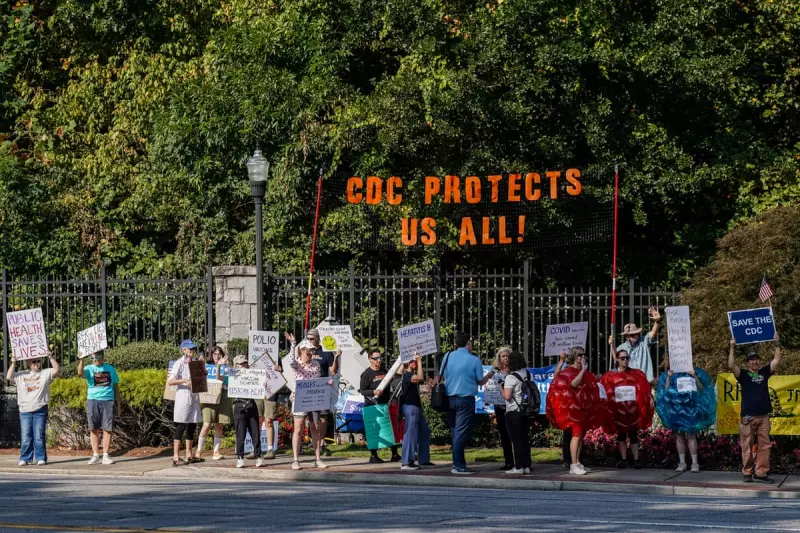
A radical overhaul of America's childhood vaccination programme could be set in motion this week, with a key advisory panel poised to vote on scrapping the hepatitis B vaccine for newborn babies. The potential reversal of a decades-long public health policy is being driven by a committee appointed by the controversial US Health Secretary, Robert F Kennedy Jr.
A Vote with Far-Reaching Consequences
The two-day meeting of the federal Advisory Committee on Immunization Practices (ACIP), which concludes on Friday 19 September 2025, is expected to hold a pivotal vote. The panel, chaired by Dr Kirk Milhoan, will decide whether to recommend axing the long-standing requirement for infants to receive a hepatitis B shot within 24 hours of birth.
Speaking to the Washington Post, Milhoan confirmed the vote and revealed the committee is also investigating a broader, contentious hypothesis. Members are examining whether the mandated schedule of childhood jabs has contributed to a rise in allergies and autoimmune disorders like asthma and eczema. Milhoan stated the panel is trying to "figure out if there are factors within vaccines" that could be responsible.

An Agenda Driven by Vaccine Skepticism
The committee's direction aligns closely with the views of Health Secretary Kennedy, who appointed its members. Kennedy and many on the panel share a deep-seated distrust of established vaccination science. Last month, under Kennedy's instruction, the Centers for Disease Control and Prevention (CDC) altered its website to retract its longstanding position, backed by extensive research, that vaccines do not cause autism.
The September meeting of the ACIP was notably fractious, with one member caught on a live microphone calling another adviser "an idiot." Despite the tensions, the panel enacted several changes, including advising consultations with a doctor before Covid-19 vaccination and delaying the schedule for the combined MMRV (measles, mumps, rubella, chickenpox) shot.
Regarding hepatitis B, Milhoan told the Post the panel is considering delaying the first dose by an interval that is "still being finalized," having postponed a vote in September due to internal disagreements.
Public Health Warnings and Scientific Backlash
Medical professionals and public health experts have reacted with alarm to the potential policy shift. The infant hepatitis B vaccine, first recommended for all newborns by the CDC and American Academy of Pediatrics in 1991, has a proven track record. A 2023 study in the US Surgeon General's official journal found a 99% decline in acute hepatitis B cases among children and young adults between 1990 and 2019, directly attributed to infant immunisation.
Kennedy's broader efforts to remake US vaccine policy have met a wall of criticism. At a Senate hearing in September, he was accused of "reckless disregard for science" by Democrats. Tragic real-world consequences of vaccine hesitancy were highlighted this year, with three unvaccinated infants in Kentucky dying from whooping cough and at least two unvaccinated children in Texas succumbing to measles.
William Matthew London, editor of the Quackwatch website, stated: "The Centers for Disease Control and Prevention... is no longer a trustworthy source of health information." He pointedly quoted Kennedy's own testimony from May: "I don't think people should be taking advice, medical advice, from me."
The committee's recommendations will go to the CDC's acting director, Jim O'Neill, for a final decision. The outcome of this week's vote could mark a profound and controversial departure from established global public health practice.






