New research from the Netherlands has identified a small, temporary increase in the risk of developing shingles in the weeks following a Covid-19 booster vaccination. The study, published in the journal Drug Safety on December 11, analysed health records of over two million people aged 12 and older.
A Small but Notable Increase in Risk
The comprehensive analysis found that the overall risk of shingles appearing within 28 days of any Covid vaccine dose increased by seven percent. However, the risk was more pronounced following a third, or booster, dose of an mRNA vaccine (like Pfizer/BioNTech or Moderna), where it rose by 21 percent.
Researchers from the University of Groningen noted that the heightened risk appears to be temporary and limited to specific subgroups. They emphasised that most cases were managed in general practice and did not lead to hospitalisation.

Understanding the Potential Link
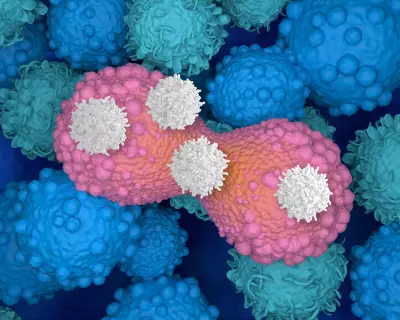
The study authors proposed a biological mechanism for the observed link. They suggested that vaccination can lead to a temporary depletion of lymphocytes, important immune cells. This short-term dip in immune surveillance might allow the dormant varicella-zoster virus – which causes chickenpox in childhood and later shingles – to reactivate.
"Repeated vaccine doses, especially a third booster, might also make T-cells less active for a short time," the researchers noted. T-cells are crucial for controlling latent viruses like varicella-zoster. The team was careful to state that their findings show an association, not proof of causation.
Variations by Vaccine Type and Demographics
The research delved deeper by separating vaccines by technology. While mRNA vaccines showed the post-booster risk, a different pattern emerged for vector-based vaccines (like AstraZeneca). Among men of all ages, receiving a vector-based vaccine was associated with a 38 percent higher risk of shingles.
The study's participant pool had a median age of 51, and the most common pre-existing conditions were cardiovascular disease (25.7%) and chronic lung disease (16.3%). Pfizer/BioNTech was the most administered vaccine, constituting 69.2% of all doses analysed.
Broader Context: Shingles and Long-Term Health
The findings arrive amid separate, concerning research on shingles' long-term impacts. A study published in April, which followed adults for over two decades, found that adults aged 50 and over hospitalised with shingles were seven times more likely to develop dementia.
Particularly, the greatest dementia risk was observed in those aged 50 to 65 – younger than the typical onset age for dementia patients. This underscores the importance of understanding all factors influencing shingles reactivation.
The new Dutch study also referenced conflicting data, noting that while Hong Kong reported a spike in shingles hospitalisations post-vaccination, a US study using claims data found no increased risk compared to flu shots. The researchers concluded that the absolute risk increase remains small, and the benefits of Covid-19 vaccination continue to outweigh the risks for the vast majority of the population.