

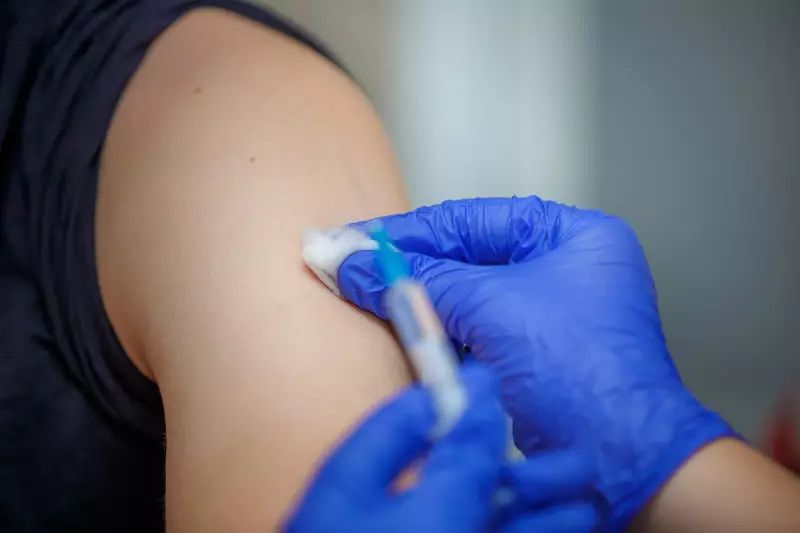
The UK's flu season has commenced earlier than usual this year, with experts warning it could be particularly severe. Whether you have already received your vaccination or are still considering it, numerous questions often arise about the jab's timing, effectiveness, and suitability.
Who Qualifies and When to Get Vaccinated
In the UK, the free flu vaccine is prioritised for those at highest risk of severe illness. This includes individuals aged 65 and over, people with weakened immune systems, frontline health and social care workers, and those likely to transmit the virus to vulnerable contacts. Anyone not in these groups can opt to pay for the vaccine at participating pharmacies.
For optimal protection, timing is crucial. The vaccine requires about two weeks to reach peak effectiveness as the immune system builds protective antibodies. Protection typically lasts for around three months. Therefore, the ideal window for vaccination is October or November, ensuring coverage through the peak winter months without protection fading too early.

Addressing Common Concerns and Side Effects
Several myths surround the flu jab. A key point is that none of the available vaccines contain a live virus that can cause infection. Instead, they act like a 'wanted poster,' training your immune system to recognise the threat.
It is normal to experience mild side effects like a sore arm or feeling shivery for less than 24 hours. Some wonder if a vaccine for a more aggressive strain causes worse reactions, but the vaccine's weakened 'picture' of the virus means this is not the case. Furthermore, receiving COVID-19 and flu vaccines simultaneously is safe and effective, with no increased risk of significant side effects.
The only reason to avoid the vaccine is a life-threatening allergy to its ingredients. Those with an egg allergy should inform their vaccinator, as alternative egg-free options are available.
Special Considerations and Broader Protection
For older adults or those with weakened immune systems, the immune response may be less robust. Consequently, older adults are offered a stronger dose to enhance protection. While immunosuppression varies, most people still derive significant benefit from vaccination.
Even if you have already had the flu this season, vaccination remains advisable. The annual jab is trivalent, protecting against three different circulating strains, so it can guard against others you haven't encountered.
Scientists predict each year's strains through a global WHO-coordinated effort, using data from the southern hemisphere's winter. While not always a perfect match, the vaccine significantly reduces the risk of severe illness and transmission to vulnerable individuals, making it a vital public health tool.
Ultimately, getting vaccinated protects not just you but also those around you. If you feel unwell with a fever, delay your jab until recovered, but otherwise, securing your vaccination this autumn is a proactive step for community health.






