American health authorities are making an urgent plea for citizens to receive their seasonal flu jabs, following a devastatingly severe previous season that resulted in a record number of child fatalities. The call to action comes as a new and concerning mutation of the influenza virus begins to circulate in the United States.
A Season of Tragic Loss
The US Centres for Disease Control and Prevention (CDC) confirmed 288 paediatric deaths from influenza during the last season, marking the deadliest toll from a seasonal flu epidemic on record outside of a pandemic. The first known child death of the current season was reported in the week ending 22 November.
CDC Chief Medical Officer Dr Timothy Uyeki described the previous period as "a high severity season and one of the highest we have experienced in the US." The impact was vast, with an estimated 610,000 to 1.3 million hospitalisations nationwide. Alarmingly, the majority of the tragic child deaths were deemed preventable through vaccination.

The Threat of a New Variant
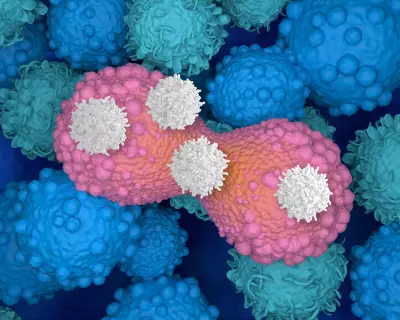
Compounding concerns for this winter is the identification of a new influenza variant, known as H3N2 virus subclade K. This strain mutated from the version of H3N2 included in this season's vaccine, raising initial fears about the jab's effectiveness.
"It's hard to say what will happen throughout the season, and that's why we need surveillance to really track this," Dr Uyeki stated during a clinician briefing. Dr Lisa Grohskopf, another medical officer in the CDC's influenza division, noted it is still too early to calculate the vaccine's effectiveness against this specific subclade, as the US flu season is only just beginning.
However, early data from the United Kingdom, which experienced an earlier start to its flu season, is encouraging. It suggests vaccine effectiveness is approximately 70 to 75% for children and 30 to 40% for adults, which is consistent with prior years.
Vaccination: A Critical Defence
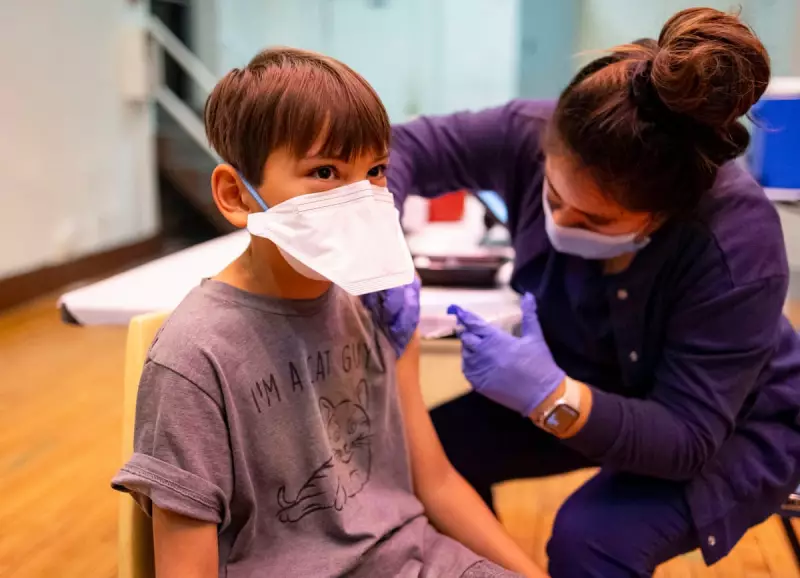
The CDC emphasises that vaccination remains the most powerful tool to prevent severe complications. Last season's vaccine was 63% to 78% effective at preventing hospitalisation among children. The flu shot is recommended for everyone aged six months and older, with particular importance for high-risk groups including children, pregnant individuals, the elderly, and those who are immunocompromised.
To combat vaccine hesitancy, providers are increasingly recommending FluMist, a nasal spray alternative to an injection. In a significant policy shift, the US Food and Drug Administration (FDA) also changed rules in September 2024 to allow the nasal spray to be administered at home by a caregiver or the patient themselves.
Officials also stressed the importance of antiviral medications, which are a safe and effective treatment, especially when started promptly. Prescription rates, however, have dropped worryingly in recent years.
The stark statistics from last season underline the critical need for action. Among children who developed a severe neurological complication called encephalopathy, 55% had no underlying health conditions—their primary risk factor was being unvaccinated. Tragically, nearly one in five of these children died.
"The majority of these are preventable, and this is really, really tragic," said Dr Uyeki. "This clearly highlights the fact that we need to do a much better job of preventing influenza and preventing influenza-associated death in children."