
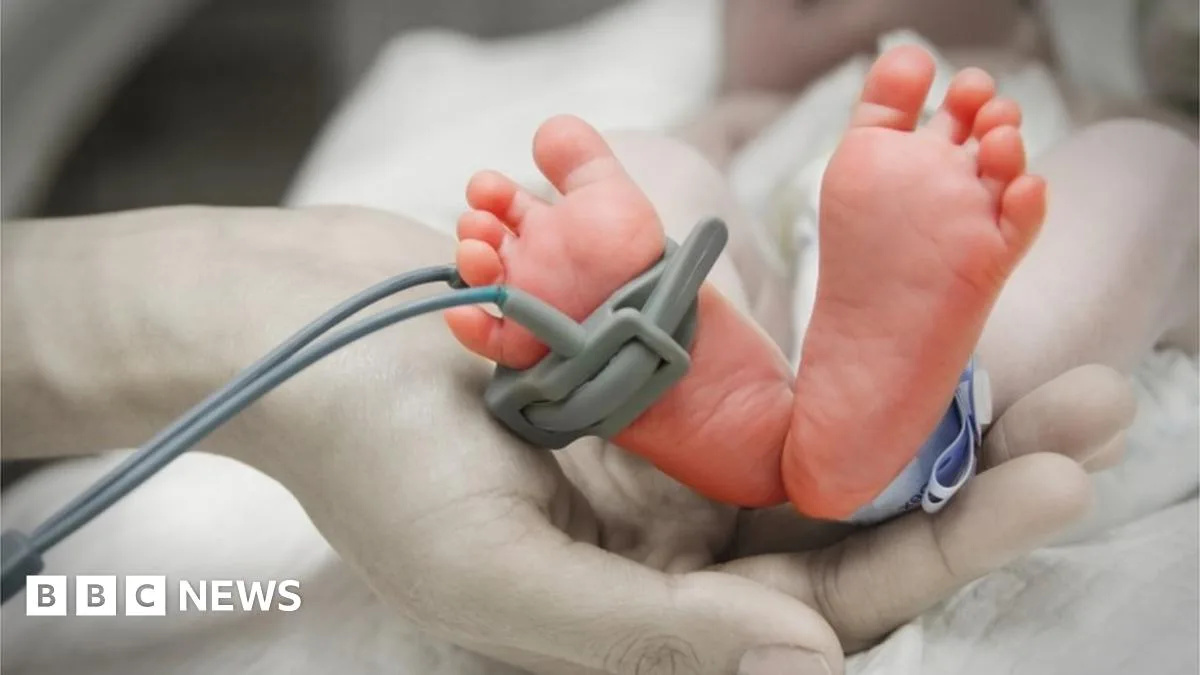
The British Association of Perinatal Medicine (BAPM) has updated its guidance, stating that it is now possible to save the lives of babies born at 22 weeks, a shift from the previous recommendation that only those born at 23 weeks or later should receive life-saving treatment.
While survival rates remain low, with most dying, about a third may survive where treatment is possible. Prof Dominic Wilkinson, a consultant neonatologist who helped draft the guidance, said advances in treatment had convinced BAPM to update its recommendations, calling it "fantastic news" that some babies born at such an early stage are now surviving. However, he cautioned that the very high risks mean intensive medical treatment is not always appropriate.
The guidance emphasises that decisions should be made on a case-by-case basis, involving specialists and parents. For many, intensive treatment would not be suitable. Survival for babies born before 22 weeks is not considered possible due to underdeveloped lungs.
Data from 2016 showed 486 births at 22 weeks; in over 300 cases, the babies did not survive labour. Of those that did, 140 were not in a condition where attempting to save them was deemed possible and received palliative care. Where treatment was attempted, just over a third survived.
Ruben and Jenson Powell, born in August last year at 22 weeks and six days, became the youngest surviving pre-term twin boys in Britain. Their mother, Jennie Powell, described their survival as "a story of hope and miracles," noting they defied every set of odds. The twins required extensive medical interventions, including blood transfusions, eye injections, and laser surgery.
Prof Andrew Whitelaw, an expert in neonatal medicine at Bristol University, said the guidance was "very useful" but stressed the importance of considering the baby's condition at birth and differing views on what constitutes unacceptable disability, rather than focusing solely on the number of weeks.




