Surgeons Permanently Banned Following Fatal Penis Enlargement Procedure on Billionaire
Two plastic surgeons have been permanently prohibited from practicing medicine after a billionaire patient died during a penis enlargement operation at a prestigious Parisian clinic. The shocking incident has sent ripples through the world of high-end cosmetic surgery, raising serious questions about medical standards and regulatory oversight in private clinics catering to wealthy clients.
Tragic Death During Cosmetic Procedure
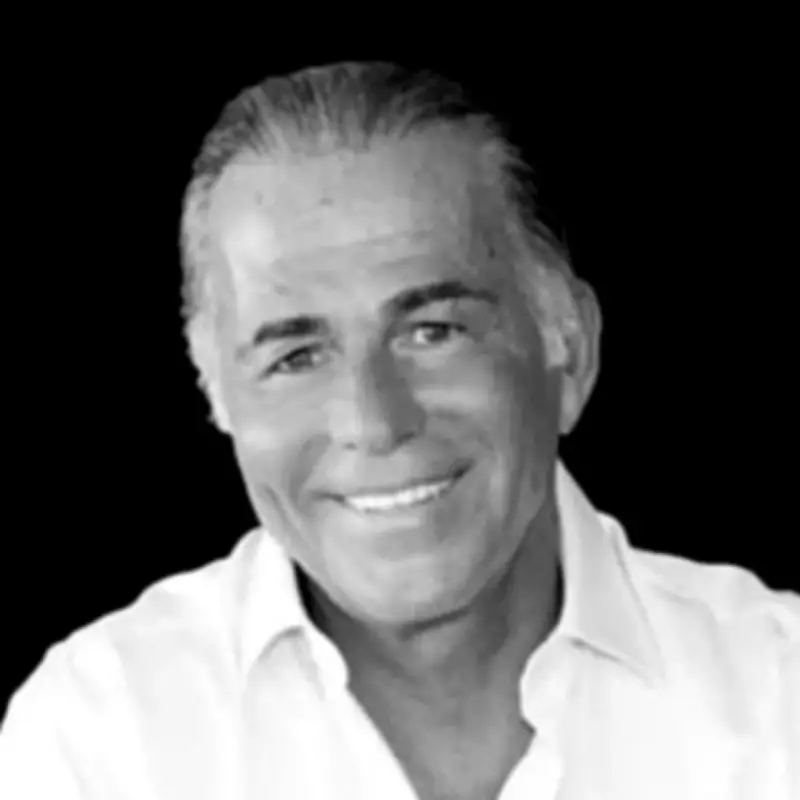
Belgian-Israeli diamond dealer Ehud Arye Laniado, aged 65, suffered a fatal heart attack while undergoing injections to enlarge his penis at the Saint-Honore-Ponthieu aesthetic clinic in Paris. The wealthy owner of Omega Diamonds was a regular patient of star surgeon known as Guy H, who treated him two to four times annually in procedures costing tens of thousands of euros each.
According to court documents, Laniado typically received treatment outside normal office hours at the clinic, which has built a reputation for serving affluent clients willing to pay premium prices for cosmetic enhancements. The billionaire had been receiving regular injections into his penis to increase its apparent size when tragedy struck during one such session.

Legal Consequences and Suspended Sentences
A Paris court delivered its verdict on Wednesday, suspending Guy H's medical licence and sentencing him to 15 months imprisonment. The surgeon who was substituting for Guy H on the evening of Laniado's death received a 12-month suspended sentence. Both medical professionals have been permanently banned from practicing medicine and face substantial financial penalties.
The court ordered Guy H to pay €50,000 (approximately £43,323) while his colleague must pay €20,000 (around £17,329), as reported by French newspaper Le Parisien. These penalties reflect the seriousness with which authorities have treated the case, which initially investigated potential manslaughter charges before focusing on specific medical violations.
Investigation Reveals Troubling Timeline
Investigators examining Laniado's death quickly determined that the penis injection itself did not directly cause the fatal heart attack. However, questions emerged about the medical response when it became apparent that the surgeon made an initial call for assistance at 8pm, followed by a second call to the fire department emergency services two hours later.
A source familiar with the investigation explained the concerning delay: "When investigators looked into the cause of death, the injection into the penis was quickly ruled out. The question remained why the surgeon had made an initial call for help at 8pm, before a second call, this time to the fire department, two hours later."
Defence Arguments and Medical Context
The defence team argued that the first call resulted from Laniado displaying irritable behaviour and insisting on proceeding with the injections despite complaining of abdominal pain. Martin Reynaud, the surgeon's lawyer, suggested the cardiac incident could have occurred in any setting, stating: "This cardiac incident could have happened anywhere, even in a pizzeria. Would the pizza maker have been prosecuted in that case?"
Medical experts noted that Laniado's existing ulcer condition made it difficult to immediately identify cardiac symptoms. The investigation source added: "It's easy to say in hindsight that the heart attack started there, but since the patient had an ulcer, it was impossible to consider a heart problem, and emergency services wouldn't have been called out for such a minor issue."
Industry Reactions and Systemic Concerns
While the surgeon attempted cardiopulmonary resuscitation (CPR), these efforts proved insufficient to save Laniado's life. The case has exposed what some industry insiders describe as systemic problems within elite cosmetic surgery circles.
An unnamed Parisian medical practitioner commented on the broader implications: "This will still cause a stir in a clinic that relies on its name, its techniques, and where the entire family works. But this affair will surprise no one; in these upper echelons of cosmetic surgery, they often bend the rules."

The charges ultimately brought against the surgeons included failing to assist a person in danger, drug offences, and practicing medicine without proper authorisation. This tragic case highlights the potential risks associated with cosmetic procedures performed outside standard medical protocols, even in clinics serving the wealthiest clientele.